
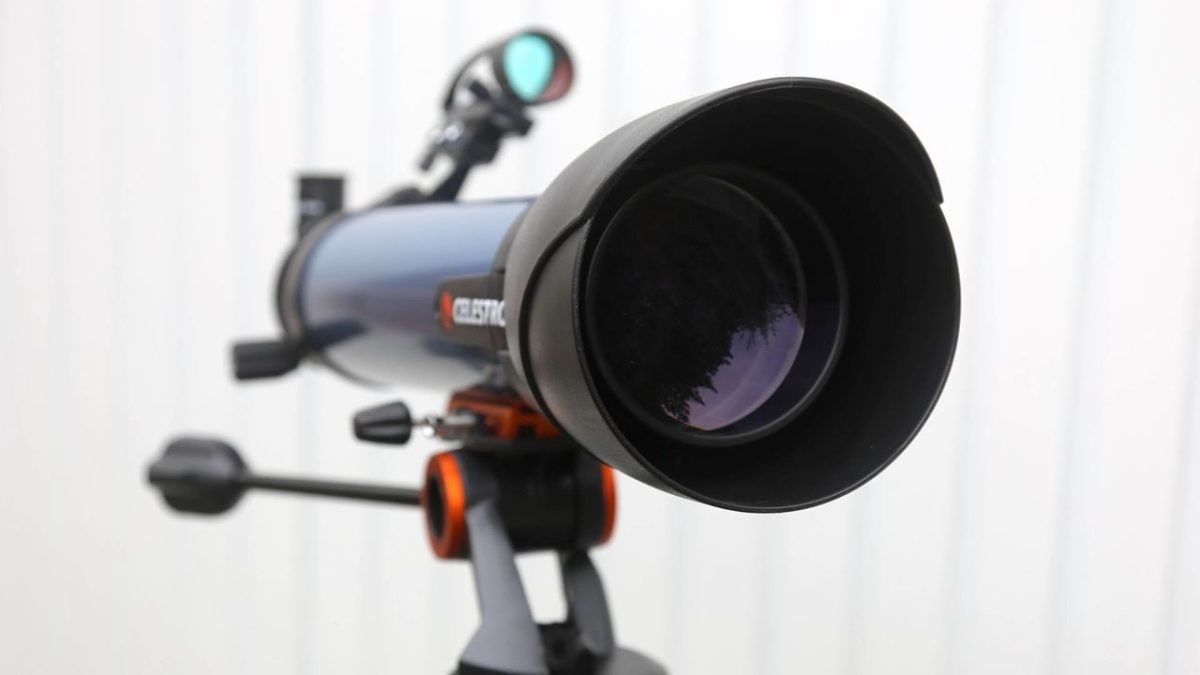
More magnification means better views — or so the box says. Walk into any big-box store and you’ll find beginner telescopes proudly advertising “300x power” as if that number alone is the ticket to stunning views of Saturn’s rings or the craters of the Moon. It’s an intuitive idea: more zoom, more detail. The reality, though, is far more complicated than that.
In fact, cranking up the magnification on a telescope often produces the opposite of what beginners expect. Instead of razor-sharp planetary close-ups, they get blurry, dim, and frustrating images. Understanding why that happens — and what actually determines a good view — is the most important thing any new stargazer can learn before spending money on equipment.
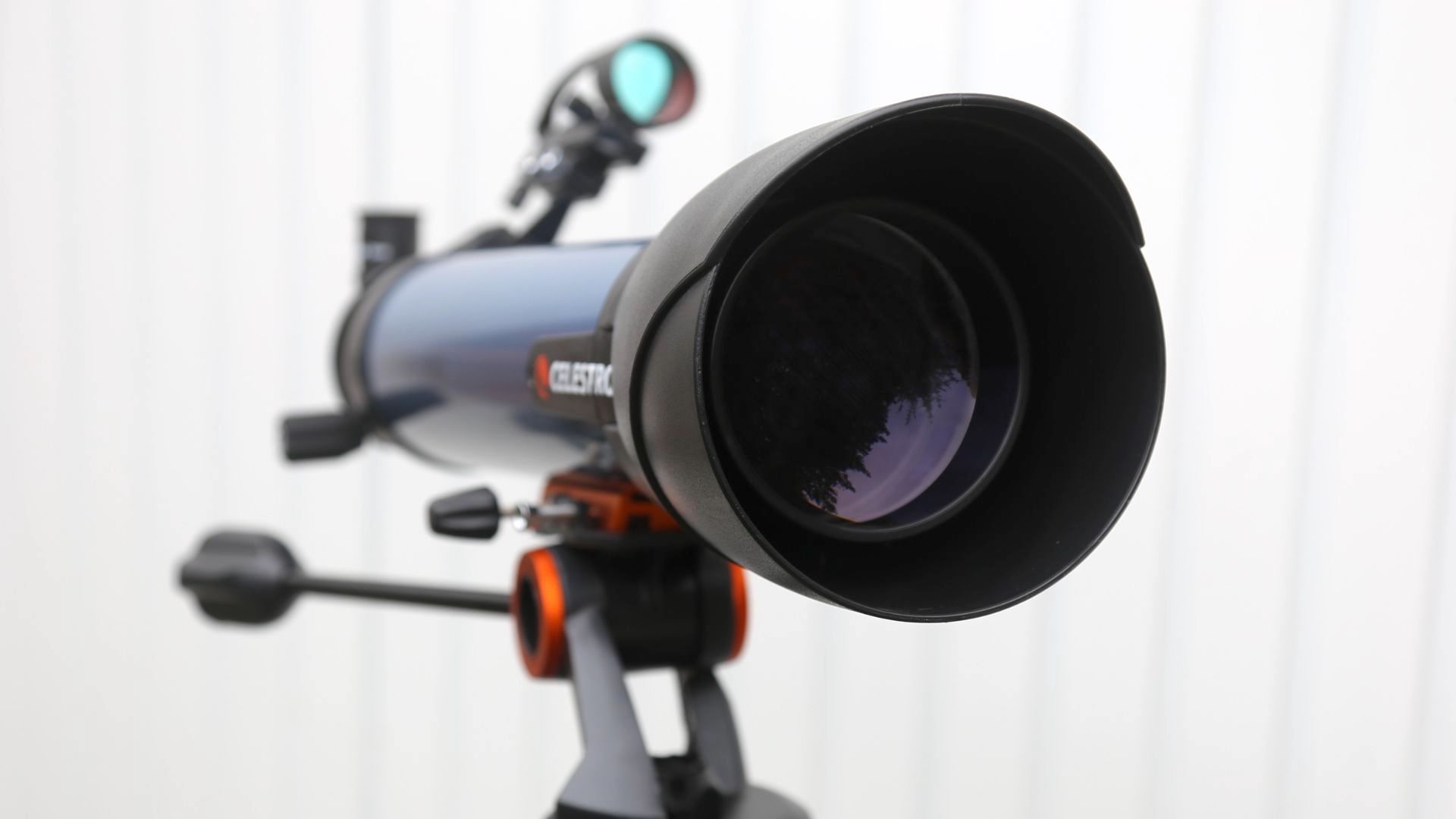
This guide breaks down how telescope magnification actually works, why aperture matters more than most people realize, and how eyepieces fit into the picture.
Why High Magnification Isn’t the Same as a Better View
The core misconception is treating a telescope like a camera zoom lens. With a camera, more zoom generally means more detail. With a telescope, magnification is only one part of a much more complex equation — and it’s arguably not the most important part.
When you increase magnification, you’re not just making the object bigger. You’re also spreading the available light over a larger area, which makes the image dimmer. You’re also amplifying every imperfection in the optical path — including atmospheric turbulence, which astronomers call “seeing.” On a night with poor seeing, a high-magnification view of Jupiter might look like a wobbling, smeared blob rather than the crisp banded planet you were hoping for.
The practical result is that most serious observers spend the majority of their time at moderate magnification levels, not the maximum their telescope can theoretically achieve. A clear, bright, sharp view at lower power almost always beats a dim and blurry one at maximum zoom.
What Actually Controls Telescope Magnification
Magnification in a telescope is determined by a simple formula: divide the focal length of the telescope by the focal length of the eyepiece you’re using. Swap in a different eyepiece, and you change the magnification instantly.
This is why eyepieces matter so much. They are, in effect, the variable that beginners have the most direct control over. A telescope with a focal length of 1,000mm paired with a 10mm eyepiece delivers 100x magnification. Swap that eyepiece for a 25mm version and you drop to 40x — a wider, brighter, and often more satisfying view for many targets.
Understanding this relationship is the first step to using a telescope well. Rather than hunting for the highest magnification possible, experienced observers choose their eyepiece based on what they’re looking at and what the conditions will actually support.
The Role of Aperture — and Why It Trumps Everything Else
If magnification is the most misunderstood concept in amateur astronomy, aperture is the most underappreciated. Aperture refers to the diameter of the telescope’s main lens or mirror — and it determines how much light the telescope can collect.
More aperture means more light-gathering ability, which translates directly into sharper, brighter images and the ability to see fainter objects. A telescope with a larger aperture can also support higher magnifications before the image quality degrades, because there’s more raw light and resolving power to work with.
This is why experienced astronomers tend to prioritize aperture when choosing a telescope, even over brand name or included accessories. A modest eyepiece in a large-aperture telescope will almost always outperform a premium eyepiece in a small one.
| Concept | What It Means | Why It Matters |
|---|---|---|
| Magnification | How much larger the image appears compared to the naked eye | Higher is not always better — too much reduces brightness and sharpness |
| Aperture | Diameter of the telescope’s main lens or mirror | Determines light-gathering power and maximum useful magnification |
| Focal Length (Telescope) | Distance light travels inside the telescope before reaching the eyepiece | Combined with eyepiece focal length to calculate magnification |
| Focal Length (Eyepiece) | Measured in millimeters — shorter = higher magnification | Swapping eyepieces is the primary way observers change magnification |
| Atmospheric Seeing | Stability of the air above the observer | Poor seeing makes high magnification views blurry regardless of equipment quality |
How to Choose the Right Eyepiece for What You’re Observing
Not every target in the night sky calls for the same magnification. Matching your eyepiece to your target is a skill that develops with experience, but there are some useful general principles to start with.
- Wide-field targets like open star clusters and nebulae generally look best at lower magnification, where you can take in the full extent of the object with plenty of surrounding context.
- The Moon rewards moderate magnification — enough to pick out craters and ridges, but not so much that the image becomes washed out.
- Planets are the targets most people associate with high magnification, and they do benefit from more zoom — but only when atmospheric conditions are stable enough to support it.
- Double stars can often handle high magnification well, since they are point sources of light and less affected by image brightness concerns.
The key is flexibility. Owning a small selection of quality eyepieces at different focal lengths gives you far more versatility than any single high-power eyepiece ever could.
What Beginners Should Actually Look for When Buying a Telescope
Given everything above, the advice for anyone starting out is straightforward: ignore the magnification claims on the box entirely. A telescope marketed on the basis of “450x power” is almost certainly prioritizing marketing over optical quality.
Instead, focus on aperture. A larger aperture telescope at a given price point will serve you far better than a smaller one with flashy accessories. Look for a stable mount — a shaky mount makes high magnification views practically unusable. And invest in a couple of quality eyepieces at different focal lengths rather than a drawer full of cheap ones.
The best view through a telescope isn’t the most magnified one. It’s the one that’s sharp, bright, and actually shows you what you came outside to see.
Frequently Asked Questions
Does higher magnification always mean a better view through a telescope?
No. Higher magnification reduces image brightness and amplifies atmospheric distortion, often producing worse views than moderate magnification settings.
How is telescope magnification calculated?
Divide the focal length of the telescope by the focal length of the eyepiece. For example, a 1,000mm telescope with a 10mm eyepiece produces 100x magnification.
What is aperture and why does it matter more than magnification?
Aperture is the diameter of the telescope’s main lens or mirror. It controls how much light the telescope collects, which determines image brightness, sharpness, and the maximum useful magnification.
Can I increase magnification just by swapping eyepieces?
Yes. Using an eyepiece with a shorter focal length increases magnification, while a longer focal length eyepiece reduces it and widens the field of view.
What is “atmospheric seeing” and how does it affect my views?
Seeing refers to the stability of the atmosphere above you. Poor seeing causes images to shimmer and blur, making high magnification views especially difficult regardless of your equipment’s quality.
What should beginners prioritize when buying their first telescope?
Aperture and mount stability matter far more than maximum magnification. A solid, larger-aperture telescope with a few quality eyepieces will outperform a small, high-magnification instrument in almost every situation.



Leave a Reply