
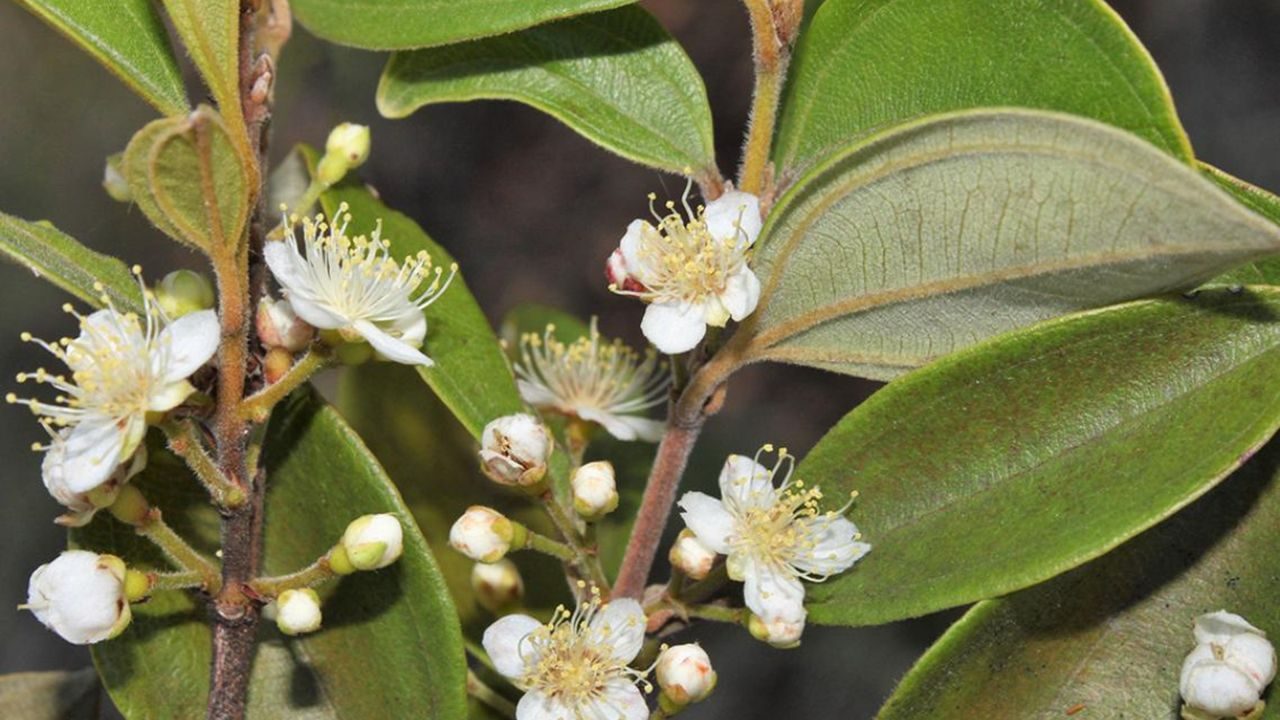
A tree that is alive but cannot reproduce — stuck in a kind of biological limbo — is at the center of a desperate conservation effort unfolding right now in Queensland, Australia. Scientists are scrambling to save Rhodamnia zombi, a newly identified rainforest species that has already lost its ability to flower, fruit, or produce seeds, leaving it with no natural path to survival in the wild.
The situation is as strange as it sounds. A living tree that cannot propagate itself is, in effect, a dead end. And with a fast-spreading fungal disease accelerating the problem, researchers at the University of Queensland and beyond are working against the clock to prevent this species from disappearing before most people ever knew it existed.
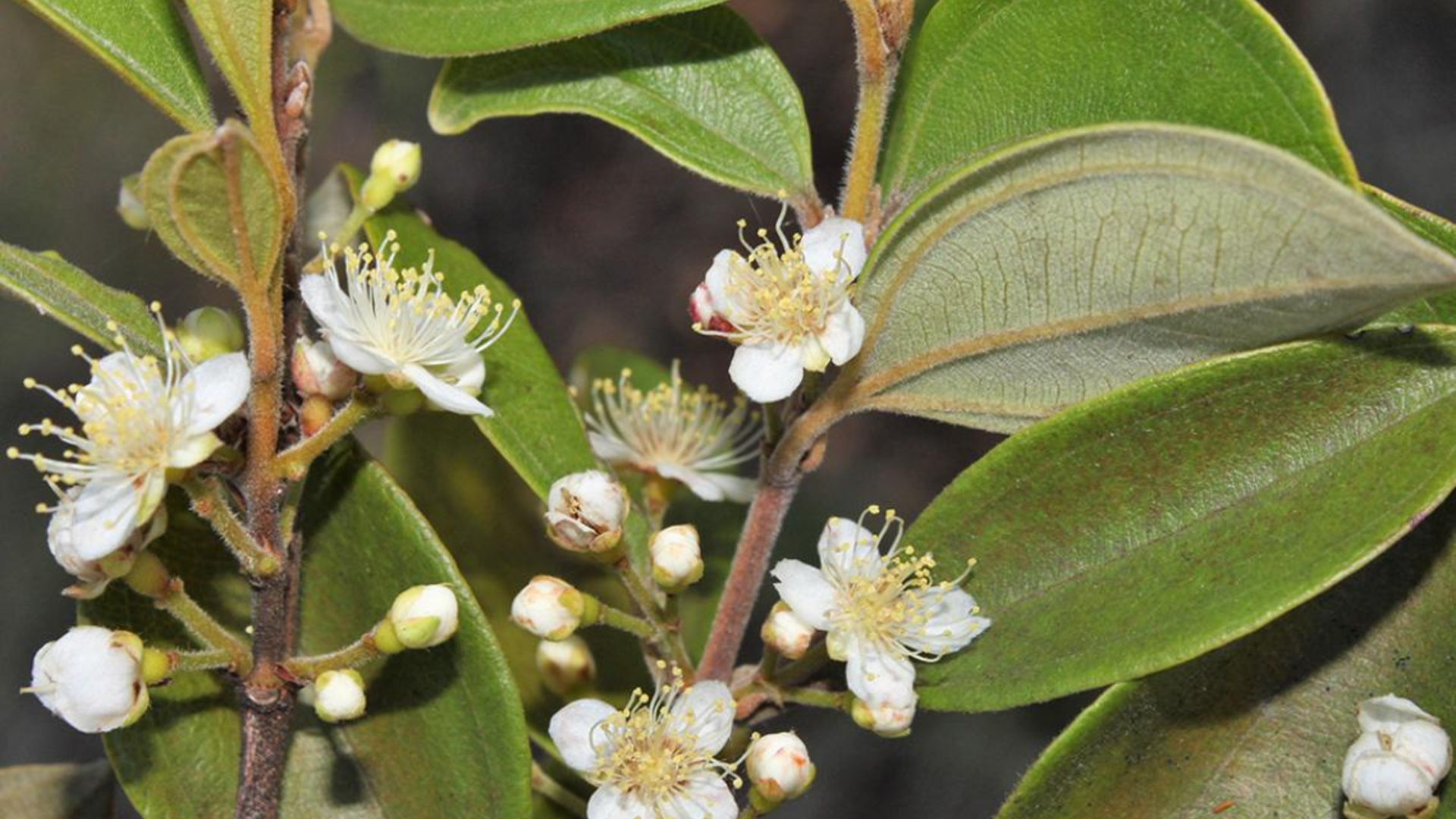
What makes this story even more striking is just how recently the zombie tree was found. Discovered in 2020 and formally described as a new species only last year, Rhodamnia zombi may already be on the verge of extinction — a rare and unsettling example of a species being identified and endangered almost simultaneously.
What Is the Zombie Tree — and Why Does It Have That Name?
The name Rhodamnia zombi is not just for dramatic effect. It reflects something genuinely eerie about the tree’s condition. Like the folkloric zombie — animate but not truly alive in the fullest sense — this tree exists in a state where it can grow and survive day to day, but it cannot complete the most fundamental biological task of any plant species: making more of itself.
The tree is native to Queensland’s rainforests, a biodiversity hotspot that is home to thousands of species found nowhere else on Earth. Its genus, Rhodamnia, belongs to the myrtle family and includes other rainforest trees found across Australia and the Pacific. But this particular species appears uniquely vulnerable.
The cause of its reproductive failure is a fungal disease that has been spreading rapidly through the population. The disease prevents the tree from producing the flowers, fruit, and seeds it would need to naturally regenerate. Without intervention, the species has no way to sustain itself.
The Fungal Threat Driving the Race to Save This Species
Fungal diseases are among the most destructive forces in the plant kingdom. They have driven amphibians toward mass extinction, devastated banana crops worldwide, and wiped out entire tree populations across continents. For a species as newly discovered — and apparently as small in number — as Rhodamnia zombi, a fast-moving fungal pathogen represents an existential threat.
What researchers are dealing with here is not just a sick tree. It is a species whose reproductive system has been effectively shut down by disease, meaning that even if individual trees survive for years or decades, the population cannot grow or recover on its own. Every tree that dies is a permanent loss.
Scientists are now working to understand the fungal disease well enough to intervene — whether through treatment, protective measures, or assisted reproduction using material collected before the disease took full hold.
Key Facts About Rhodamnia Zombi at a Glance
| Detail | What We Know |
|---|---|
| Species name | Rhodamnia zombi |
| Year discovered | 2020 |
| Year formally described as new species | 2024 (last year) |
| Location | Queensland’s rainforests, Australia |
| Research institution involved | The University of Queensland |
| Primary threat | Fast-spreading fungal disease |
| Effect of disease | Prevents flower, fruit, and seed production |
- The tree is alive but reproductively non-functional — hence the “zombie” designation
- It belongs to the myrtle family genus Rhodamnia
- The fungal disease is described as fast-spreading, raising urgency for intervention
- Scientists discovered the species and identified its endangered status within just a few years of each other
Why This Matters Beyond One Tree in One Rainforest
It would be easy to read a story like this and file it away as a niche concern — one obscure tree in a remote rainforest. But the situation with Rhodamnia zombi raises questions that matter far beyond Queensland.
How many species are we losing before we even have the chance to properly study them? The zombie tree was only formally named last year. Researchers have barely begun to understand what ecological role it plays, what compounds it might contain, or how it fits into the broader web of life in Queensland’s rainforests. If it disappears, that knowledge disappears with it.
There is also the broader issue of fungal diseases and their growing impact on plant life worldwide. As climates shift and ecosystems come under pressure, pathogens are spreading into new territories and attacking species that have no evolved defenses against them. The zombie tree’s predicament may be an early warning sign of challenges to come for other rainforest species.
What Scientists Are Trying to Do Next
The work at the University of Queensland is focused on understanding both the tree and the disease threatening it. Researchers are in a race to collect and preserve genetic material, study the fungal pathogen, and explore whether any form of assisted reproduction or disease management could give the species a fighting chance.
The timeline is uncertain. What is clear is that the window for action is narrow. A species that cannot reproduce on its own is already on borrowed time, and every season without a breakthrough narrows the path to survival.
Conservation efforts for plant species often lack the public attention given to animals, but the stakes are no less real. The zombie tree is a vivid reminder that extinction does not always arrive loudly — sometimes it creeps in through a fungal infection, one season at a time.
Frequently Asked Questions
What is Rhodamnia zombi?
Rhodamnia zombi is a newly identified rainforest tree species native to Queensland, Australia, discovered in 2020 and formally described as a new species in 2024.
Why is it called the zombie tree?
The tree is called a zombie because it is alive but cannot reproduce — a fungal disease has prevented it from producing flowers, fruit, or seeds, leaving it unable to propagate itself in the wild.
What is threatening the zombie tree?
A fast-spreading fungal disease is responsible for the tree’s inability to flower or set seed, making natural regeneration impossible.
Who is working to save it?
Scientists at the University of Queensland are among those working to understand the disease and find ways to preserve or rescue the species.
Has the zombie tree been saved yet?
No confirmed solution has been reported. Researchers are described as being in a race to rescue the species before it disappears entirely from Queensland’s rainforests.
Could the fungal disease spread to other tree species?
This has not yet been confirmed in available reporting.



Leave a Reply