
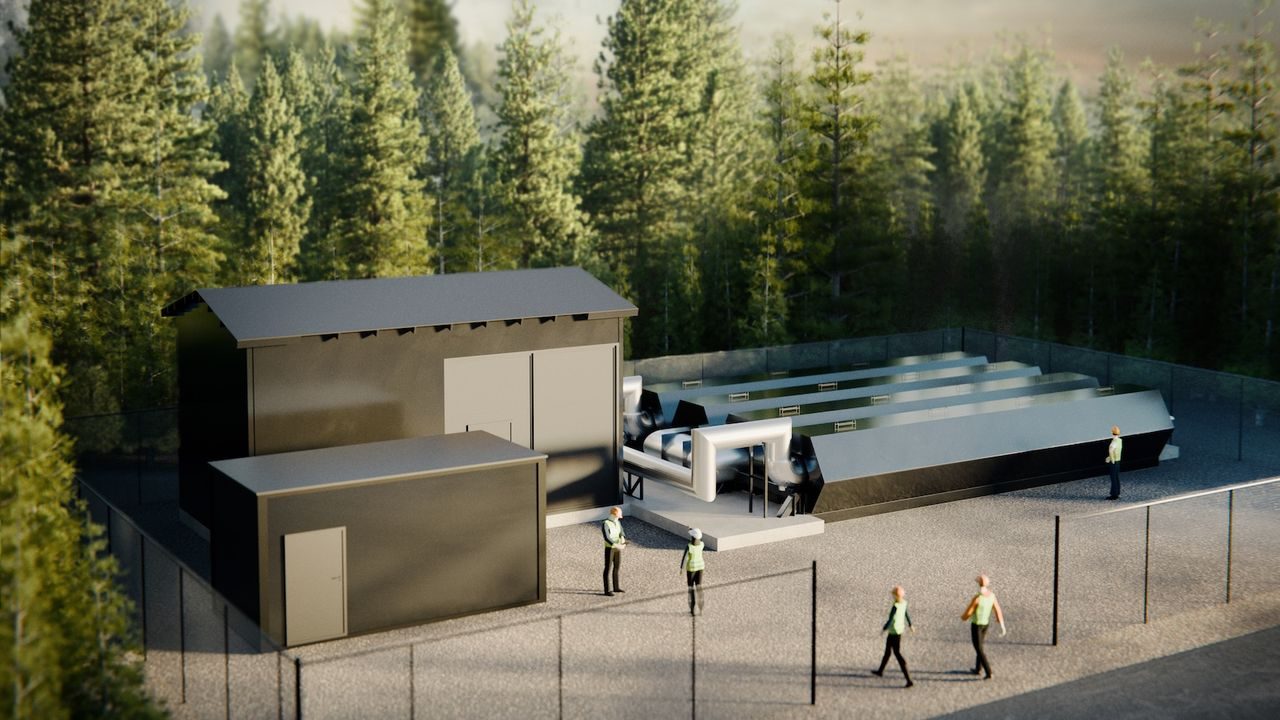
What if the key to storing renewable energy was sitting in a sandbox all along? Engineers in Finland are now preparing to test a new kind of sand battery — one that doesn’t just store energy as heat, but converts that stored heat back into electricity that can flow directly into the power grid.
It sounds almost too simple. But the technology, developed by Finnish company Polar Night Energy, represents a serious attempt to solve one of the biggest problems in the clean energy transition: what to do with renewable power when the sun isn’t shining and the wind isn’t blowing.
The testing phase is approaching, and while engineers are optimistic about the technology’s potential, they’re also candid about a significant hurdle standing between this innovation and widespread adoption — cost.
How the Sand Battery Actually Works
Polar Night Energy’s existing sand battery model works by using surplus renewable electricity to heat sand and sand-like materials to very high temperatures. That stored heat can then be used for district heating — warming homes and buildings — which is already a practical and proven application.
The newer concept being tested takes things a step further. Instead of only releasing energy as heat, this next-generation system is designed to convert the stored thermal energy back into electricity and feed it into the electrical grid. That’s the critical leap: going from a heat-storage device to a genuine power-to-heat-to-power system.
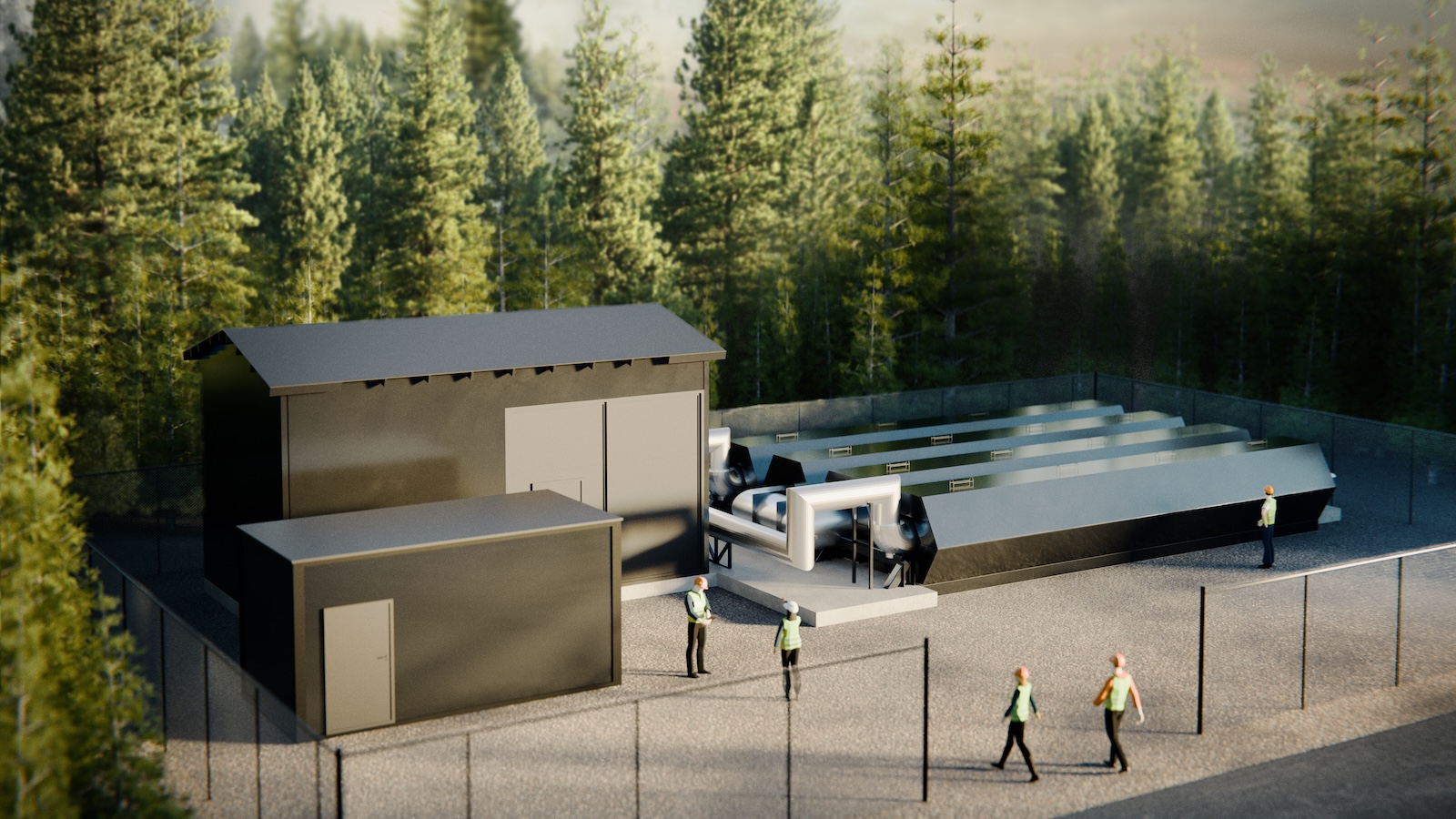
The concept design for this upgraded system is based in Valkeakoski, Finland, and represents what engineers hope will become a viable form of large-scale, long-duration energy storage — the kind the world increasingly needs as more wind and solar capacity comes online.
Why This Matters for the Renewable Energy Transition
The core challenge with renewable energy has never really been generation — it’s storage. Solar panels produce enormous amounts of power on sunny afternoons, and wind turbines can spin through the night. But demand doesn’t always match supply, and the grid needs balance at all times.
Current battery technology, mostly lithium-ion, is effective for short-term storage but becomes extremely expensive and resource-intensive at larger scales. Sand, by contrast, is one of the most abundant materials on Earth. It’s cheap, widely available, and capable of holding heat for extended periods without significant loss.
That’s what makes the sand battery concept so compelling to researchers and clean energy advocates. If the power-to-heat-to-power cycle can be made efficient and affordable, it could offer a low-tech solution to a high-stakes problem — storing weeks or even months of energy in a way that conventional batteries simply can’t.
What the Testing Phase Will Reveal
Engineers are now moving into active testing of the new system, which will evaluate whether the full energy cycle — from electricity in, to heat stored, to electricity back out — works reliably and at what efficiency levels.
This stage is crucial. Storing heat is one thing. Converting it back into usable grid-level electricity is a more complex engineering challenge, and the efficiency of that conversion will largely determine whether the technology makes commercial sense.
| Feature | Existing Sand Battery Model | New Power-to-Heat-to-Power Model |
|---|---|---|
| Primary output | Heat (district heating) | Electricity (grid supply) |
| Energy input | Surplus renewable electricity | Surplus renewable electricity |
| Storage medium | Sand and sand-like materials | Sand and sand-like materials |
| Development stage | Operational | Testing phase beginning |
| Concept location | Finland | Valkeakoski, Finland |
The Problem No One Wants to Talk About: Investment Cost
For all its promise, engineers working on the sand battery are openly acknowledging that cost could be the technology’s biggest obstacle. The upfront investment required to build these systems may be enough to put potential customers off — particularly at a time when energy buyers are already weighing many competing options.
This is a familiar tension in clean energy innovation. Technologies that look brilliant in the lab often struggle to survive contact with real-world economics. Sand itself is cheap, but the infrastructure to heat it, contain it safely at high temperatures, and then convert that heat back into electricity is not trivial to build or maintain.
Whether Polar Night Energy can bring those costs down to a level that makes the sand battery competitive with alternatives — including pumped hydro, lithium-ion storage, and other emerging technologies — remains an open question. The testing phase will likely provide some of the financial data needed to answer it.
What Comes Next for Polar Night Energy
The immediate next step is the testing of the power-to-heat-to-power system, which will give engineers real-world performance data for the first time. Results from this phase will be critical in determining whether the concept can move from a promising design toward commercial deployment.
Finland is a fitting place for this kind of experiment. The country has a long history of district heating infrastructure, a strong engineering culture, and a genuine need for reliable energy storage given its climate and geography. If the technology can prove itself here, the case for broader adoption elsewhere becomes much stronger.
For now, the world is watching a country known for forests and saunas quietly work on something that could reshape how renewable energy is stored — one grain of sand at a time.
Frequently Asked Questions
What is a sand battery?
A sand battery is an energy storage system developed by Polar Night Energy that uses surplus renewable electricity to heat sand and sand-like materials to high temperatures, storing energy for later use.
How is the new sand battery different from the existing one?
The existing model releases stored energy as heat for district heating purposes, while the new model is designed to convert that stored heat back into electricity and supply it to the power grid.
Where is the new sand battery concept being developed?
The concept design for the power-to-heat-to-power sand battery is located in Valkeakoski, Finland.
What is the biggest challenge facing the sand battery technology?
Engineers have identified investment cost as a significant challenge, noting that the upfront expense of building these systems could deter potential customers.
Has the new power-to-heat-to-power system been proven to work yet?
Not yet — engineers are about to begin testing the system, and results from that phase will determine whether it performs reliably enough for commercial deployment.
Why is Finland a key location for this kind of energy research?
Finland has established district heating infrastructure and a strong engineering tradition, making it a practical environment for testing new thermal energy storage technologies.




Leave a Reply