
Tens of thousands of years before any European ship crossed the Atlantic, people were already living, raising children, burying their dead, and leaving their footprints — literally — across the American continent. The story of the first Americans is one of the most fascinating and still-evolving chapters in human history.
These earliest inhabitants arrived during the last ice age, a time when the landscape of North America looked almost unrecognizable to modern eyes. Woolly mammoths, giant sloths, and saber-toothed cats shared the land with the people who would become the ancestors of Indigenous Americans. What they left behind continues to reshape what scientists thought they knew.
And yet, for most people, the details of this story remain largely unknown. How did they get here? When exactly did they arrive? What do the traces they left behind actually tell us about their lives? The answers are more vivid — and more human — than you might expect.
Who Were the First People to Reach the Americas?
The first Americans arrived on the continent during the last ice age, a period when massive glaciers locked up enormous amounts of ocean water, lowering sea levels and exposing land bridges that no longer exist today. The most widely discussed of these was Beringia, a stretch of land connecting what is now Siberia to Alaska.
These were not wandering bands stumbling blindly into unknown territory. They were skilled, adaptive people navigating one of the harshest environments on Earth — and they thrived. Over generations, their descendants spread across two continents, from the Arctic tundra to the tip of South America.
The archaeological record they left behind is fragmentary but deeply personal. Among the most striking discoveries are prehistoric footprints found in what is now New Mexico — a set of tracks believed to show a caregiver walking alongside a squirmy toddler. It is a snapshot of ordinary life frozen in ancient mud, and it closes the distance between then and now in an instant.
What the Archaeological Evidence Actually Shows
The physical traces left by the first Americans span an enormous range — from the intimate to the heartbreaking. Researchers have documented findings that paint a surprisingly detailed picture of daily life, family bonds, and cultural practices from thousands of years ago.
- Prehistoric footprints in New Mexico: Tracks believed to show a caregiver and a toddler walking together, offering a rare glimpse into the domestic life of early Americans.
- A cremation burial in Alaska: The remains of a 3-year-old child, described as a heartbreaking find, suggesting that these early communities practiced deliberate, ceremonial burial of their youngest members.
- Megafauna coexistence: The first Americans shared their world with now-extinct creatures including woolly mammoths, giant sloths, and saber-toothed cats.
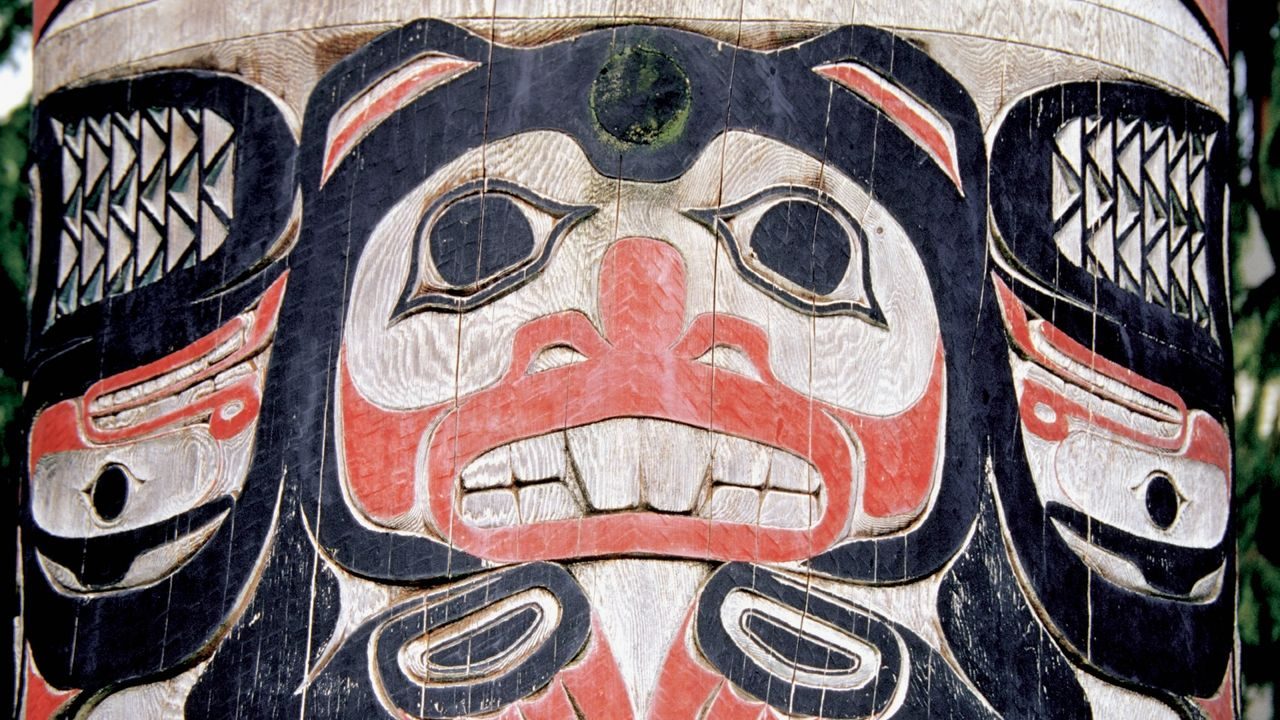
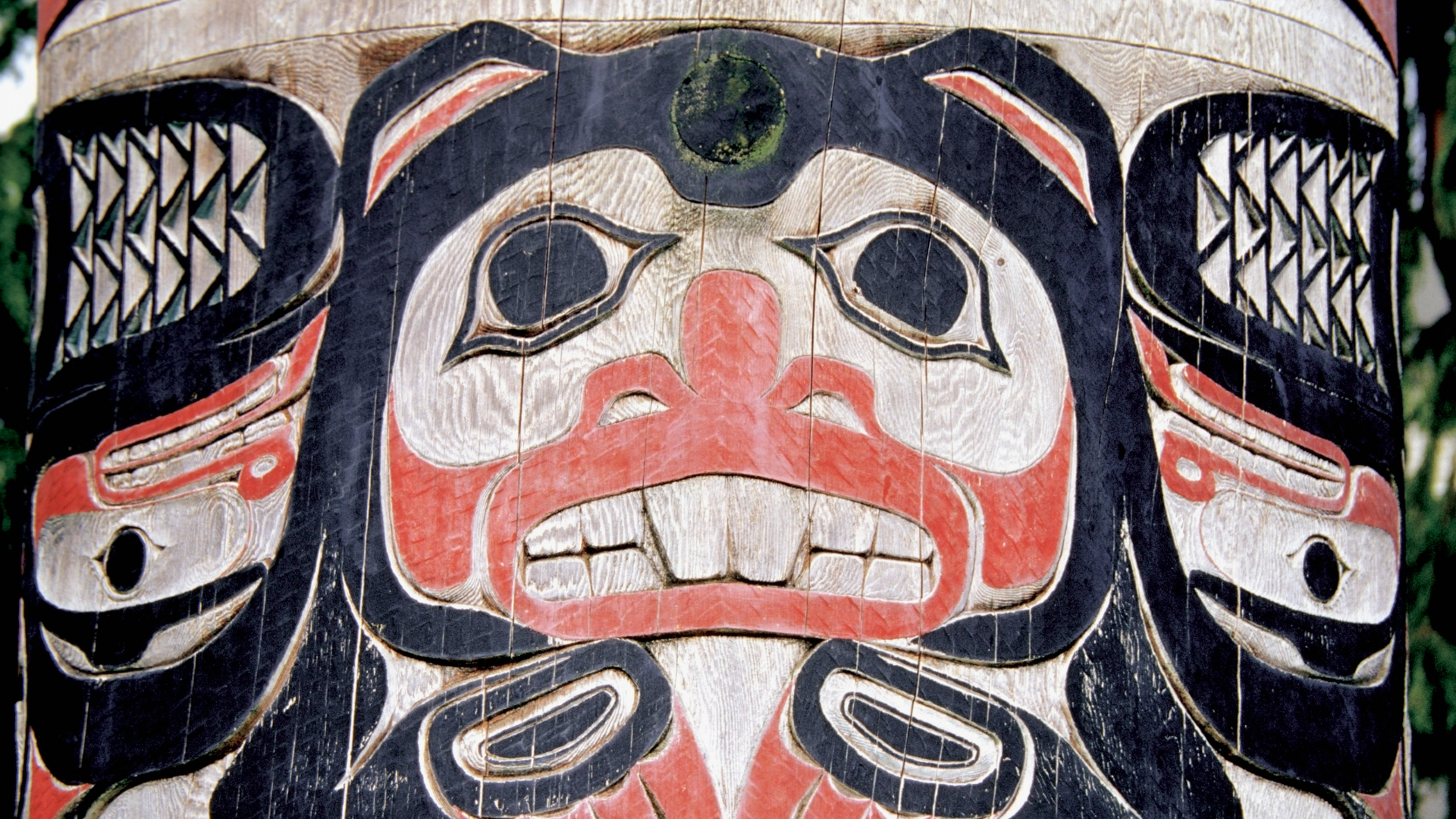
- Totem pole traditions: Cultural artifacts such as painted totem poles, examples of which survive in places like Ketchikan, Alaska, reflect the rich artistic and spiritual traditions of Indigenous American peoples.
| Discovery | Location | Significance |
|---|---|---|
| Prehistoric footprints | What is now New Mexico | Show a caregiver and toddler walking together |
| Cremation burial | What is now Alaska | Remains of a 3-year-old child; evidence of ceremonial burial |
| Megafauna evidence | Across North America | Confirms coexistence with woolly mammoths, giant sloths, saber-toothed cats |
| Painted totem poles | Ketchikan, Alaska | Reflects Indigenous artistic and cultural traditions |
Why These Discoveries Matter Beyond the Textbooks
There is a tendency to think of prehistoric people in abstract terms — as nameless figures moving across maps in textbook diagrams. The archaeological record of the first Americans pushes back hard against that habit.
A caregiver watching over a toddler. A community mourning a three-year-old. These are not data points. They are moments of recognizable human experience, preserved by accident and recovered by science thousands of years later. They remind us that the story of the Americas is not a story that begins with European contact — it begins tens of thousands of years earlier, with people who loved their children and buried their dead.
For Indigenous communities today, these findings carry particular weight. They are not just scientific curiosities — they are evidence of deep, continuous human presence on land that their ancestors inhabited long before recorded history began.
Researchers also note that every new discovery has the potential to revise the timeline. The question of exactly when the first Americans arrived — and by what route — remains actively debated among archaeologists and geneticists. Each footprint, each burial site, each tool fragment adds another piece to a puzzle that is far from complete.
What We Still Don’t Know About the First Americans
Despite decades of research, major questions remain open. The precise timing of the first arrival in the Americas is still contested. So is the question of whether there were multiple waves of migration or a single founding population. Genetic studies and archaeological digs continue to produce new evidence that sometimes confirms existing theories — and sometimes overturns them entirely.
What is clear is that the first Americans were not a single, uniform group. They were diverse peoples who adapted to radically different environments across two continents, developing distinct languages, cultures, and ways of life over thousands of generations.
The footprints in New Mexico and the burial in Alaska are reminders that behind every archaeological discovery is a real person — someone who walked across wet ground, or held a sick child, or grieved a loss. The science of the first Americans is, at its core, a science of human lives.
Frequently Asked Questions
When did the first Americans arrive on the continent?
The first people are believed to have arrived in the Americas during the last ice age, though the precise timing remains actively debated among researchers.
What animals did the first Americans share their world with?
According to
What are the prehistoric footprints found in New Mexico?
They are ancient tracks believed to show a caregiver walking alongside a toddler, offering a rare and intimate glimpse into the daily life of early Americans.
What was found in the cremation burial in Alaska?
The burial contained the remains of a 3-year-old child, suggesting that early Americans practiced deliberate, ceremonial burial even for very young members of their communities.
How did the first Americans get to the continent?
The most widely discussed route involves land bridges exposed during the last ice age when lower sea levels connected what is now Siberia to Alaska, though research into migration routes is ongoing.
Are there still unanswered questions about the first Americans?
Yes — the exact timing of arrival, the number of migration waves, and many details of early culture remain subjects of active scientific investigation and debate.


Leave a Reply