
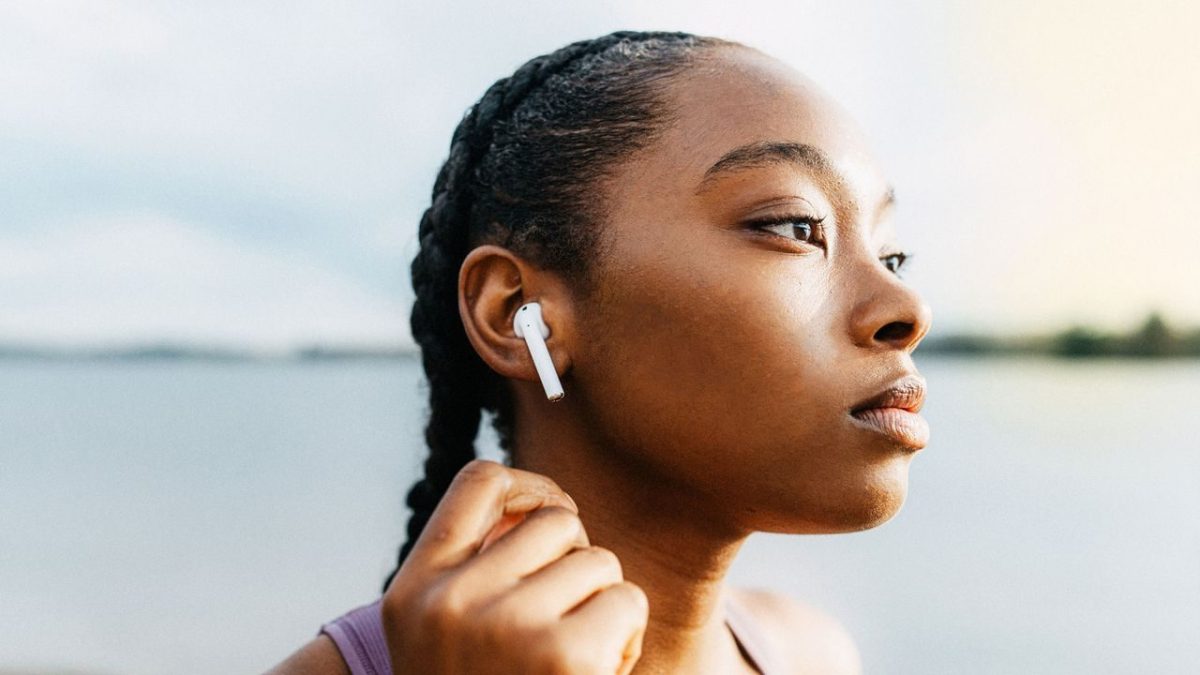
Walk into any gym and you will notice it almost immediately — half the people there are locked into their own audio world, earbuds in, completely unreachable. Step outside and the same is true for most runners and cyclists logging miles on the road or trail. Music and movement have always gone together, and the right pair of sports earbuds can make a real difference in how hard you push and how long you last.
The problem is that not all earbuds are built for physical activity. Regular consumer earbuds fall out mid-sprint, fog up with sweat, or die halfway through a long run. Sports earbuds are a different category entirely — engineered to stay put, handle moisture, and deliver sound quality that holds up when your heart rate is climbing and your focus is elsewhere.
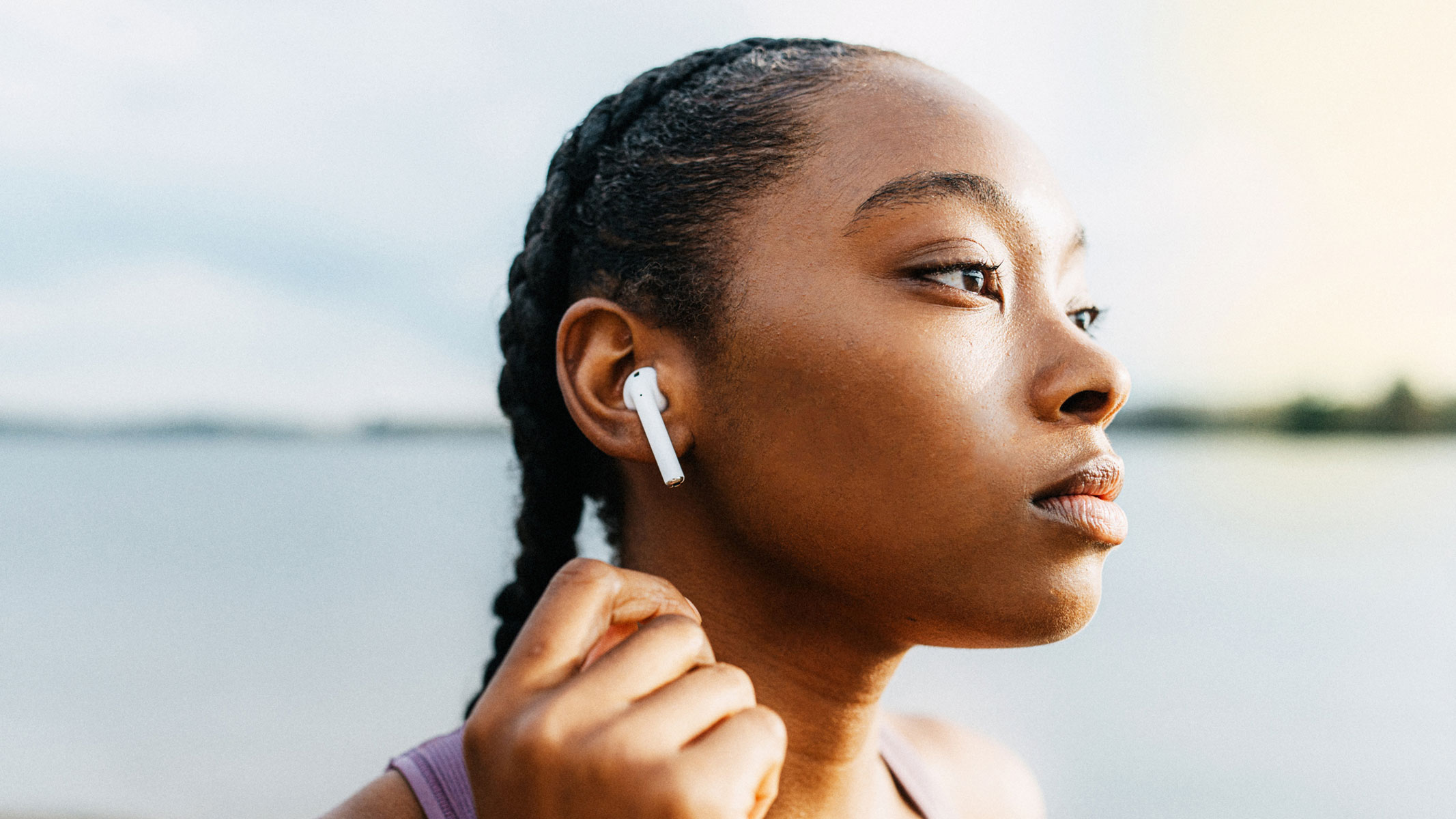
If you have ever tried to shop for a pair, you already know how overwhelming the options can be. Budget picks, premium models, waterproof designs, trail-specific builds — the market is crowded. Here is what fitness professionals and music lovers who actually work out consider when choosing the best sports earbuds for different needs.
Why the Right Sports Earbuds Actually Matter for Performance
There is a reason serious athletes are particular about their audio gear. A pair of earbuds that slips out every few minutes is not just annoying — it breaks your rhythm, pulls you out of the zone, and can even become a safety hazard if you are fumbling with them while running near traffic or navigating a trail.
Fit is the single most important factor, and it is also the most personal. What stays locked in one person’s ear canal may feel loose in another’s. Most sports earbuds address this with multiple ear tip sizes and wing attachments that hook around the outer ear for added security.
Beyond fit, durability and water resistance are non-negotiable for anyone who sweats heavily or trains outdoors. A pair that cannot handle a hard workout in humid conditions or a light rain shower is not really a sports earbud — it is just a regular earbud with a sporty marketing campaign attached to it.
What Fitness Professionals Look for in Sports Earbuds
Fitness pros who also care deeply about music quality tend to evaluate earbuds across several overlapping categories. No single pair is perfect for every athlete or every activity, which is why the best recommendations are usually broken down by use case rather than ranked in one universal order.
The categories that matter most include:
- Budget-friendly options — for athletes who want reliable performance without spending a premium price
- Secure fit — for high-intensity training, HIIT sessions, or any activity involving a lot of movement
- Durability — for people who train hard, train often, and need gear that keeps up
- Hiking-specific designs — often prioritizing awareness of surroundings alongside audio quality
- Running performance — lightweight builds, stable fit, and good battery life for longer distances
- Water sports compatibility — higher waterproofing ratings for swimmers or those training in wet conditions
Each of these use cases demands something slightly different from the hardware, which is why buying earbuds based on your primary activity makes far more sense than chasing one all-purpose recommendation.
A Quick Look at How Sports Earbuds Break Down by Use
| Use Case | Key Priority | What to Look For |
|---|---|---|
| Budget buyers | Value for money | Reliable fit, decent sound, basic water resistance |
| Secure fit seekers | Stability during movement | Ear wings, multiple tip sizes, lightweight design |
| Durability-focused athletes | Long-term toughness | Rugged build quality, high IP rating, strong battery |
| Hikers | Situational awareness | Transparency or open-ear modes, comfort for long wear |
| Runners | Lightweight performance | Secure fit, good battery life, sweat resistance |
| Water sports athletes | Waterproofing | High IP waterproof rating, sealed design |
The Part Most Buyers Overlook When Shopping for Sports Earbuds
Most people focus heavily on sound quality and price when shopping, which makes sense — but fitness-focused buyers often underestimate how much battery life and call quality matter during long training sessions.
If you are running a half marathon or spending three hours on a bike, earbuds that die at the 90-minute mark are not going to serve you well. And for athletes who also need to take calls while training — coaches, busy professionals squeezing workouts into packed schedules — microphone clarity matters just as much as audio output.
Situational awareness is another factor that often gets ignored until it becomes a problem. Hikers and runners sharing roads or trails with vehicles and other people genuinely need to hear what is happening around them. Many modern sports earbuds now include transparency modes that let ambient sound through without requiring you to remove the earbuds entirely, which is a practical safety feature worth prioritizing.
How to Find the Right Pair for Your Training Style
The simplest way to narrow down your options is to start with your primary activity and your biggest frustration with past earbuds. If your current pair keeps falling out, fit should be your top priority. If they died too quickly, look for extended battery life. If they fogged or failed in wet conditions, water resistance ratings need to come first.
From there, your budget will naturally help filter the field. Premium sports earbuds offer more features — better noise isolation, longer battery, more refined sound — but solid performers exist at more accessible price points too, particularly for athletes whose main need is a stable, sweat-resistant fit rather than audiophile-grade audio.
Testing earbuds in real workout conditions, rather than just listening to them sitting still, is the only honest way to know whether they will work for you. What feels comfortable in a store or right out of the box can feel completely different after 20 minutes of movement and sweat.
Frequently Asked Questions
Are sports earbuds different from regular wireless earbuds?
Yes — sports earbuds are specifically designed for physical activity, with features like enhanced fit mechanisms, sweat resistance, and more durable builds that standard consumer earbuds typically do not prioritize.
What does an IP rating mean for sports earbuds?
An IP (Ingress Protection) rating indicates how resistant a device is to water and dust. A higher IP rating means better protection, which matters for athletes who sweat heavily or train in wet conditions.
Do I need different earbuds for swimming versus running?
Generally yes — water sports require a higher level of waterproofing than standard sweat resistance, so earbuds designed specifically for swimming will have a more robust sealed design than typical running earbuds.
What should hikers look for specifically in sports earbuds?
Hikers benefit from earbuds with transparency or open-ear modes that allow ambient sound through, helping them stay aware of their surroundings on the trail while still enjoying audio.
How important is battery life for sports earbuds?
For longer training sessions — extended runs, bike rides, or multi-hour hikes — battery life is critical. Earbuds that cannot last through your full workout will consistently let you down at the worst moments.
Can sports earbuds be used for everyday listening too?
Most sports earbuds work perfectly well for casual listening, though some prioritize fit and durability over the refined sound tuning you might find in earbuds built purely for audio enjoyment.




Leave a Reply