
Professor Helena Varga carefully turned the weathered manuscript page, her eyes widening as she recognized the distinctive Arabic script. After months of research in the archives of Teruel, she had finally found it—a previously unknown chronicle detailing the daily life of medieval Albarracín’s forgotten Islamic kingdom.
“This changes everything we thought we knew about this region,” she whispered to her research assistant, her voice trembling with excitement. The document in her hands contained detailed accounts of trade agreements, royal marriages, and military campaigns from a Taifa that most history books barely mention.
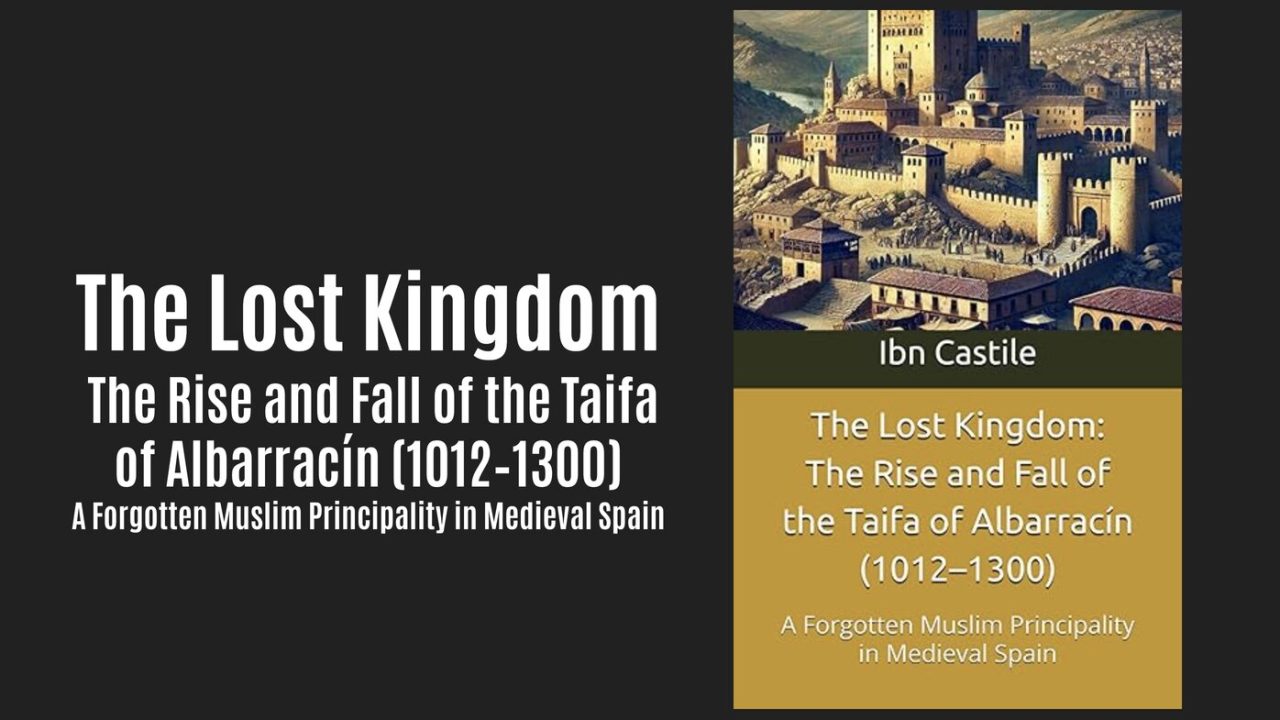
That moment of discovery perfectly captures why the new book “The Lost Kingdom: The Rise and Fall of the Taifa of Albarracín (1012–1300)” is generating such buzz among medieval historians and enthusiasts alike. This comprehensive study shines a light on one of medieval Spain’s most overlooked Islamic kingdoms.
Uncovering a Forgotten Medieval Kingdom
The Taifa of Albarracín represents one of the most fascinating yet understudied chapters in medieval Iberian history. Nestled in the rugged mountains of what is now Aragon, this small but strategically important kingdom survived for nearly three centuries during one of Europe’s most turbulent periods.
Unlike the more famous Taifas of Córdoba or Seville, Albarracín managed to maintain its independence through a combination of diplomatic skill, strategic marriages, and sheer geographical advantage. The kingdom’s mountainous terrain provided natural fortifications that allowed its rulers to play larger powers against each other while carving out their own unique cultural identity.
The Taifa of Albarracín proves that size doesn’t always matter in medieval politics. This tiny kingdom punched well above its weight for centuries.
— Dr. Miguel Rodríguez, Medieval Iberian Studies, University of Valencia
What makes this new book particularly valuable is its use of previously untranslated Arabic sources alongside Christian chronicles and archaeological evidence. The author has painstakingly reconstructed not just the political history, but the daily lives of ordinary people who called this mountain kingdom home.
Key Insights and Historical Details
The book reveals several surprising facts about medieval Albarracín that challenge conventional wisdom about the period. Here are the most significant discoveries:
- Economic prosperity: Despite its small size, Albarracín controlled crucial trade routes between Valencia and Castile
- Religious tolerance: The kingdom maintained relatively peaceful coexistence between Muslim, Christian, and Jewish populations
- Architectural innovation: Unique building techniques that blended Islamic, Christian, and local traditions
- Diplomatic mastery: Successfully navigated relationships with both Christian kingdoms and other Islamic Taifas
- Cultural synthesis: Developed distinctive art, literature, and music that reflected its multicultural population
The timeline of major events provides crucial context for understanding how this small kingdom managed to survive so long:
| Period | Key Events | Ruling Dynasty |
|---|---|---|
| 1012-1104 | Foundation and early expansion | Banu Razin |
| 1104-1170 | Golden age of prosperity | Banu Hud |
| 1170-1220 | Increasing Christian pressure | Azagra family |
| 1220-1284 | Gradual decline and tribute | Various rulers |
| 1284-1300 | Final incorporation into Aragon | Crown of Aragon |
What strikes me most about Albarracín is how it managed to preserve its Islamic character even while paying tribute to Christian rulers. That’s remarkable political survival.
— Professor Sarah Chen, Department of History, Oxford University
Why This Medieval Kingdom Matters Today
You might wonder why a small medieval kingdom that disappeared over 700 years ago deserves our attention today. The answer lies in what Albarracín represents about human adaptability and cultural resilience.
In our current era of cultural tensions and political polarization, the Taifa of Albarracín offers a compelling example of how diverse communities can coexist and even thrive together. The kingdom’s success came not from cultural uniformity, but from embracing diversity as a source of strength.
The book also addresses important questions about identity and belonging in medieval Europe. How did people define themselves when religious, ethnic, and political boundaries were constantly shifting? The residents of Albarracín developed flexible identities that allowed them to navigate these changes successfully.
Modern Spain still bears the architectural and cultural fingerprints of places like Albarracín. Understanding these medieval kingdoms helps us understand ourselves.
— Dr. Antonio López, Institute for Medieval Studies, Madrid
For historians and students, this book provides crucial insights into how small political entities survived in medieval Europe’s complex web of alliances and conflicts. The diplomatic strategies employed by Albarracín’s rulers offer lessons that remain relevant to international relations today.
A Window into Medieval Daily Life
Beyond politics and warfare, the book excels in bringing ordinary medieval life to vivid reality. Through careful analysis of legal documents, tax records, and personal correspondence, readers get an intimate look at how people actually lived in this mountain kingdom.
The author describes bustling markets where Christian merchants haggled with Muslim craftsmen, Jewish scholars translated texts in palace libraries, and farmers of all faiths worked side by side during harvest season. These human details make the distant medieval world feel immediate and relatable.
Archaeological evidence reveals sophisticated urban planning, advanced agricultural techniques, and impressive artistic achievements that rival those of much larger medieval cities. The book includes detailed maps and illustrations that help readers visualize this lost world.
The real treasure in this book isn’t the political intrigue—it’s the glimpses of ordinary people living extraordinary lives in challenging times.
— Dr. Rebecca Martinez, Medieval Archaeology, University of Barcelona
The author also addresses the kingdom’s eventual decline and absorption into the Crown of Aragon. Rather than portraying this as inevitable, the book shows how specific decisions and circumstances led to Albarracín’s transformation from independent kingdom to provincial territory.
FAQs
What was the Taifa of Albarracín?
A small but important Islamic kingdom in medieval Spain that existed from 1012 to 1300 in what is now the Aragon region.
How did such a small kingdom survive for so long?
Through strategic diplomacy, geographical advantages, and skillful navigation of relationships between larger Christian and Muslim powers.
What happened to the kingdom’s Islamic population after 1300?
Many converted to Christianity, others emigrated to remaining Muslim territories, and some continued practicing Islam privately under Christian rule.
Can you visit Albarracín today?
Yes, the modern town of Albarracín in Teruel province preserves much medieval architecture and is a popular tourist destination.
Why hasn’t this kingdom been studied more extensively before?
Limited access to Arabic sources and the kingdom’s small size meant it was often overlooked in favor of larger, more famous medieval states.
What makes this book different from other medieval histories?
It combines Arabic, Christian, and archaeological sources to provide a complete picture of daily life, not just political events.
Leave a Reply