
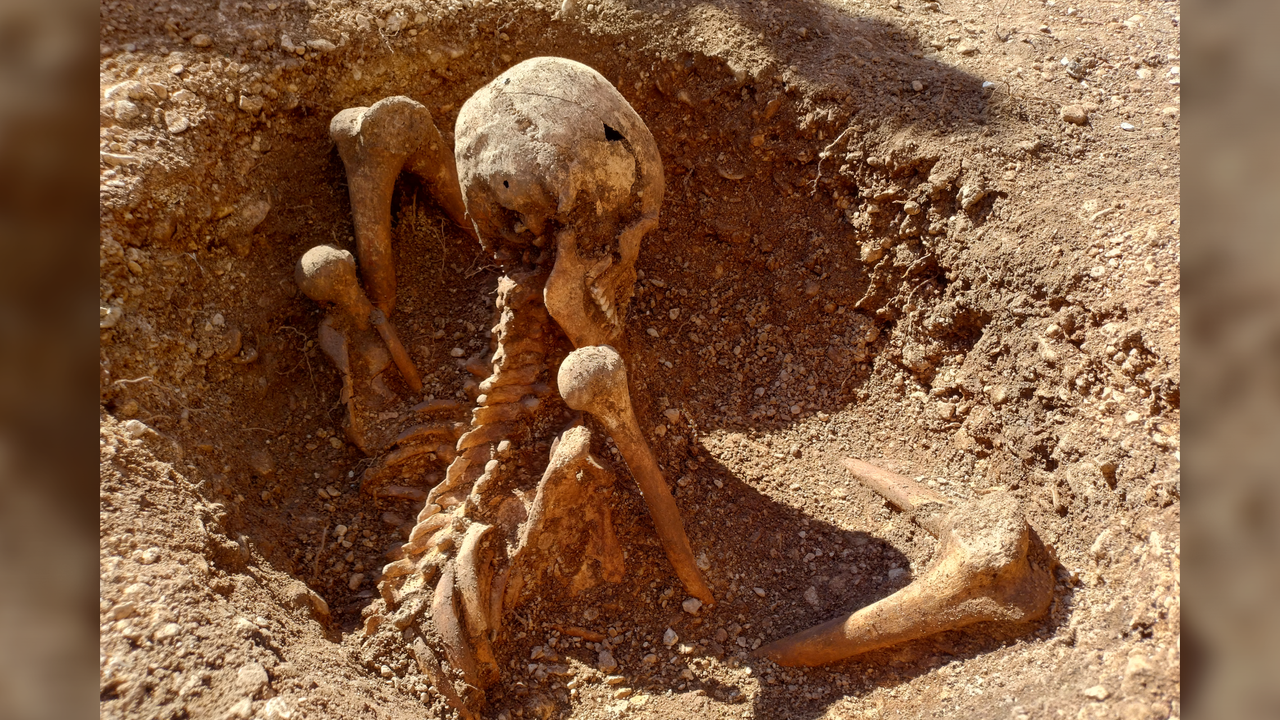
More than a dozen men, buried upright in seated positions roughly 2,400 years ago, were recently discovered next to a primary school in Dijon, France — and researchers believe they may have been Celtic warriors who met violent ends.
The discovery, announced by France’s National Institute for Preventive Archaeological Research (Inrap), was made during excavations carried out in 2025 and 2026. It offers a rare and striking window into Late Iron Age burial practices that archaeologists rarely encounter in such unusual form.
Seated burials from this period are uncommon enough on their own. But the combination of the posture, the suspected identities of the dead, and the signs pointing toward violent deaths makes this find particularly significant for anyone interested in how ancient Celtic societies lived — and died.
Who Were the Men Buried in Dijon?
The skeletons are believed to date to the Late Iron Age, a period roughly corresponding to around 400 BCE. Based on the evidence uncovered at the site, Inrap researchers believe the buried individuals were likely Celtic men — and possibly warriors.
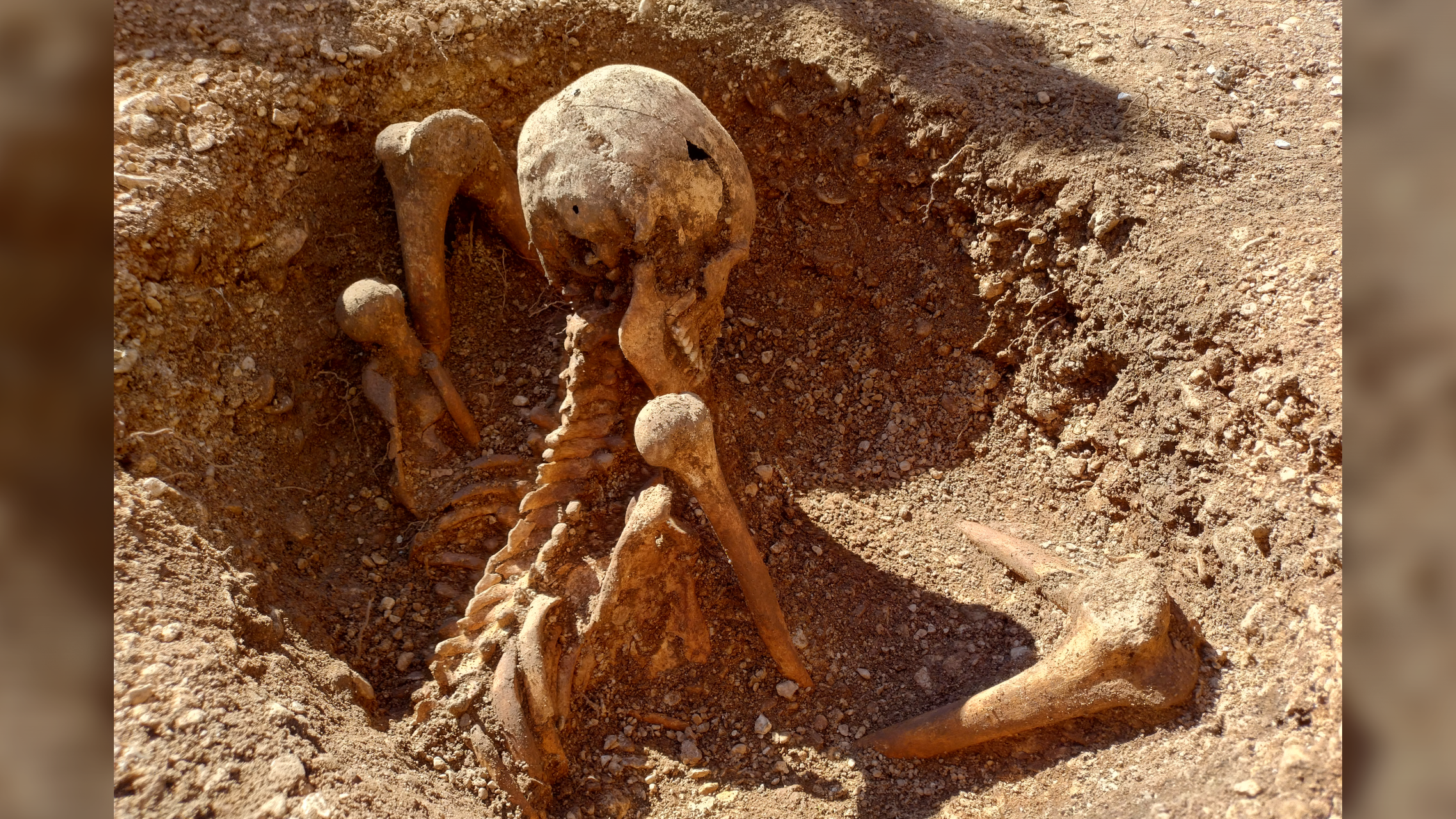
What makes the burials stand out immediately is their posture. Rather than being laid flat in the conventional horizontal position associated with most ancient European burial sites, these individuals appear to have been deliberately placed in upright, seated positions. That kind of intentional positioning suggests a burial ritual with specific cultural meaning — one that researchers are still working to fully understand.
The site itself adds another layer of intrigue. The graves were found adjacent to a primary school, uncovered during what appears to have been a routine archaeological survey ahead of construction or development work — the kind of precautionary excavation that French law requires before ground is broken on new projects.
What the Unusual Burial Positions Tell Researchers
Seated or upright burials are not entirely unknown in the ancient world, but they are rare enough that each new example draws serious academic attention. In the context of Celtic Iron Age culture, burial practices were deeply tied to beliefs about the afterlife, social status, and the manner of a person’s death.
The fact that these men may have died violently is especially significant. Warriors who fell in battle, or who were killed in ritualized circumstances, were sometimes afforded distinct burial rites that set them apart from ordinary community members. An upright seated position could reflect a belief that the dead should face a particular direction, or it could signal a specific rank or role within Celtic society.
Researchers have not yet published full findings, but the initial announcement from Inrap points to signs consistent with violent deaths among the group. Whether those deaths came from combat, execution, or ritual sacrifice remains an open question at this stage of the investigation.
Key Facts About the Dijon Celtic Burial Discovery
| Detail | Information |
|---|---|
| Location | Dijon, France (near a primary school) |
| Estimated date of burials | Approximately 2,400 years ago (Late Iron Age) |
| Number of individuals | More than a dozen |
| Suspected identity | Celtic men, possibly warriors |
| Burial position | Unusual upright seated positions |
| Cause of death (suspected) | Violent deaths |
| Excavating institution | Inrap (National Institute for Preventive Archaeological Research) |
| Discovery period | 2025 and 2026 |
- The burials were found during a preventive archaeological excavation — a legally mandated process in France before development work begins.
- The Late Iron Age in France corresponds to the period of Celtic Gaul, before the Roman conquest of the region.
- Inrap is France’s primary public body responsible for archaeological research ahead of construction projects.
- The seated burial posture is considered highly unusual for the region and period.
Why This Discovery Matters Beyond Dijon
For archaeologists, a find like this is more than a local curiosity. The Late Iron Age Celtic world stretched across much of central and western Europe, and burial sites from this era remain one of the primary ways researchers reconstruct how these societies were organized, what they believed, and how they treated their dead.
Seated burials in particular are so rare that each confirmed example helps researchers build a more complete picture of the diversity within Celtic burial traditions. Most of what the public knows about Celtic burial practices comes from a relatively small number of well-documented sites — which means discoveries like this one in Dijon can genuinely shift academic understanding.
The suspected warrior identity of the buried men also raises questions about how Celtic communities in this region commemorated those who died violently. Did their community view these deaths as honorable? Were the seated positions a mark of distinction, or something else entirely? These are the kinds of questions that ongoing analysis of the bones, the burial goods, and the site context will help answer.
What Researchers Will Be Looking at Next
The announcement from Inrap represents an early-stage disclosure. Full scientific analysis of the skeletal remains, any associated burial objects, and the precise layout of the graves will take considerably more time.
Researchers will likely conduct isotopic analysis of the bones to determine where the individuals originally came from — whether they were local to the Dijon region or had traveled from elsewhere. Examination of any trauma marks on the skeletons will help clarify the nature of the suspected violent deaths. And a detailed study of the burial positioning will attempt to determine whether the seated posture followed a consistent pattern or varied between individuals.
Inrap has not yet announced a timeline for publishing full findings, but given the significance of the discovery, a formal academic report is expected to follow in the coming months or years.
Frequently Asked Questions
Where exactly were the Celtic burials discovered?
The graves were found near a primary school in Dijon, France, during a preventive archaeological excavation carried out by Inrap.
How old are the skeletons found in Dijon?
The remains are estimated to be approximately 2,400 years old, dating to the Late Iron Age.
Why were the men buried in a seated position?
Researchers have not yet confirmed the reason, but the unusual upright posture is believed to reflect a specific burial ritual, possibly linked to the men’s suspected status as warriors.
How many individuals were found at the site?
More than a dozen human skeletons were uncovered during the excavation.
Were these men definitely warriors?
Researchers believe they were possibly warriors based on the evidence gathered so far, but this has not yet been definitively confirmed pending full analysis.
What institution is leading the investigation?
France’s National Institute for Preventive Archaeological Research, known as Inrap, is leading the excavation and announced the discovery in a translated statement.




Leave a Reply