
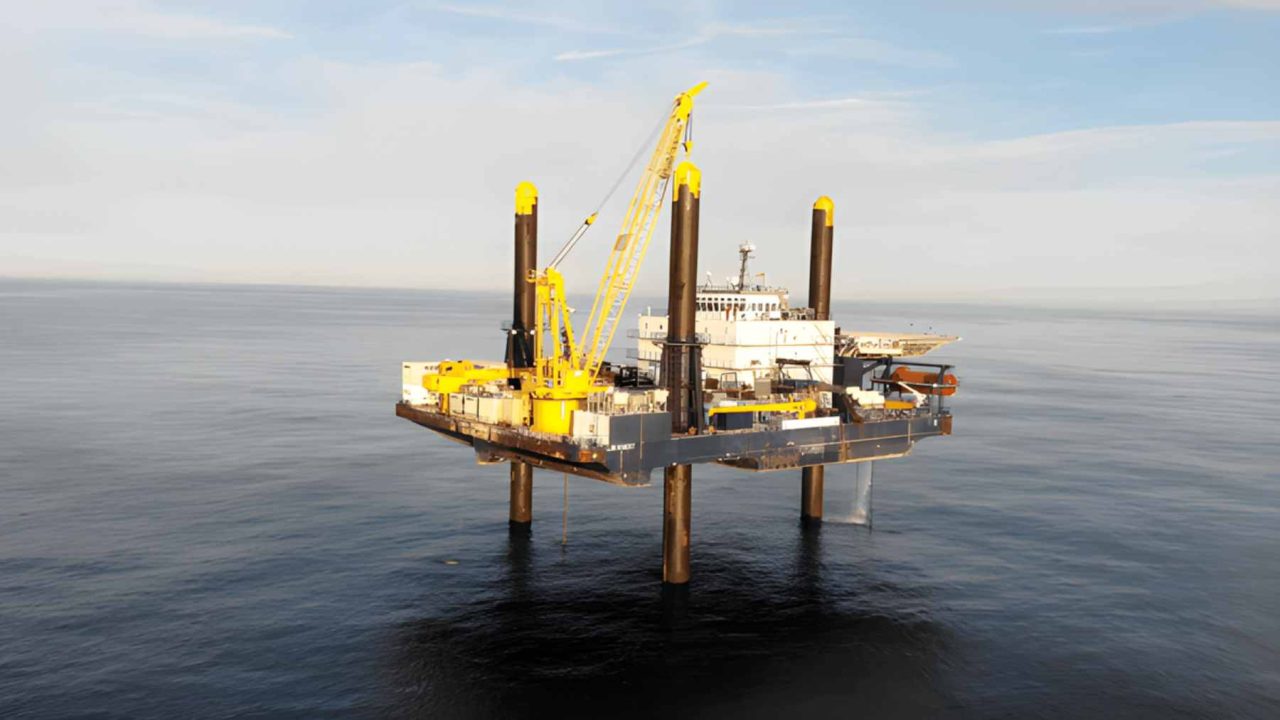
Beneath the floor of the Atlantic Ocean, off the coast of New England, scientists have directly confirmed the existence of a vast system of freshwater-bearing rock and sediment — one so large it has been compared to an underground sea capable of supplying New York City with fresh water for 800 years. The discovery is remarkable. But what it actually means for the future of water supply, climate science, and our understanding of the East Coast’s geological history is even more fascinating than the headline suggests.
For years, geophysical surveys hinted that something significant was hiding beneath the seafloor off the northeastern United States. Now, for the first time, an international scientific team has gone down there, drilled into it, and brought back direct evidence of what those earlier surveys could only guess at.
The results have reshaped how researchers think about offshore aquifers — and raised urgent new questions about what happens to these buried water systems as sea levels continue to rise.
What Scientists Actually Found Beneath the Atlantic
The discovery comes from IODP³-NSF Expedition 501, a dedicated drilling campaign conducted off the coast of southern New England. The team recovered 872 meters — roughly 2,861 feet — of sediment core pulled directly from beneath the ocean floor.
What they found inside that core was striking: a zone of freshened water nearly 200 meters thick, stored within sandy aquifer layers and separated by clay-rich layers known as aquitards. This is the clearest, most direct evidence yet that these offshore freshwater systems are not just theoretical — they are real, they are large, and they are structurally complex.
The term “freshened” is important here. Scientists use it to describe water that is significantly less salty than seawater, though not necessarily as pure as a drinking water source. The water in this system sits in a kind of buried geological sandwich — layers of permeable sandy rock that hold water, alternating with dense clay layers that trap and isolate it from the ocean above.
Previous evidence for these offshore aquifers came from indirect geophysical surveys — essentially reading the seafloor from a distance. Expedition 501 changed that by going directly in, sampling the water itself, and documenting the structure of the system in detail for the first time.
The Numbers Behind the Underground Sea
| Detail | Figure |
|---|---|
| Core material recovered | 872 meters (approx. 2,861 feet) |
| Thickness of freshened water zone | Nearly 200 meters below the seafloor |
| Estimated supply capacity (comparison) | Could supply New York City for 800 years |
| Location | Off southern New England, beneath the Atlantic Ocean |
| Expedition name | IODP³-NSF Expedition 501 |
Why This Is Not a New Water Tap for Coastal Cities
Here is the part of the story that most headlines gloss over: this is not a ready-made freshwater reserve waiting to be tapped. Scientists are clear about that.
The water sits hundreds of meters beneath the ocean floor, in geological formations that were not designed by nature to be easily accessed. Extracting it at any meaningful scale would involve enormous technical, environmental, and logistical challenges that current technology is not remotely equipped to handle at scale.
Researchers view the discovery primarily as a scientific opportunity — a rare window into how the East Coast’s geological and hydrological history unfolded over thousands of years. The system preserves evidence of how sea levels changed, how glaciation shaped the continental shelf, and how sediments, nutrients, and even microbial life responded to those shifts across deep time.
In other words, this buried water is less like a hidden reservoir and more like a geological archive — one that scientists are only beginning to read.
What This Tells Us About Sea Level Rise and Coastal Water Security
The timing of this discovery matters. Coastal groundwater systems along the Eastern Seaboard are already under pressure from rising sea levels, which push saltwater further inland and downward into freshwater aquifers that communities depend on. Understanding how offshore aquifer systems work — how they formed, how they respond to pressure, and how they interact with onshore water supplies — is increasingly critical.
The findings from Expedition 501 offer researchers a more complete picture of how freshwater moves through the continental shelf over geological timescales. That knowledge feeds directly into models scientists use to predict how modern aquifers will behave as climate change accelerates.
- The offshore aquifer system was shaped by past glaciation and sea-level changes over thousands of years
- Sandy aquifer layers hold the freshened water, while clay-rich aquitards act as barriers
- The system also contains information about historical nutrient cycles and microbial life in the seafloor
- Modern sea-level rise is putting new pressure on coastal groundwater systems, making this research more timely
The continental shelf off New England, it turns out, is not just a geological feature — it is a record of everything that happened to this coastline since the last ice age. And this expedition has given scientists their best access yet to that record.
What Comes Next for This Research
The results published so far represent only the first round of analysis from Expedition 501’s core samples. Researchers described this as an initial documentation phase — meaning a significant amount of additional study is still ahead.
The 872 meters of recovered core material will continue to be analyzed for clues about the aquifer’s full extent, its age, how the water got there, and what it can tell scientists about the long-term behavior of continental shelf water systems. Future work is also expected to examine the microbial communities living within the aquifer, which could hold implications for our understanding of life in extreme environments.
What the team has already established, however, is significant enough: offshore freshwater systems beneath the Atlantic are not anomalies. They are real, they are large, and they are far more structured than anyone previously confirmed through direct sampling. The next challenge is understanding them well enough to protect the coastal water systems that millions of people on the East Coast rely on today.
Frequently Asked Questions
Where exactly was this underground freshwater system discovered?
The system was found beneath the seafloor off the coast of southern New England, in the Atlantic Ocean, and was directly sampled during IODP³-NSF Expedition 501.
Can this water actually be used as a drinking water source?
Scientists say it is not a ready-made water supply. Extracting it would pose enormous technical and environmental challenges, and researchers primarily view it as a scientific resource rather than a practical water source.
How thick is the freshwater zone beneath the ocean floor?
The team documented a zone of freshened water nearly 200 meters thick below the seafloor, stored within sandy aquifer layers separated by clay-rich barriers.
How much core material did the expedition recover?
The drilling campaign recovered 872 meters of core — approximately 2,861 feet — from beneath the Atlantic seafloor off New England.
Is this the first time this kind of offshore aquifer has been confirmed?
Previous geophysical surveys had hinted at offshore freshwater systems, but Expedition 501 is described as providing the clearest, most direct evidence yet through actual drilling and water sampling.
What does this discovery mean for sea-level rise research?
Researchers say understanding how these offshore aquifer systems formed and behave is increasingly important as rising sea levels put growing pressure on coastal freshwater supplies along the Eastern Seaboard.



Leave a Reply