
Just before sunrise on a Monday morning, people across Victoria looked up and saw something they couldn’t immediately explain — a massive, bright orange ball of light moving slowly across the sky, trailing fragments as it went. It was visible for nearly 30 seconds, which is far longer than most meteors last. And as it turned out, it wasn’t a meteor at all.
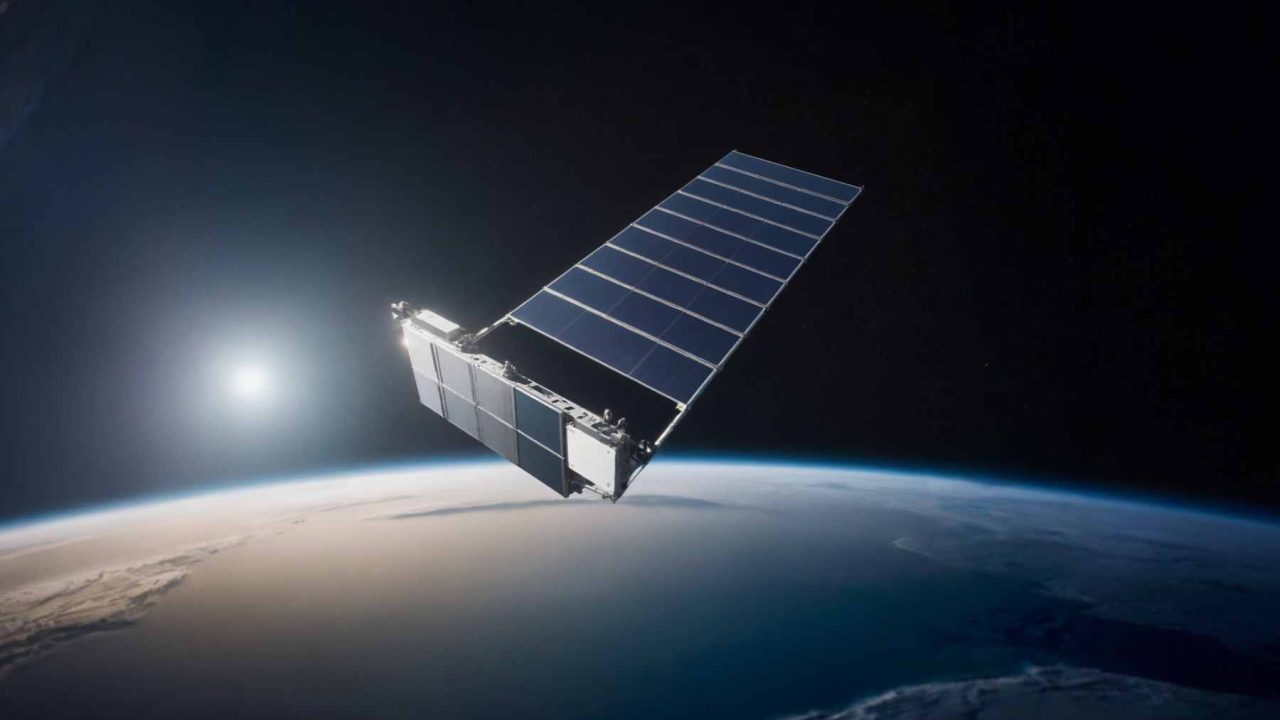
Astronomers believe the spectacular display was the fiery reentry of Starlink 5103, a retired SpaceX internet satellite launched in 2022. What looked like a natural phenomenon was actually a piece of human-made hardware burning up as it fell back to Earth — and that distinction matters more than you might think.
The event is a vivid reminder of something that’s quietly becoming routine: aging satellites falling out of orbit and lighting up the sky on their way down. According to the European Space Agency, intact satellites or rocket bodies are now reentering Earth’s atmosphere more than three times a day on average. That’s not an occasional occurrence. That’s a daily reality.
What Witnesses Actually Saw Over Victoria
The object crossed the sky slowly enough that people had time to stop and watch. Fragments appeared to peel away from the main body as it traveled, creating a dramatic, almost cinematic effect. The orange glow and the extended duration — close to 30 seconds — were key clues that this wasn’t a typical space rock burning up on entry.
Meteors usually streak across the sky in a second or two. A satellite reentry behaves differently. The object is larger, travels at a lower angle, and tends to break apart more gradually as it descends through progressively denser layers of the atmosphere.
Monash University associate professor Michael Brown identified the object as Starlink 5103. He noted that satellites like this don’t last “particularly long” in orbit, and when they reenter the atmosphere at speeds exceeding 7 kilometers per second — roughly 4.3 miles per second — the resulting friction and heat can produce an intense, prolonged light show that’s easily mistaken for a meteor or even a fireball.
Tracking data cited by ABC also pointed to Starlink 5103 as the likely culprit, corroborating the visual evidence with orbital data.
Why Starlink Satellites Don’t Stay Up Forever
Starlink 5103 was launched in 2022, which means it had been in orbit for only a few years before reentering. That relatively short operational lifespan is by design — SpaceX builds its Starlink satellites to operate in low Earth orbit, which means atmospheric drag gradually pulls them down over time without any active intervention needed.
The upside of low Earth orbit is lower latency for internet users. The downside is that satellites don’t stay up indefinitely, and as the Starlink constellation grows into the thousands, more and more of these satellites will be coming back down on a regular basis.
Most of the time, satellites burn up completely during reentry. But not always. Denser components — certain metals, structural frames, battery housings — can survive the descent and reach the ground. That’s a question scientists and space agencies are increasingly focused on.
Key Facts at a Glance
| Detail | Information |
|---|---|
| Satellite identified | Starlink 5103 |
| Launch year | 2022 |
| Reentry speed | More than 7 km/s (approx. 4.3 miles/s) |
| Visibility duration | Close to 30 seconds |
| Location of sighting | Victoria, Australia |
| Expert identification | Associate Professor Michael Brown, Monash University |
| Average global reentry rate (ESA) | More than 3 intact satellites or rocket bodies per day |
- The object appeared orange and shed visible fragments during descent
- Duration of 30 seconds is significantly longer than a typical meteor
- Tracking data from ABC’s reporting corroborated the satellite identification
- ESA data shows reentries are now happening multiple times daily worldwide
The Bigger Picture — What This Means for Safety and the Sky
The Victoria sighting isn’t just a curious moment for skywatchers. It’s a signal of a much larger shift happening in low Earth orbit right now. As communication satellite constellations expand — with SpaceX’s Starlink being the largest — the number of aging satellites coming back down will only increase.
Scientists are raising two distinct concerns. The first is safety on the ground. While the odds of satellite debris hitting a person remain extremely low, the sheer volume of reentries is growing, and not every piece of hardware burns up completely. The second concern is higher in the atmosphere: the combustion of satellites during reentry releases metals and compounds into the upper atmosphere, and researchers are still working to understand what that means at scale.
The ESA statistic — more than three reentries per day — puts the Victoria event in context. This is no longer a rare occurrence. It’s becoming part of the background rhythm of life on a planet surrounded by human-made hardware.
What Happens as More Satellites Come Down
The trend is only going to accelerate. With thousands of Starlink satellites already in orbit and more being launched regularly, the pipeline of aging hardware heading back toward Earth is growing. SpaceX and other operators design their satellites to deorbit naturally through atmospheric drag, which is considered safer than leaving debris in orbit indefinitely — but it does mean more fiery reentries over populated areas.
Space agencies and researchers are actively studying both the debris survival question and the atmospheric chemistry implications. For now, events like the one over Victoria are likely to become more frequent, not less — and more people are going to look up one morning and see something they can’t immediately explain.
The answer, increasingly often, will be: it’s a satellite coming home.
Frequently Asked Questions
What was the bright orange light seen over Victoria?
Astronomers identified it as the reentry of Starlink 5103, a retired SpaceX internet satellite launched in 2022, burning up as it reentered Earth’s atmosphere.
Why was it visible for so long — nearly 30 seconds?
Unlike meteors, which typically flash across the sky in a second or two, satellites are larger and reenter at a shallower angle, causing a slower, more prolonged breakup that can be visible for much longer.
How fast was the satellite traveling when it reentered?
According to Monash University’s Associate Professor Michael Brown, satellites like Starlink 5103 slam into the atmosphere at more than 7 kilometers — about 4.3 miles — per second.
How often do satellites reenter Earth’s atmosphere?
According to the European Space Agency, intact satellites or rocket bodies are now reentering Earth’s atmosphere more than three times a day on average.
Is it dangerous when satellites fall back to Earth?
Most satellites burn up completely during reentry, but scientists are studying whether denser components can survive and reach the ground, as well as the atmospheric effects of frequent reentries. Confirmed ground impact details from this specific event have not been reported in
Will satellite reentries like this become more common?
Yes — as large satellite constellations like Starlink continue to grow and older satellites reach the end of their operational lives, reentries are expected to become increasingly frequent.




Leave a Reply