
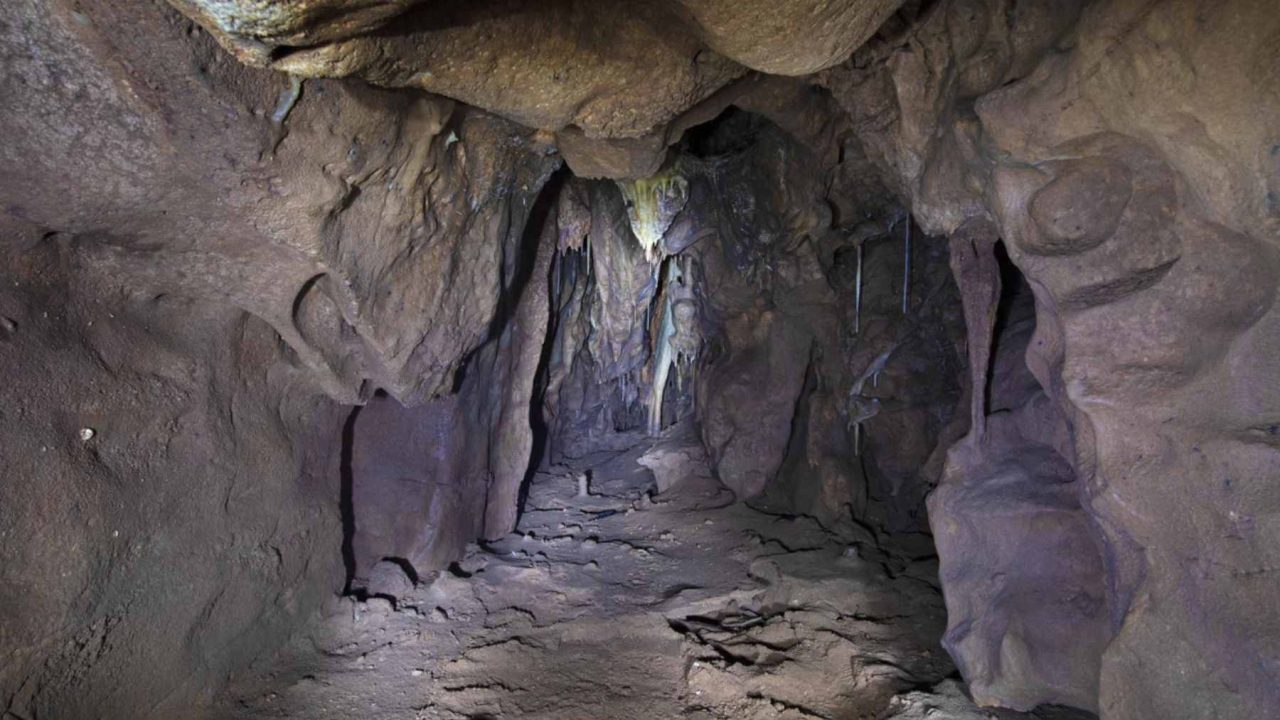
A sealed chamber inside a cave on the Rock of Gibraltar has sat untouched for roughly 40,000 years — and what archaeologists found inside may represent one of the most significant Neanderthal discoveries in modern history.
The hidden room, located at the back of Vanguard Cave within the Gorham’s Cave Complex, was blocked by ancient sand deposits for tens of thousands of years. When researchers from the Gibraltar National Museum finally broke through, they stepped into a space that no human — or Neanderthal — had entered since the Ice Age.
The find is already drawing serious attention from the scientific community. Gorham’s Cave Complex sits on the eastern face of the Rock of Gibraltar and is a designated UNESCO World Heritage Site, recognized for its extraordinary archaeological significance. This latest chamber may be its most remarkable feature yet.
The Cave That Time Forgot
Archaeologists spent years carefully excavating sand at the rear of Vanguard Cave, searching for passages that ancient sediments had sealed off. That painstaking work eventually revealed a chamber approximately 13 meters long, positioned high into the cave roof and completely isolated from the outside world.
The floor of the chamber had never been disturbed. That alone makes it extraordinarily rare in archaeology, where most sites have been touched, shifted, or contaminated by later human activity. Here, everything was exactly where it had been left — presumably by the last individuals who ever occupied the space.
What the team found on that undisturbed floor tells a story. Bones of lynx, hyena, and griffon vulture were scattered across the surface. Claw marks left by a large carnivore were visible on the cave walls or floor. And perhaps most intriguingly, a single dog whelk shell from the sea was found among the remains — a detail that hints at deliberate collection rather than random accumulation.
Why This Could Be the Neanderthals’ Final Address
Neanderthals disappeared from most of Europe long before 40,000 years ago. But Gibraltar has long been considered one of the last holdouts — a southern refuge where small populations may have survived after their relatives elsewhere had already vanished.
The dating of this sealed chamber aligns with that theory. Early results from the site suggest it represents a rare time capsule from some of the last Neanderthals in Europe. If confirmed through further analysis, the chamber could offer direct, undisturbed evidence of how these final populations lived, what they ate, and what animals shared their environment.
The presence of carnivore bones and claw marks raises questions about whether the space was used by Neanderthals, by animals, or by both at different points. The dog whelk shell is a particularly compelling detail — shells like this have previously been associated with Neanderthal behavior at other Gibraltar sites, where evidence suggests they collected and possibly used marine materials.
What Was Found Inside the Chamber
| Item Found | Significance |
|---|---|
| Bones of lynx | Evidence of animal presence or human hunting activity |
| Bones of hyena | Suggests large carnivore occupation or remains left by predators |
| Bones of griffon vulture | May indicate scavenging activity or deliberate collection |
| Claw marks from large carnivore | Physical evidence of animal activity on cave surfaces |
| Single dog whelk shell | Potential indicator of Neanderthal presence and coastal behavior |
| Chamber sealed by sand | Preserved contents undisturbed for approximately 40,000 years |
Why Gorham’s Cave Complex Matters So Much
This discovery does not exist in isolation. Gorham’s Cave Complex has been at the center of Neanderthal research for decades. The site achieved UNESCO World Heritage status precisely because of its layered archaeological record and its connection to some of the last known Neanderthal populations anywhere on Earth.
Gibraltar’s geography played a role in that survival story. The Rock sits at the southern tip of Europe, close to the African coast, with access to marine resources and a relatively mild climate. Researchers have long argued that these conditions made it a viable refuge long after Neanderthals had disappeared from colder, more exposed regions of the continent.
Finding a sealed, undisturbed chamber within this already-significant complex is the kind of discovery that comes along rarely. Most archaeological sites require researchers to work through layers of mixed deposits, separating material from different time periods. A room sealed for 40,000 years removes much of that complexity — what is on the floor belongs to one moment in time.
What Researchers Will Be Looking For Next
The initial findings from the chamber are early results. The bones, shell, and claw marks represent the first wave of evidence, but the real analytical work is just beginning. Researchers will need to conduct detailed dating of the organic materials found inside to confirm the timeline.
They will also examine whether the animal bones show signs of human butchery — cut marks from stone tools, deliberate fracturing for marrow, or patterns of selection that suggest a Neanderthal hand rather than a carnivore’s. The dog whelk shell will receive close attention given its potential behavioral significance.
Any genetic material preserved in the bones — either animal or potentially hominin — could also yield critical data. Cold, sealed environments sometimes preserve ancient DNA far better than open sites, and the sealed nature of this chamber may have created exactly those conditions.
The Gibraltar National Museum team has been methodical in their approach so far, spending years on the excavation before the chamber was revealed. That patience is likely to continue as they work through what may be one of the most carefully preserved Neanderthal-era sites ever found.
Frequently Asked Questions
Where exactly is this sealed cave chamber located?
The chamber is inside Vanguard Cave, part of the Gorham’s Cave Complex on the eastern face of the Rock of Gibraltar, a UNESCO World Heritage Site.
How long had the chamber been sealed?
The chamber was sealed by sand deposits for approximately 40,000 years, leaving its contents completely undisturbed since the Ice Age.
What was found inside the chamber?
Researchers found bones of lynx, hyena, and griffon vulture, claw marks from a large carnivore, and a single dog whelk shell from the sea.
Why do scientists think Neanderthals were the last to use this space?
Early results suggest the chamber dates to a period when some of the last Neanderthals in Europe were still present, and Gibraltar has long been identified as one of their final refuges on the continent.
Who carried out the excavation?
Archaeologists from the Gibraltar National Museum conducted the years-long excavation that ultimately revealed the hidden chamber.
Has the discovery been fully analyzed yet?
No — the findings reported so far are early results. Full dating, genetic analysis, and detailed study of the bones and artifacts are still ongoing.


Leave a Reply