
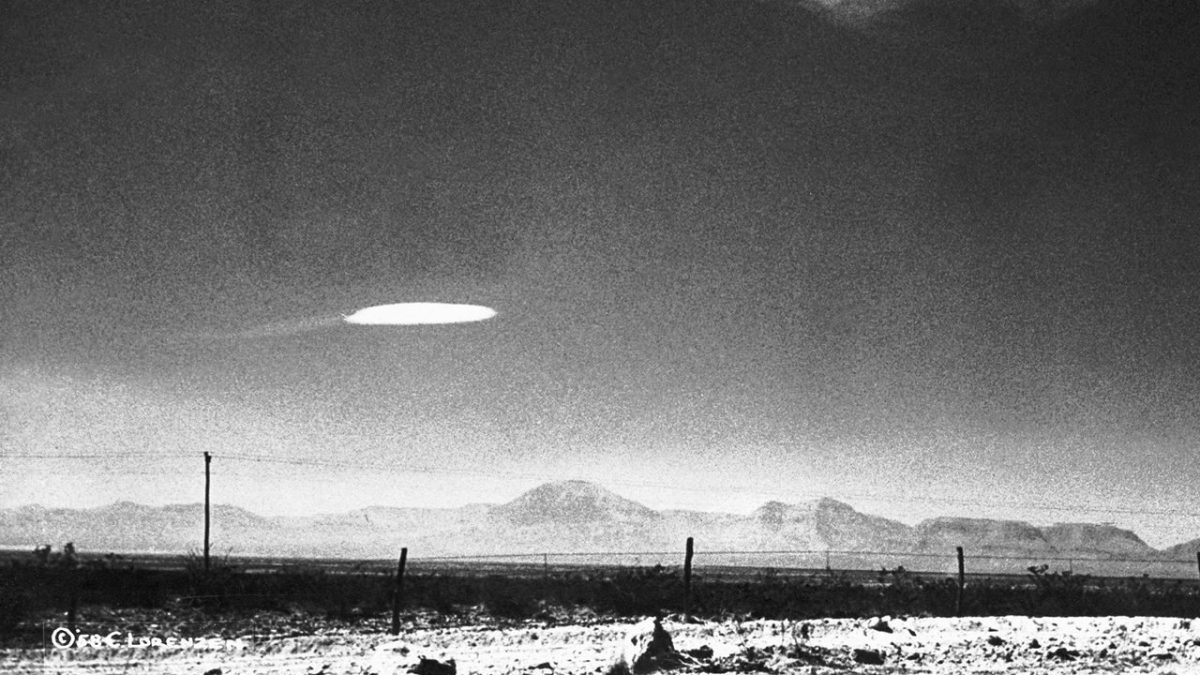
The U.S. government has spent years insisting that UFOs — now officially called unidentified anomalous phenomena, or UAP — deserve serious scientific and national security attention. Congress has passed laws demanding investigations. Military whistleblowers have testified publicly. And in February 2026, President Donald Trump directed the Pentagon and other federal agencies to begin releasing government files related to UAP. So why do researchers say they keep hitting walls?
That contradiction sits at the center of one of the most unusual policy debates in modern American government: an official acknowledgment that something unexplained is happening in restricted airspace, paired with what critics describe as persistent bureaucratic resistance to actual transparency.
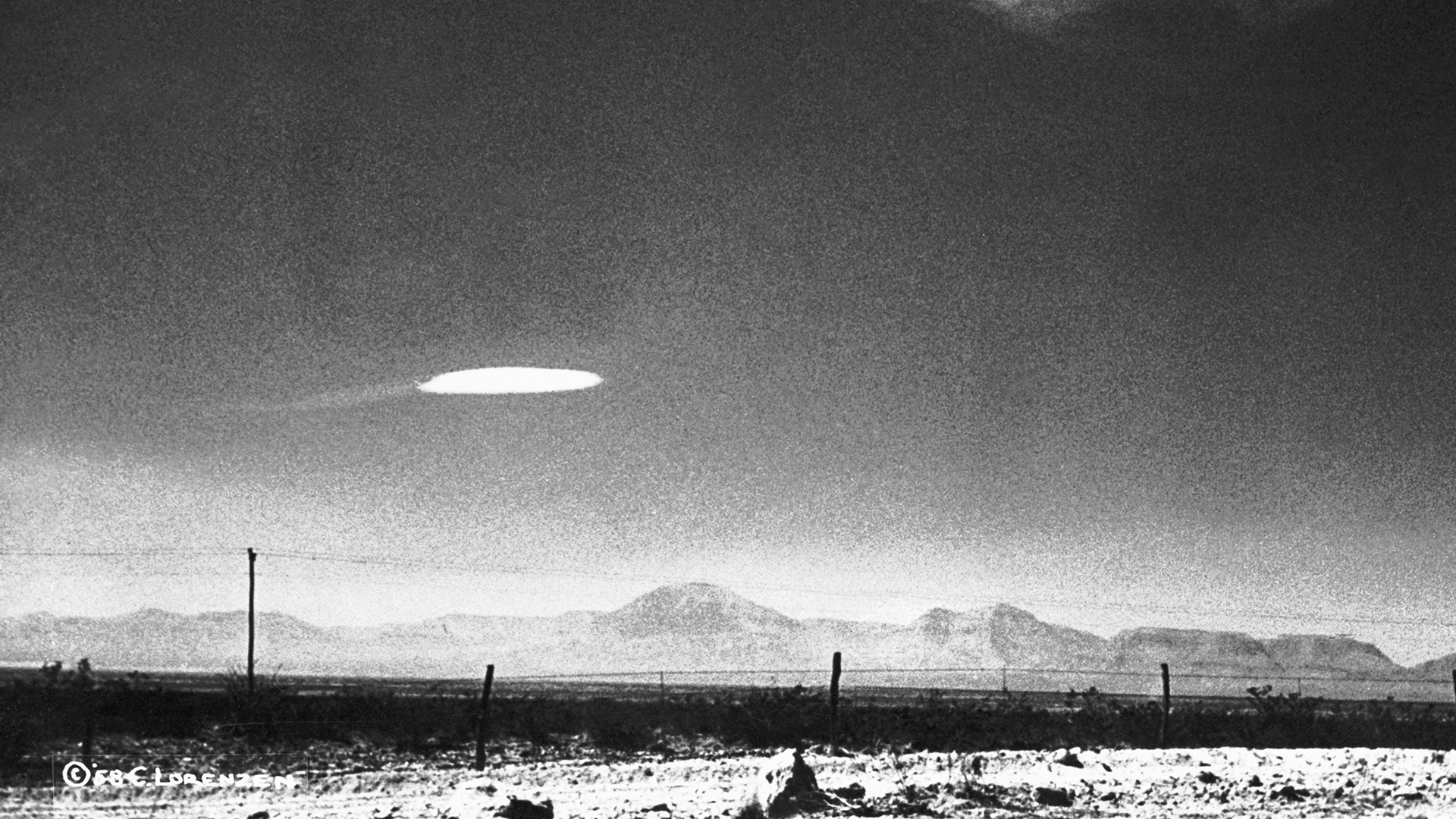
For anyone who has followed this story, the gap between the government’s stated commitments and the lived experience of researchers trying to access information is striking — and it raises real questions about what disclosure actually means in practice.
How UFO Research Became Official Government Business
The shift from fringe topic to federal mandate happened faster than most people realize. For decades, UAP — the term now used to cover unidentified aerial phenomena, objects in space, and anomalous underwater detections — were largely dismissed by official Washington. That changed significantly in the early 2020s.
Congress formally mandated UAP investigations through the National Defense Authorization Act in December 2022, giving the issue the weight of law rather than leaving it to the discretion of individual agencies. The Pentagon established an official investigative body to handle UAP reports. Then, in a move that signaled just how seriously the political establishment had come to take the subject, President Trump issued a directive in February 2026 ordering the Pentagon and other federal agencies to begin declassifying and releasing government files related to UAP.
That is an extraordinary sequence of events. The question is whether the formal machinery of government is actually following through — or whether the files, the data, and the answers researchers are looking for remain locked away behind classification walls and bureaucratic inertia.
The Gap Between Policy and Practice
Official mandates and real-world access are two very different things. Researchers and advocates who have tried to work within the system describe a pattern that many find deeply frustrating: high-level political commitments to transparency that do not translate into usable information at the working level.
This is not an entirely new problem in Washington. Classification systems, interagency disputes over what can be released, and the slow pace of declassification reviews have long made it difficult to access sensitive government records — even when those records are decades old. But the UAP situation carries an added layer of tension, because the subject involves active national security programs and potentially sensitive data about military capabilities and detection systems.
Supporters of greater UAP transparency argue that this is precisely the problem: the same security apparatus that was built to protect legitimate military secrets is being used, whether intentionally or not, to shield information that the public and independent researchers have a right to see.
What Is Actually Known — and What Remains Unclear
| Development | Date / Status |
|---|---|
| Congress mandates UAP investigations via National Defense Authorization Act | December 2022 |
| Pentagon establishes official UAP investigative body | Established following 2022 mandate |
| President Trump directs Pentagon and federal agencies to release UAP files | February 2026 |
| Researchers report ongoing difficulty accessing government UAP data | Ongoing |
The confirmed facts here are significant. Congress passed a law. The Pentagon created an investigative body. A sitting president issued a formal directive. These are not small things. They represent a level of institutional seriousness about UAP that would have seemed unimaginable twenty years ago.
What remains unclear is what the files actually contain, how quickly declassification will proceed, and whether the agencies involved will comply fully or find ways to limit what reaches the public. The history of government declassification efforts — from JFK assassination records to Cold War programs — suggests that “ordered to release” and “actually released” can be very different outcomes.
Why This Matters Beyond UFO Enthusiasts
It would be easy to frame this as a story for a niche audience. But the UAP debate touches on questions that matter to anyone interested in government accountability, scientific inquiry, and national security transparency.
- Scientific access: If unexplained phenomena are genuinely occurring in military airspace, researchers argue that independent scientists need access to the underlying data — not just curated summaries from agencies with their own institutional interests.
- Congressional authority: When Congress passes a law mandating an investigation and the executive branch moves slowly or incompletely, it raises broader questions about oversight and enforcement.
- Public trust: Decades of official dismissal followed by sudden acknowledgment have left many people skeptical of both extremes — the old denials and the new disclosures. Genuine transparency, advocates argue, is the only way to rebuild credibility.
- National security implications: Some UAP reports come from military pilots and involve objects detected near sensitive installations. Whether those objects are foreign technology, natural phenomena, or something else entirely, understanding them has real security implications.
What Comes Next in the UAP Disclosure Process
With Trump’s February 2026 directive now on the books, the immediate focus shifts to implementation. The Pentagon and other federal agencies are now formally on notice that UAP-related files should be released — but the directive does not eliminate classification reviews, interagency disputes, or the practical challenges of processing large volumes of sensitive records.
Observers who have followed the UAP policy space closely note that the coming months will be telling. If agencies move quickly and release substantive material, it would represent a genuine turning point. If the process bogs down in delays, redactions, and exemptions, it would suggest that the political commitment to transparency has not yet translated into institutional change.
For researchers who have spent years pressing for access, the current moment is both the most promising and the most uncertain in recent memory. The legal framework is in place. The political signals are stronger than they have ever been. Whether that is enough remains, for now, an open question.
Frequently Asked Questions
What did President Trump order regarding UFO files?
In February 2026, President Trump directed the Pentagon and other federal agencies to begin releasing government files related to UFOs and unidentified anomalous phenomena (UAP).
When did Congress formally mandate UAP investigations?
Congress mandated UAP investigations through the National Defense Authorization Act, passed in December 2022.
Does the U.S. government have an official body investigating UAP?
Yes. The Pentagon established an official UAP investigative body following the 2022 congressional mandate.
Why are researchers having trouble accessing UAP information despite official mandates?
Researchers report ongoing difficulty accessing government data, suggesting that formal political commitments to transparency have not yet fully translated into practical access — a pattern consistent with broader challenges in government declassification efforts.
What does UAP stand for and why is it used instead of UFO?
UAP stands for unidentified anomalous phenomena. The term is now used officially to cover a broader range of unexplained detections, including aerial, space-based, and underwater observations.


Leave a Reply