
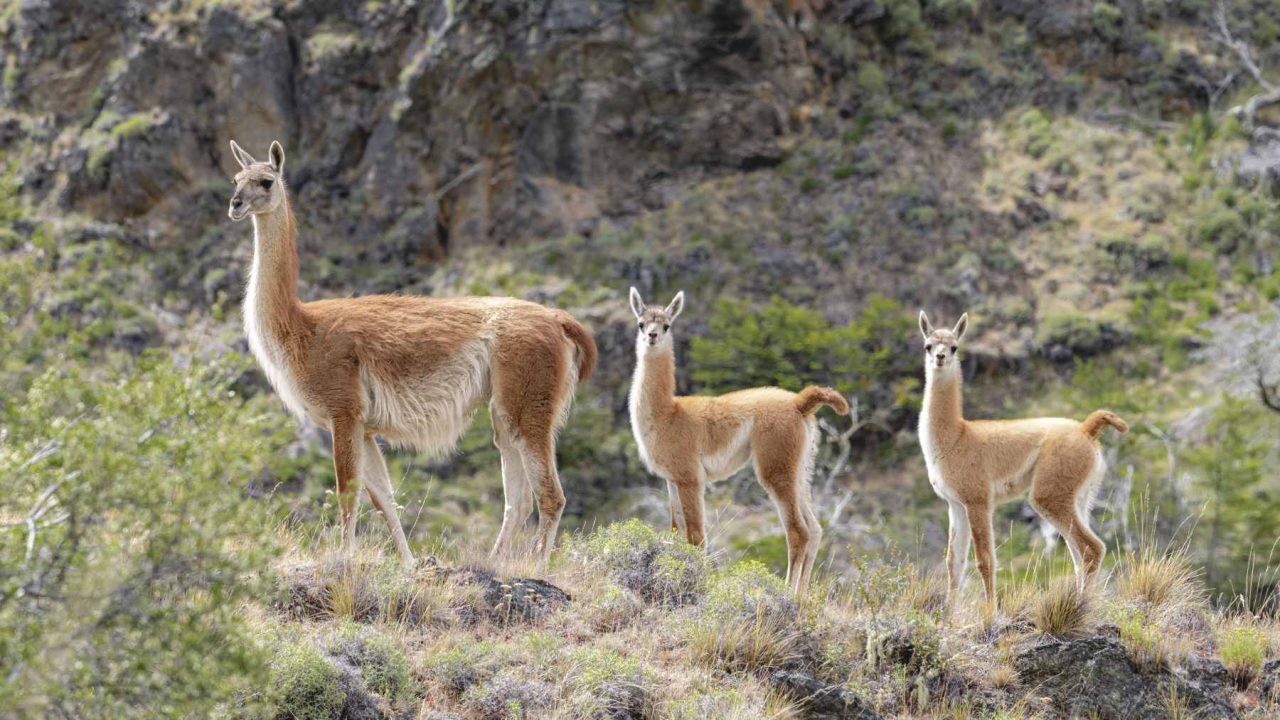
For the first time in roughly 110 years, guanacos are walking the land of Parque Nacional El Impenetrable in northern Argentina — and conservationists say the ecosystem is already responding. This isn’t a symbolic gesture or a photo opportunity. It’s one of the most ambitious wildlife reintroductions in South American history, and the ecological ripple effects are being watched closely from day one.
The animals were transported approximately 3,200 kilometers (about 1,988 miles) from Parque Patagonia in the southern province of Santa Cruz to reach their new home in the Dry Chaco. That’s a journey spanning nearly the full length of Argentina — a logistical undertaking that required careful planning and coordination to pull off safely.
The guanaco had simply vanished from this region. Not recently, not within living memory — but over a century ago. Getting them back isn’t just a conservation win. According to officials and conservationists involved in the effort, it’s about restoring the ecological work that only this animal can do.
Why the Guanaco Disappeared from the Chaco in the First Place
The guanaco wasn’t driven out by a single cause. Its disappearance from the Dry Chaco was the result of several pressures building over decades: hunting, the spread of livestock farming, loss of native grasslands, and the poor management of fire across the region.
Piece by piece, the habitat that once supported large herds of these wild relatives of the llama was transformed or degraded. Eventually, the species was gone from the Chaco entirely — leaving a gap in the food web and in the land itself that went unfilled for more than a century.
What makes this loss particularly significant is how deeply the guanaco was woven into the cultural fabric of the region’s Indigenous communities. Known as “Nawananga” by Qom communities, the animal also carries distinct names among the Wichi and Guaraní peoples — a sign of just how long and how meaningfully humans and guanacos coexisted in this landscape before the species disappeared.
What Guanacos Actually Do for an Ecosystem
This is the part of the story that goes beyond the headline. Bringing back a large herbivore after 110 years isn’t just about filling a gap on a species list. Officials and conservationists say the guanaco performs specific ecological functions that reshape the environment around it.
- Grazing and vegetation control: Guanacos feed on grasses and shrubs, which helps regulate plant growth and prevents any single species from dominating the landscape.
- Seed dispersal: As they move through the terrain, guanacos carry and deposit seeds, helping native plants spread across the Chaco.
- Nutrient movement: Their grazing and movement cycles redistribute nutrients through the soil in ways that support broader plant and animal communities.
- Fire risk reduction: One of the most pressing benefits noted by conservationists is the guanaco’s role in reducing dry plant buildup — the accumulated dry vegetation that acts as fuel during wildfires across the Dry Chaco.
- Food web rebuilding: As a large herbivore, the guanaco supports predator populations and creates a more balanced, resilient food web.
Each of these functions compounds over time. The longer guanacos are present, the more the landscape around them shifts — and officials involved in the project say that process has already begun.
The Scale of What Was Required to Make This Happen
Getting guanacos back into the Chaco required solving a problem that doesn’t have an obvious answer: how do you safely move wild animals nearly 2,000 miles across a country and release them into a habitat they haven’t occupied for over a century?
| Detail | Information |
|---|---|
| Species reintroduced | Guanaco (Lama guanicoe) |
| Destination | Parque Nacional El Impenetrable, northern Argentina |
| Origin of animals | Parque Patagonia, Santa Cruz province |
| Distance transported | Approximately 3,200 km (about 1,988 miles) |
| Years absent from the Chaco | Approximately 110 years |
| Indigenous name (Qom communities) | Nawananga |
| Ecosystem | Dry Chaco — open grasslands and savanna-like habitats |
The planning required to execute this kind of translocation — capturing animals safely, transporting them across that distance, and releasing them into suitable habitat — represents years of groundwork before a single guanaco set foot in the Chaco.
Why This Matters Beyond Argentina’s Borders
The Dry Chaco is one of South America’s largest and most threatened ecosystems. It stretches across parts of Argentina, Paraguay, and Bolivia, and it has faced significant deforestation and degradation for decades. Restoring a keystone herbivore to even a portion of this ecosystem is the kind of intervention that ecologists pay close attention to globally.
Advocates argue that large-scale reintroductions like this one demonstrate what is possible when conservation planning is treated as a long-term ecological project rather than a short-term publicity effort. The guanaco’s return to El Impenetrable is being watched as a potential model for how degraded ecosystems can be rebuilt — not just protected in their current diminished state, but actively restored toward something closer to their original function.
The fire risk angle is particularly relevant right now. Wildfires across the Chaco have intensified in recent years, and the dry plant buildup that guanacos naturally reduce has been identified as a contributing factor. Having large grazers back on the land could, over time, help lower that risk in ways that human management alone cannot replicate.
What Comes Next for the Guanacos — and the Chaco
The reintroduction is confirmed and the animals are now in place, but the work is far from finished. Wildlife reintroductions succeed or fail based on what happens after release — whether animals establish territories, find food, avoid threats, and eventually reproduce.
Officials and conservationists involved in the project will be monitoring how the guanacos adapt to their new environment and tracking early signs of ecological change. The goal is not just survival of the individual animals, but the gradual reestablishment of a self-sustaining population capable of doing the ecological work that has been missing from this landscape for over a century.
The Dry Chaco has been waiting 110 years for this. By most accounts, it didn’t wait in vain.
Frequently Asked Questions
What animal was reintroduced to Argentina’s Chaco after 110 years?
The guanaco, a large native South American herbivore related to the llama, was reintroduced to Parque Nacional El Impenetrable in northern Argentina’s Dry Chaco.
Where did the guanacos come from?
The animals were transported from Parque Patagonia in the province of Santa Cruz, traveling approximately 3,200 kilometers (about 1,988 miles) to reach their new home.
Why did guanacos disappear from the Chaco in the first place?
A combination of hunting, livestock expansion, grassland loss, and poor fire management gradually pushed guanacos out of the Dry Chaco region over the course of many decades.
What ecological role do guanacos play in the Chaco?
Guanacos help reshape vegetation through grazing, disperse seeds, redistribute nutrients, reduce dry plant buildup that fuels wildfires, and support the rebuilding of food webs in the ecosystem.
What do Indigenous communities call the guanaco?
Qom communities know the guanaco as “Nawananga,” and the animal also carries distinct names among the Wichi and Guaraní peoples of the region.</p



Leave a Reply