
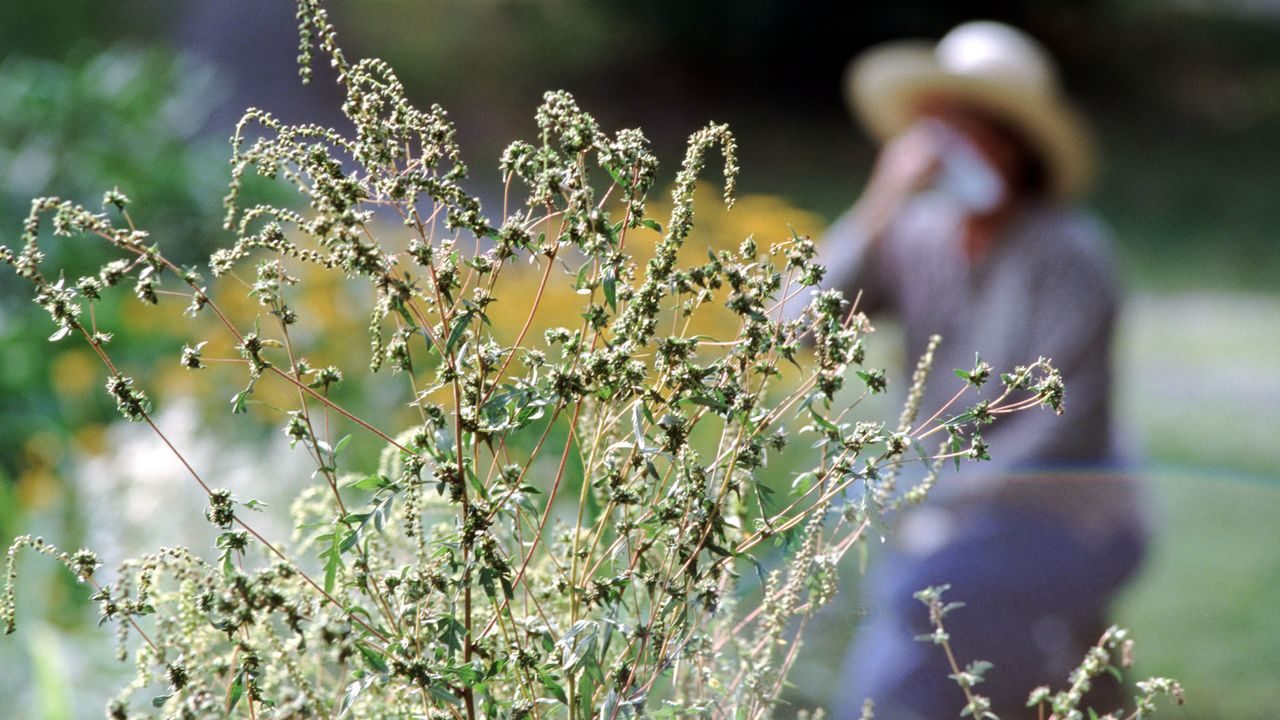
Spring is supposed to be one of the best times of year — longer days, warmer air, flowers coming back to life. But for millions of people, it also means weeks of misery: a constantly runny nose, eyes that won’t stop itching, a scratchy throat, and sneezes that seem to come from nowhere. Hay fever, also known as allergic rhinitis, has a way of taking the joy out of the season entirely.
The good news is that pollen doesn’t have to win. There are practical, everyday steps you can take to reduce how much of it reaches you — and how badly it affects you when it does. None of them require a prescription. Most of them cost very little. And some of them you can start doing today.
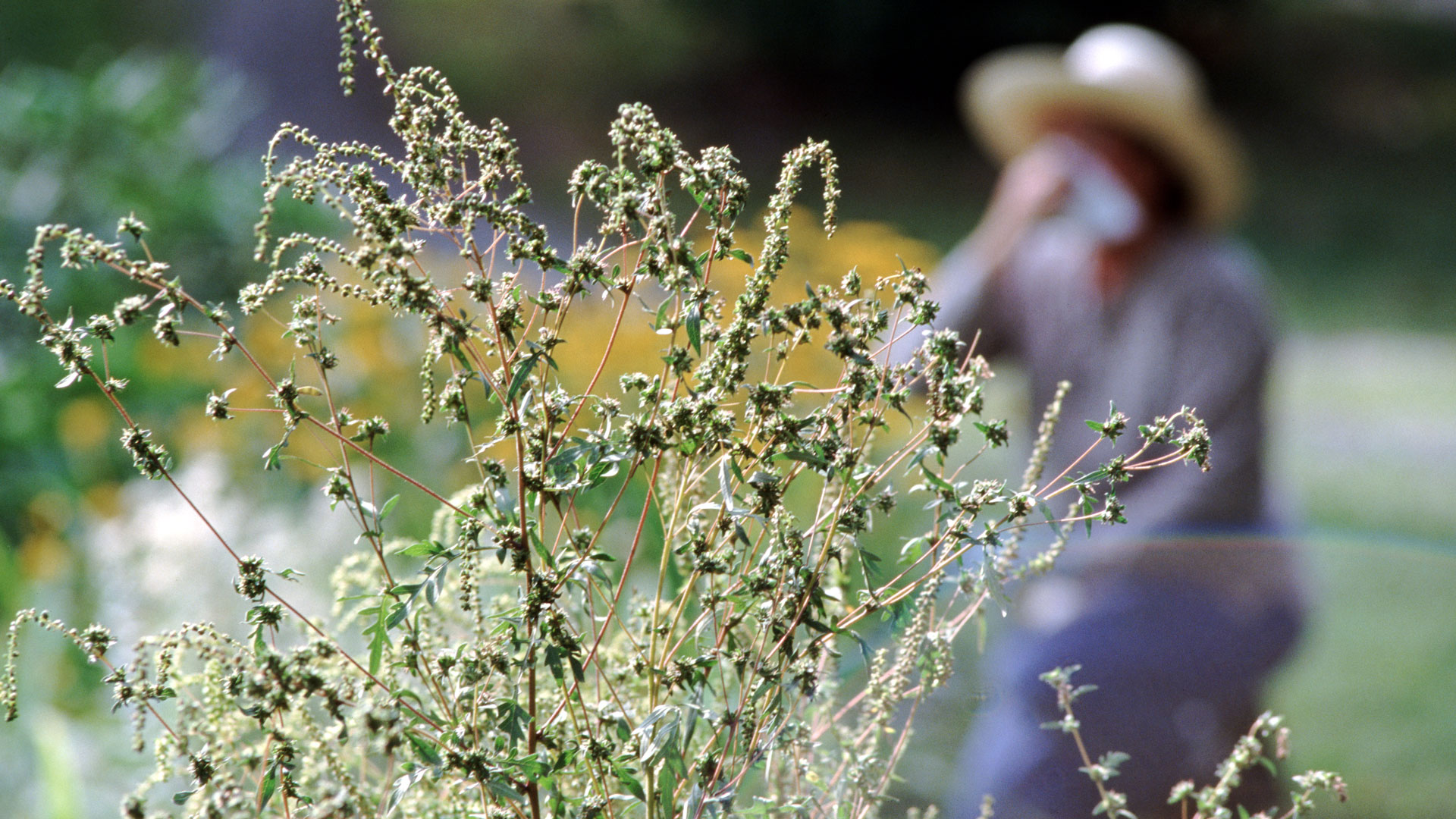
Here’s what actually helps when hay fever season hits hard.
Why Hay Fever Gets Worse When the Weather Improves
It might feel cruel that the symptoms get worse precisely when you most want to be outside — but there’s a straightforward reason for it. As temperatures rise in spring, trees, grasses, and plants begin releasing pollen into the air. The warmer and drier the day, the higher the pollen count tends to be. Wind carries those particles across long distances, meaning you don’t even need to be near a garden or park to be affected.
Common hay fever symptoms include a runny nose, itchy eyes, sore throats, coughs, and sneezing. For people with existing respiratory conditions, pollen season can also make breathing more difficult. The key to managing it isn’t just treating symptoms after they appear — it’s reducing your exposure to pollen in the first place.
That means making some adjustments to your home, your habits, and even your laundry routine.
The 5 Tips That Can Actually Make a Difference for Hay Fever Sufferers
These five approaches target the most common ways pollen gets into your life — and your lungs.
- Keep your windows closed — especially on high pollen days. It’s tempting to let fresh air in when the weather is nice, but open windows are essentially an open invitation for pollen to settle inside your home. On days when the pollen count is elevated, keeping windows shut can significantly reduce the amount of allergen circulating indoors.
- Use an air purifier — a good quality air purifier can filter out airborne pollen particles from inside your home, making the air cleaner to breathe. This is particularly useful in bedrooms, where you spend hours at a time and where uninterrupted sleep matters.
- Change your clothes after being outside — pollen clings to fabric. When you come in from outdoors, especially after spending time in a garden, park, or any green space, changing out of those clothes prevents you from carrying pollen further into your home and onto your furniture.
- Dry laundry indoors — hanging clothes outside to dry might feel like the natural thing to do in warmer weather, but it means pollen settles directly onto your bedsheets, towels, and clothes. Drying laundry indoors keeps those items pollen-free.
- Use a vacuum cleaner with HEPA filters — pollen that makes it inside your home doesn’t just float in the air. It settles into carpets, rugs, and soft furnishings. A vacuum fitted with a HEPA (High-Efficiency Particulate Air) filter traps those fine particles rather than recirculating them back into the air as you clean.
A Quick Look at Each Tip and What It Targets
| Tip | What It Addresses | Where It Helps Most |
|---|---|---|
| Keep windows closed | Airborne pollen entering the home | Living areas, bedrooms |
| Use an air purifier | Pollen particles already in indoor air | Bedrooms, home offices |
| Change clothes after going outside | Pollen carried in on fabric | Hallways, living spaces |
| Dry laundry indoors | Pollen settling on washed items | Bedding, towels, clothing |
| Vacuum with HEPA filters | Pollen trapped in carpets and soft furnishings | Floors, rugs, upholstery |
How These Changes Affect Your Daily Life
The real value of these tips is that they work together. Closing your windows reduces how much pollen gets in. An air purifier handles what slips through anyway. Changing your clothes stops you from spreading it around once you’re home. Drying laundry indoors protects the items closest to your body. And a HEPA vacuum cleans up what eventually settles.
Individually, each step offers some relief. Combined, they can meaningfully reduce the total pollen load you’re exposed to every day — which is ultimately what determines how severe your symptoms become.
It’s also worth noting that these are habits, not one-time fixes. The more consistently you apply them throughout pollen season, the more effective they tend to be. Hay fever symptoms often build up with repeated exposure, so reducing that exposure day after day adds up.
Making It Through Pollen Season Without the Misery
Hay fever season doesn’t have a definitive end date you can circle on a calendar — it shifts depending on which plants are pollinating, the weather patterns in your area, and how sensitive your immune system is. For some people, symptoms begin in early spring with tree pollen. For others, grass pollen later in the season is the main trigger.
That’s why building these habits into your routine matters more than trying to apply them only on days when you already feel awful. By the time symptoms are bad, significant exposure has already happened. The goal is to stay ahead of it.
None of these tips require dramatic lifestyle changes. Closing a window, switching on an air purifier, or tossing your jacket in the wash when you get home are small adjustments — but for anyone who has spent a spring sneezing their way through every sunny day, small adjustments can feel like a very big deal.
Frequently Asked Questions
What are the most common hay fever symptoms?
Hay fever typically causes a runny nose, itchy eyes, sore throat, coughing, and sneezing. Symptoms often worsen as the weather improves and pollen counts rise.
Why does hay fever get worse in spring?
As temperatures rise in spring, plants release more pollen into the air. Warmer, drier, and windier conditions tend to push pollen counts higher, increasing exposure for those who are sensitive to it.
Does keeping windows closed really help with hay fever?
Yes — keeping windows closed is one of the most direct ways to reduce how much airborne pollen enters your home, particularly on high pollen count days.
Why should I dry laundry indoors during pollen season?
Clothes and bedding dried outside can collect pollen that then comes into direct contact with your skin and airways. Drying laundry indoors keeps those items pollen-free.
What makes HEPA filter vacuums better for hay fever sufferers?
Standard vacuums can recirculate fine particles — including pollen — back into the air. HEPA filters are designed to trap those particles rather than release them, making them more effective for allergy management.
Can these tips completely eliminate hay fever symptoms?
These tips are designed to reduce pollen exposure and lessen the severity of symptoms, but they are unlikely to eliminate hay fever entirely. For severe symptoms, consulting a healthcare professional about additional treatment options is advisable.




Leave a Reply