
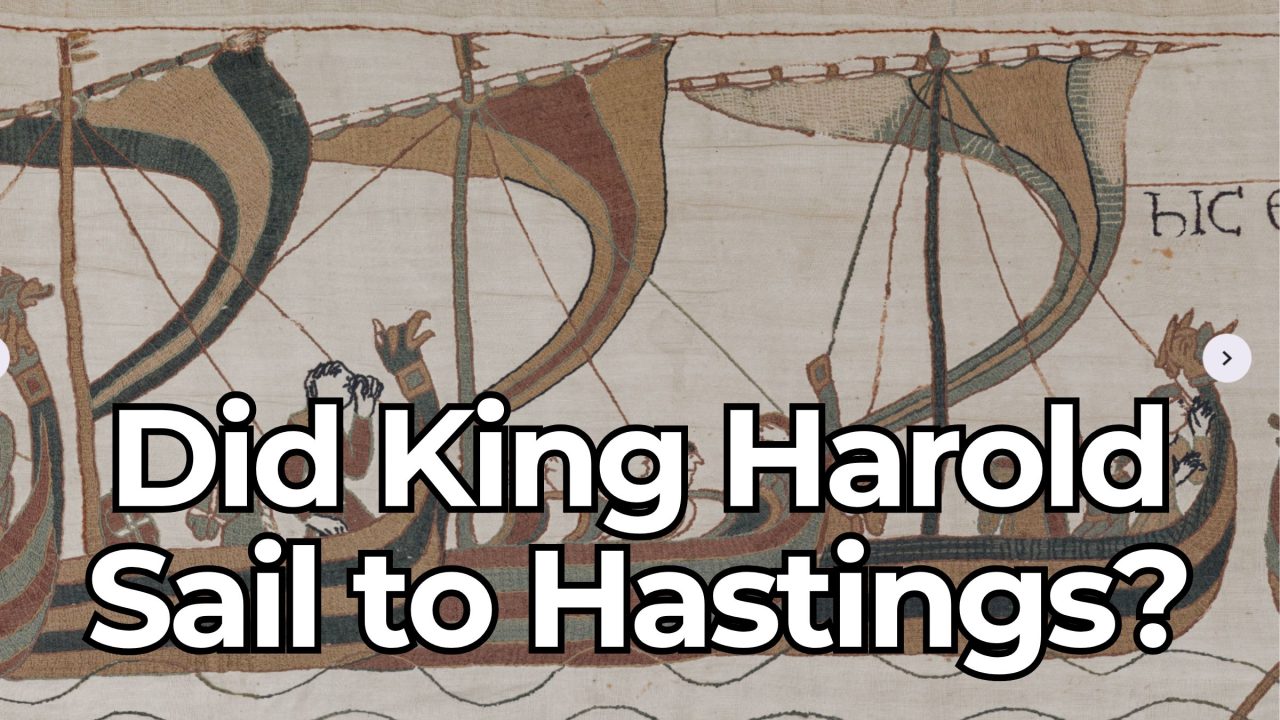
What if one of the most dramatic stories in English history — a king racing his exhausted army nearly 200 miles on foot to fight the battle that would change everything — never actually happened that way? A new academic study is raising exactly that question, and it’s already shaking up how historians think about 1066.
Research led by Professor Tom Licence of the University of East Anglia argues that the legendary “forced march” King Harold II supposedly made from northern England to Hastings after the Battle of Stamford Bridge may be built on a fundamental misreading of the historical record. According to Licence’s findings, much of that journey may have been made by sea rather than overland — a claim that challenges a story generations of schoolchildren have been taught as settled fact.
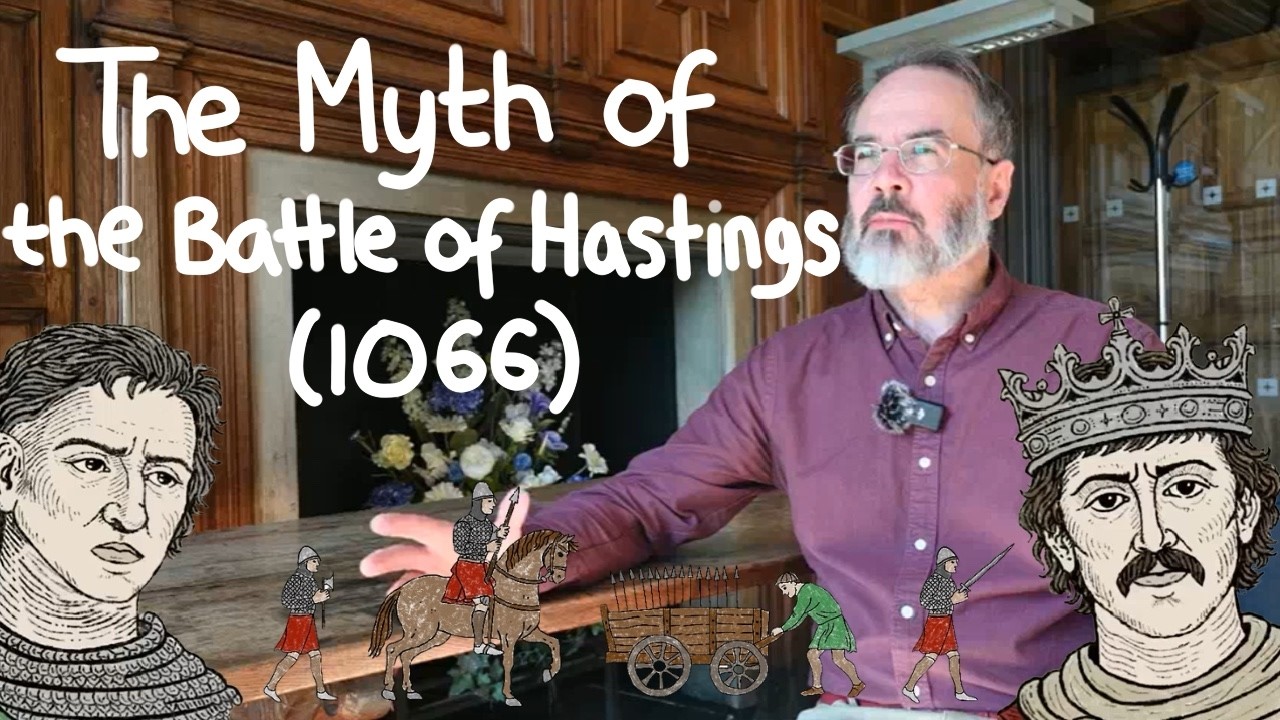
The study has already attracted significant attention, with major outlets including The Guardian and The New York Times reporting on the findings. And the timing couldn’t be more pointed: the Bayeux Tapestry is set to be displayed at the British Museum later this year, bringing renewed public focus to the events of the Norman Conquest.
The Story Everyone Knows — and Why Licence Is Questioning It
The standard account of the lead-up to the Battle of Hastings goes something like this: Harold defeats the Norwegian king Harald Hardrada at Stamford Bridge in late September 1066. Days later, he learns that William of Normandy has landed on the southern coast of England. Harold then drives his army south at breakneck pace — nearly 200 miles — arriving at Hastings exhausted but determined.
This supposed march has long been framed as one of history’s great feats of military endurance. It’s also been used to explain why Harold lost — his men were worn down, the argument goes, and had no time to rest before facing William’s fresh forces.
Licence’s research challenges this narrative at its source. His argument centers on a close reading of the Anglo-Saxon Chronicle, one of the most important primary sources for this period. According to the Chronicle, Harold’s ships “came home” — a phrase that, Licence argues, later historians misread or overlooked in ways that allowed the overland march story to calcify into accepted fact.
The implication is significant: if Harold’s forces traveled by sea — at least in substantial part — then the image of a desperate, exhausted army stumbling toward Hastings may be more myth than history.
What the Research Actually Claims
It’s worth being precise about what the study does and doesn’t argue. Licence is not claiming that Harold teleported to Hastings or that no overland travel occurred at all. The core claim is that the forced march narrative — the idea of a grueling, rapid foot journey as the primary means of getting Harold’s army south — is not supported by contemporary evidence and may be a later invention.
The research points to the Anglo-Saxon Chronicle’s reference to ships as evidence that sea transport played a meaningful role in Harold’s movement. This would have been entirely plausible given England’s geography and the naval capabilities of the period — coastal and river routes were well-established means of moving troops quickly.
What makes this debate particularly interesting is that it’s not just an academic quibble over logistics. If Harold’s army arrived by sea in better condition than the traditional story suggests, the entire explanation for why he lost at Hastings may need rethinking.
Key Claims at the Center of the Debate
| Traditional Account | Licence’s Challenge |
|---|---|
| Harold marched nearly 200 miles on foot from northern England to Hastings | Much of the journey may have been made by sea |
| The forced march is well-documented in contemporary sources | The story may rest on a misreading of the Anglo-Saxon Chronicle |
| Harold’s army arrived exhausted, contributing to his defeat | If sea travel was used, the exhaustion narrative may need revision |
| The march is a defining episode of English history | It may be a later invention rather than a contemporary account |
- The research was led by Professor Tom Licence of the University of East Anglia
- The key primary source in dispute is the Anglo-Saxon Chronicle
- The phrase “came home” in the Chronicle is central to Licence’s reinterpretation
- Coverage has appeared in The Guardian and The New York Times
- The findings are already prompting debate among historians
Why This Matters Beyond the Classroom
For most people, 1066 is the one date from medieval history that sticks. The Norman Conquest reshaped the English language, the legal system, the aristocracy, and the very identity of the nation. The Battle of Hastings sits at the center of all of it.
Stories about how and why Harold lost have shaped everything from military history textbooks to popular novels to television documentaries. If the exhaustion narrative turns out to be a later invention rather than a documented fact, it doesn’t just change a footnote — it changes the story of one of the most consequential days in British history.
There’s also a broader point here about how history gets made. Licence’s research is a reminder that even the most familiar “facts” can turn out to rest on surprisingly thin foundations — and that primary sources, read carefully, can still surprise us nearly a thousand years later.
What Comes Next for This Debate
The research is already generating pushback and discussion among medievalists, which is exactly what serious historical revisionism is supposed to do. Whether Licence’s interpretation ultimately gains wider acceptance will depend on how other scholars engage with his reading of the Anglo-Saxon Chronicle and any additional evidence that emerges.
The timing of the Bayeux Tapestry’s planned display at the British Museum adds a public dimension to what might otherwise be a purely academic argument. With millions of people likely to engage with the tapestry and the story of 1066 this year, questions about what we actually know — versus what we’ve assumed — are likely to reach a much wider audience than usual.
For now, the forced march remains one of history’s most debated short journeys.
Frequently Asked Questions
Who led the new research on King Harold’s march to Hastings?
The research was led by Professor Tom Licence of the University of East Anglia.
What is the main claim of the study?
The study argues that the famous “forced march” Harold supposedly made from northern England to Hastings may not be supported by contemporary evidence, and that much of the journey could have been made by sea.
What historical source is at the center of the debate?
The Anglo-Saxon Chronicle is the key primary source. Licence argues that the phrase “came home,” referring to Harold’s ships, has been misread or overlooked by later historians.
Has this research been widely reported?
Yes. Major outlets including The Guardian and The New York Times have already covered the findings.
Is the Bayeux Tapestry connected to this story?
The Bayeux Tapestry is set to be displayed at the British Museum later this year, which has contributed to renewed public interest in the events of 1066 and the Norman Conquest.</p

Leave a Reply