
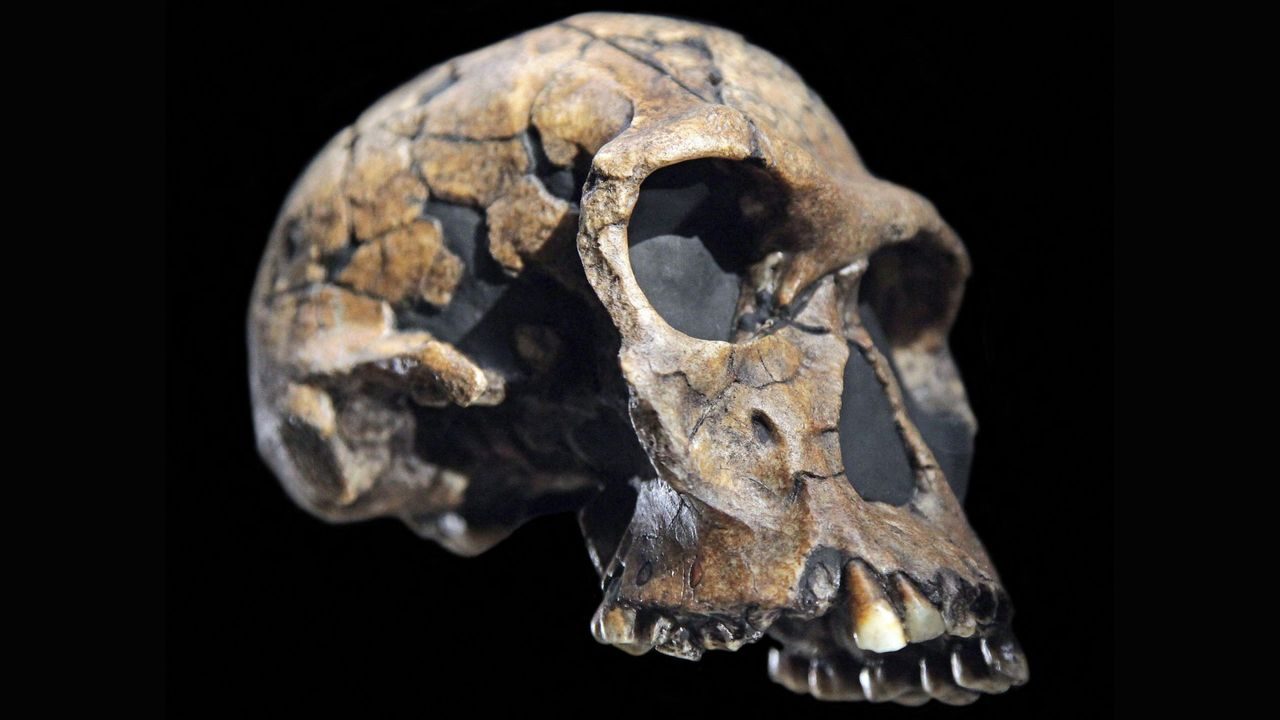
For 60 years, scientists have called Homo habilis the earliest known member of our human family. But here’s the uncomfortable question that anthropologists have never fully resolved: should it even be called human at all?
The species was formally added to the human family tree in 1964, making it the oldest named member of the genus Homo. It lived roughly between 2.4 million and 1.65 million years ago — a vast stretch of prehistoric time that spans nearly a million years. And yet, despite six decades of study, scientists still argue fiercely about what this creature actually was.
Part of the problem has always been a lack of evidence. Until recently, researchers were working from only three very incomplete fossilized skeletons. Drawing firm conclusions about an entire species from such fragmentary remains is, to put it mildly, difficult. Now, a fourth skeleton has entered the picture — and it’s raising as many questions as it answers.
What Is Homo Habilis and Why Does the Debate Matter
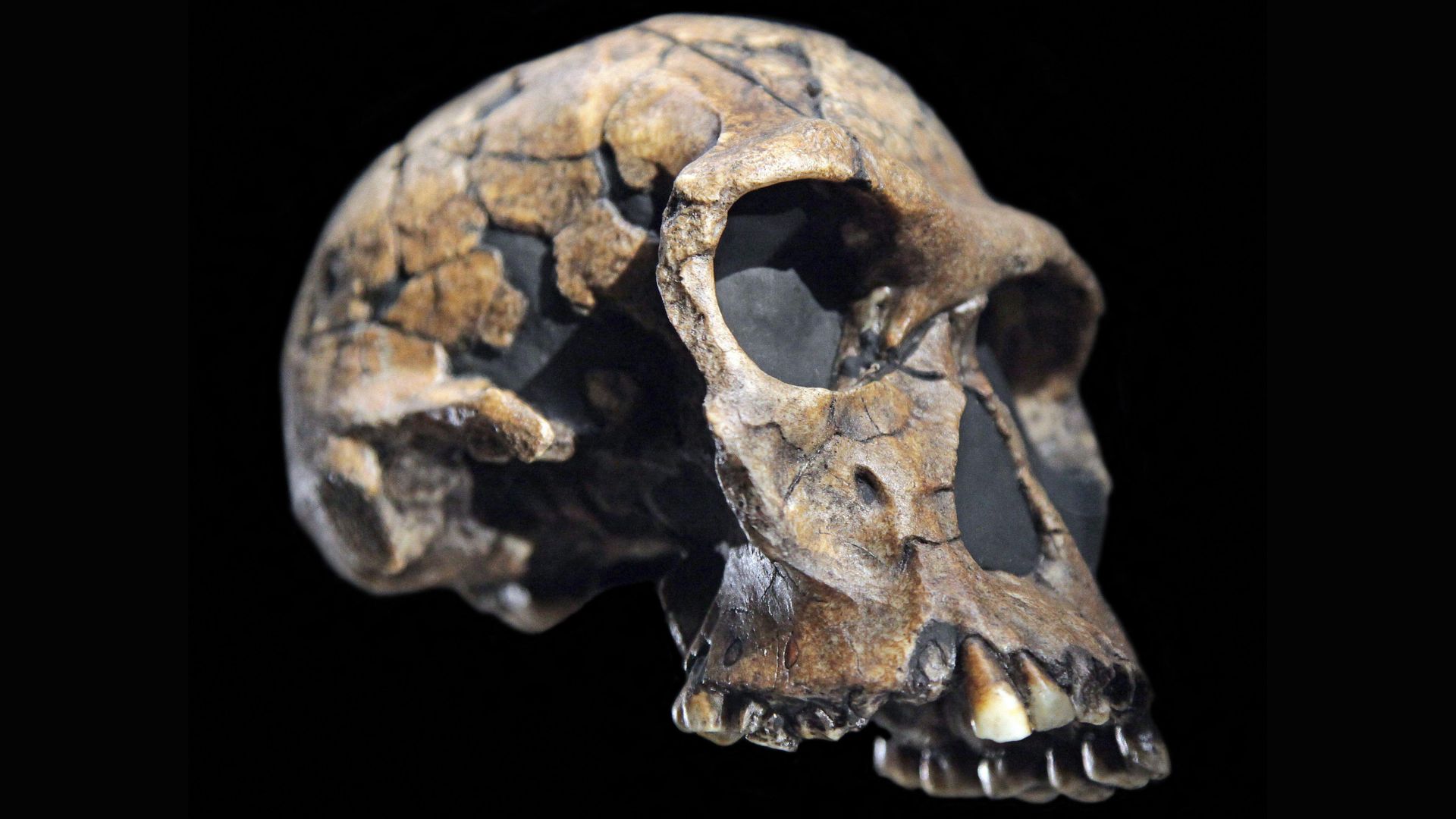
Homo habilis, whose name roughly translates to “handy man,” sits at one of the most contested crossroads in human evolutionary history. It occupies the murky boundary between our more ape-like predecessors and the creatures scientists confidently classify as human. Where exactly it falls on that line has never been agreed upon.
The classification debate isn’t just academic hair-splitting. How scientists define the genus Homo — what traits qualify a species as “human” — shapes our entire understanding of when and how humanity began. If Homo habilis doesn’t truly belong in the Homo genus, then the starting point of the human lineage shifts forward in time, and the story of our origins changes with it.
Anthropologists have long been divided on this. Some researchers argue that Homo habilis shares enough key features with later human species to justify its place in the genus. Others contend that its anatomy is too primitive, too similar to earlier australopithecines — the group that includes the famous Australopithecus afarensis, better known through the fossil “Lucy” — to be called human in any meaningful sense.
The Problem With Building a Picture From Almost Nothing
The core challenge has always been the fossil record itself. Three incomplete skeletons is an extraordinarily thin basis on which to define and defend an entire species, let alone one positioned at the very root of the human family tree.
Incomplete fossils create incomplete portraits. Researchers can debate endlessly about whether a particular jaw fragment or limb bone reflects a truly human characteristic or an ancestral one — and without more complete specimens, those debates tend to circle without resolution.
The announcement in January of a fourth fossilized skeleton — described as more complete than the previous three — represents a genuine step forward. More complete remains give scientists more data points to work with, more anatomy to compare, and potentially clearer answers about where this species truly belongs.
Key Facts About Homo Habilis at a Glance
| Feature | Detail |
|---|---|
| Species name | Homo habilis |
| Added to human family tree | 1964 |
| Time period | Approximately 2.4 million to 1.65 million years ago |
| Previously known skeletons | Three very incomplete fossilized skeletons |
| New discovery | A fourth, more complete skeleton described in January |
| Classification status | Disputed — anthropologists divided on genus placement |
- Homo habilis is officially recognized as the earliest named species within the genus Homo.
- Its classification has been contested since shortly after its discovery, with some researchers arguing it belongs outside the Homo genus entirely.
- The species lived for nearly a million years, an unusually long span by hominin standards.
- The thin fossil record has historically made it difficult to resolve debates about its anatomy and classification.
- A newly described fourth skeleton offers researchers more complete anatomical data than previously available.
Why This Question Touches Everyone Interested in Human Origins
The reclassification debate around Homo habilis isn’t a niche dispute confined to academic journals. It goes to the heart of one of the most fundamental questions humans ask: where did we come from, and when did we truly become human?
If the species is eventually moved out of the Homo genus, the implications ripple outward. Textbooks would need rewriting. Museum displays would need updating. The popular understanding of human prehistory — already difficult for most people to grasp — would shift in a significant way.
More practically, it would mean that the true origin point of humanity is more recent than currently taught, and that the creatures living 2.4 million years ago were not, in any scientifically meaningful sense, human.
On the other hand, if the new, more complete skeleton confirms that Homo habilis does belong in our genus, it would help close a debate that has dragged on for six decades and give scientists a firmer foundation for understanding the early chapters of human evolution.
What Comes Next for This Ancient Mystery
The description of the fourth skeleton, announced in January, marks the beginning of a new phase in Homo habilis research rather than the end of it. A more complete fossil means more detailed analysis, more comparisons with other hominin species, and potentially more pointed arguments on both sides of the classification debate.
Anthropologists will be scrutinizing the new remains carefully, looking at bone structure, limb proportions, and cranial features to determine how closely this individual resembles later, unambiguously human species — and how much it still looks like something older and more primitive.
Whether the new skeleton ultimately settles the debate or simply adds new complexity to it remains to be seen. What’s clear is that after 60 years, the question of whether Homo habilis is truly human is very much still open.
Frequently Asked Questions
When was Homo habilis first classified as a human species?
Homo habilis was added to the human family tree in 1964, making it the earliest named member of the genus Homo.
How long ago did Homo habilis live?
The species lived approximately between 2.4 million and 1.65 million years ago, a span of nearly a million years.
Why do some scientists question whether Homo habilis is truly human?
Some anthropologists argue that its anatomy is too primitive and too similar to earlier, non-human ancestors to justify its placement in the genus Homo, though the scientific community remains divided.
How many Homo habilis skeletons have been found?
Until recently, only three very incomplete fossilized skeletons were known. A fourth, described as more complete, was announced in January.
Could Homo habilis be reclassified out of the human genus?
It is a genuine possibility that researchers continue to debate, though no formal reclassification has been confirmed based on the available source material.
Will the new fourth skeleton resolve the debate?
The new skeleton provides more complete anatomical data than previously available, but whether it will settle the long-running classification dispute has not yet been determined.




Leave a Reply