
Of all the species that have ever walked this planet, only one figured out how to thrive in frozen tundras, scorching deserts, dense rainforests, and high-altitude mountain ranges — sometimes all within the same generation. That species is us. And according to a new book by an evolutionary anthropologist, the reason comes down to a single defining trait: our extraordinary ability to adapt.
The question isn’t just why humans are interesting. It’s why there are nearly 9 billion of us — and not 9 billion of some other primate. That gap, researchers argue, tells you almost everything about what makes Homo sapiens genuinely unique in the animal kingdom.
Herman Pontzer, a professor of evolutionary anthropology, explores exactly this in his new book, Adaptable: How Your Unique Body Really Works and Why Our Biology Unites Us, published by Penguin Random House in 2025. It’s a sweeping look at human biology — and a compelling argument that adaptability isn’t just a feature of our species. It may be our defining superpower.
What “Adaptability” Actually Means for Homo Sapiens
When scientists talk about human adaptability, they don’t just mean that we’re clever or resourceful — though we are. They mean something deeper: that humans have evolved, both biologically and culturally, to survive and reproduce across an almost impossibly wide range of environments.
Other primates are remarkable creatures. Chimpanzees are strong, social, and highly intelligent. Gorillas are physically imposing. Orangutans are skilled problem-solvers. But none of them colonized the Arctic. None built shelters in the Sahara or farmed crops at 14,000 feet above sea level. Humans did all of that — and more.
The key, according to Pontzer’s work, lies in the combination of gradual biological changes and our uniquely human knack for developing new technologies. Clothes, shelter, fire, agriculture — each of these innovations extended the range of environments where humans could not just survive, but thrive. Biology and culture, working together, created a species with no real geographic ceiling.
The Research Behind the Book — and What the Hadza Revealed
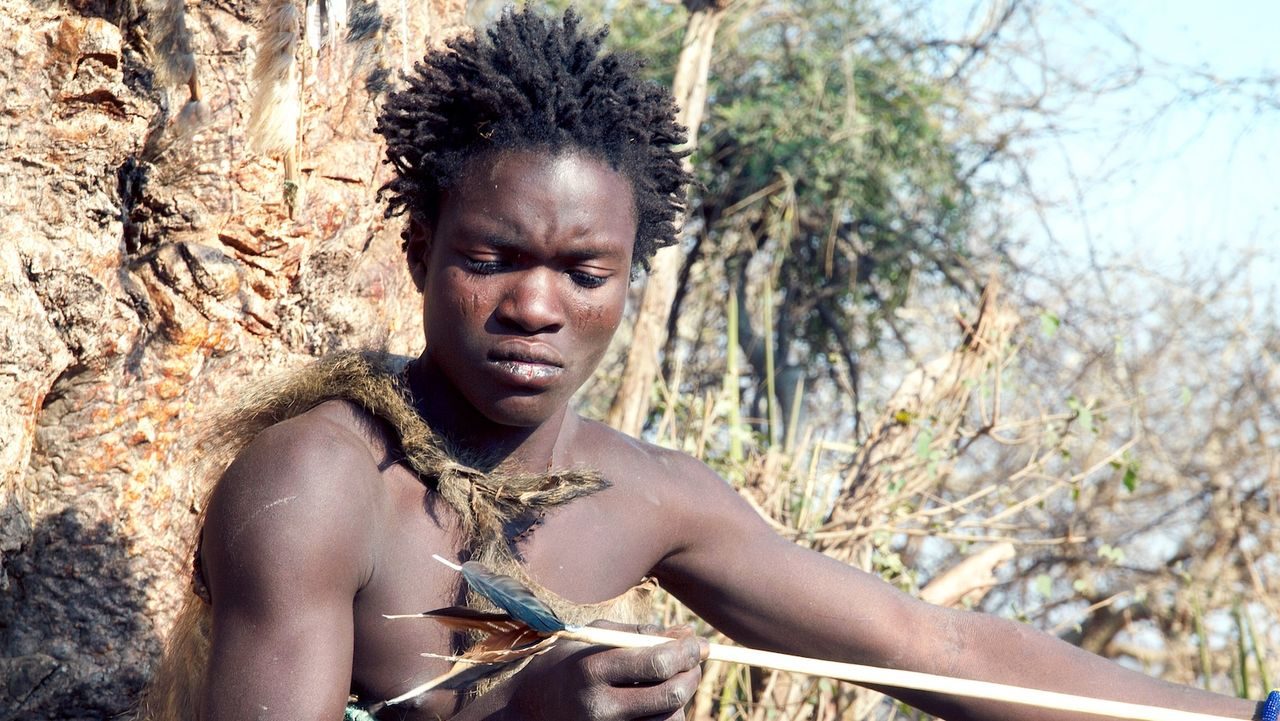
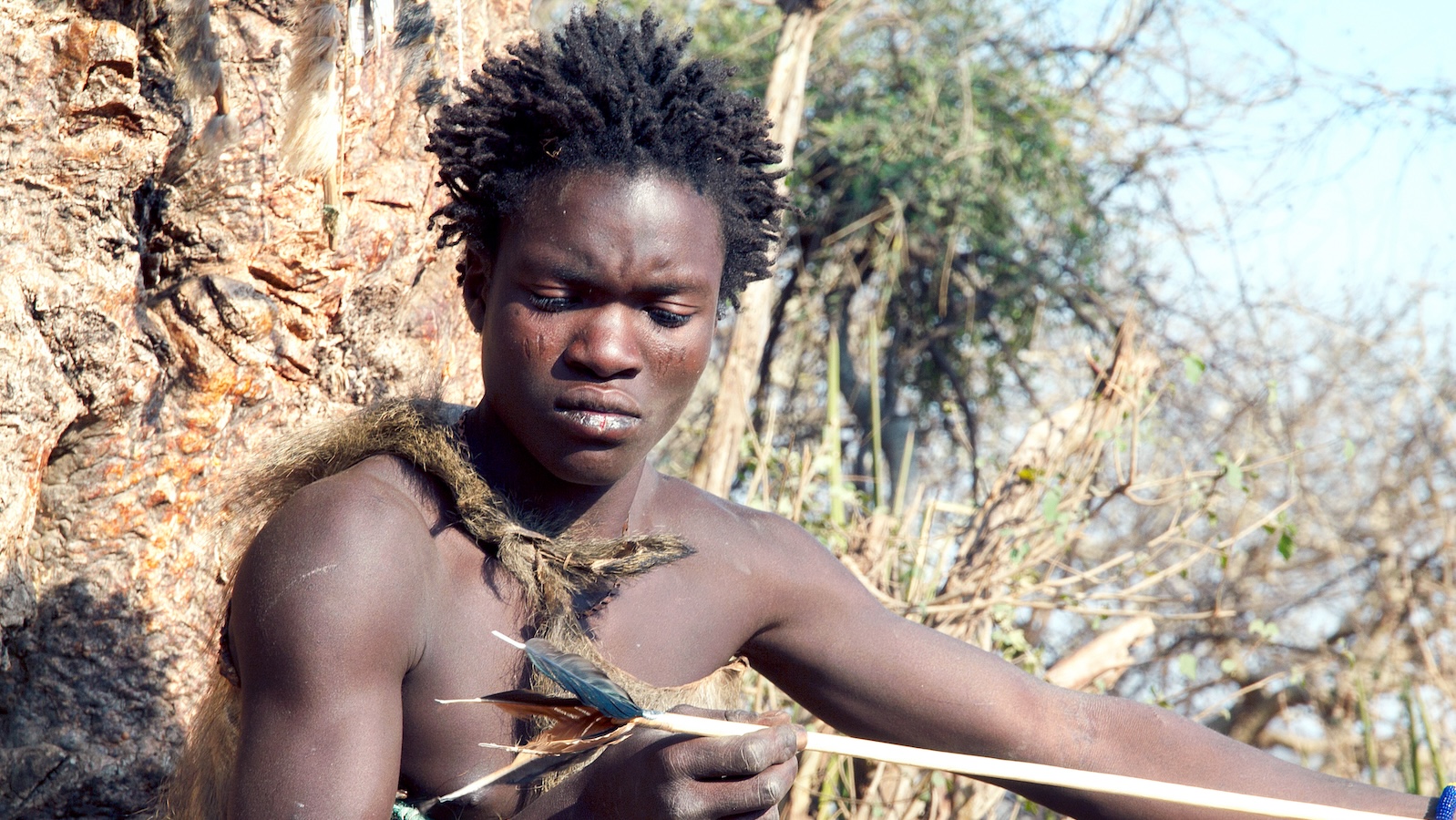
Pontzer didn’t arrive at these ideas from a desk. Much of his insight comes from fieldwork conducted with the Hadza community in Tanzania, one of the last remaining hunter-gatherer populations on Earth. The Hadza have been a window into how human bodies function outside the context of modern industrial life — and what Pontzer observed there shapes much of the thinking in Adaptable.
Studying populations like the Hadza allows researchers to separate what is universal about human biology from what is a product of modern lifestyle. It’s the kind of comparative work that reveals which parts of us are ancient and which are recent — and why both matter for understanding what our bodies are actually built to do.
That fieldwork grounds the book in something richer than theory. It connects the big evolutionary picture to real human lives, lived in real conditions, far removed from the assumptions most of us carry about how bodies work.
Key Themes in Pontzer’s Argument About Human Biology
While
| Feature | Detail |
|---|---|
| Book title | Adaptable: How Your Unique Body Really Works and Why Our Biology Unites Us |
| Author | Herman Pontzer |
| Author’s role | Professor of evolutionary anthropology |
| Publisher | Penguin Random House |
| Publication year | 2025 |
| Key fieldwork location | Tanzania (with the Hadza community) |
| Species discussed | Homo sapiens |
Why This Story Is About More Than Evolution
It would be easy to file this away as an academic conversation — interesting, but distant from everyday life. That would be the wrong read.
Understanding human adaptability has real consequences for how we think about health, medicine, diet, and even mental wellbeing. If our bodies evolved to function across wildly different environments, then the narrow slice of modern life most of us live — sedentary, indoor, highly processed — may be a significant mismatch from what our biology expects.
That’s the kind of insight that connects evolutionary science to personal health in a direct and practical way. When researchers study populations like the Hadza and compare their metabolic profiles, movement patterns, and disease rates to those of people in industrialized societies, the differences can be striking — and instructive.
Pontzer’s broader argument is that understanding how we became so adaptable also helps us understand what our bodies still need — and what modern environments may be failing to provide.
What Comes Next for the Science of Human Adaptability
Books like Adaptable tend to land at a moment when the questions they raise feel newly urgent. With growing scientific interest in metabolic health, the gut microbiome, evolutionary medicine, and the long-term effects of sedentary modern lifestyles, the field Pontzer works in is drawing more public attention than ever.
The Hadza research that underpins much of his thinking is part of a broader wave of fieldwork aimed at understanding human biology in non-industrialized contexts. As that research expands, it continues to challenge assumptions baked into conventional medicine and nutrition science.
Whether or not every reader picks up the book, the central question it poses is one worth sitting with: if adaptability is truly humanity’s superpower, are we using it — or slowly letting it atrophy?
Frequently Asked Questions
Who wrote Adaptable and what is their background?
The book was written by Herman Pontzer, a professor of evolutionary anthropology. He is known for his fieldwork with the Hadza community in Tanzania.
When was the book published and by whom?
Adaptable: How Your Unique Body Really Works and Why Our Biology Unites Us was published by Penguin Random House in 2025.
What is the Hadza community and why does it matter to this research?
The Hadza are a hunter-gatherer community in Tanzania. Pontzer drew on his work with them to gain insight into how human bodies function outside of modern industrial conditions.
What makes human adaptability unique compared to other primates?
According to
Does the book argue that all humans share the same biology?
The subtitle — Why Our Biology Unites Us — suggests that despite visible differences between populations, human biology is fundamentally shared. The full argument is developed in the book itself.
Is there a specific claim about human population in the book?



Leave a Reply