
Homo sapiens is the only primate species that permanently inhabits every continent except Antarctica — and that extraordinary range didn’t happen by accident. It happened because humans, over thousands of generations, developed highly specific physical adaptations that made survival possible in environments that should, by any reasonable measure, be lethal.
From the oxygen-thin air of the Himalayas to the depths of coastal waters where some people spend up to four or five hours submerged each day, human bodies have bent — and in some cases fundamentally changed — to meet the demands of the places people call home. The science behind these adaptations is some of the most striking in all of evolutionary biology.
What researchers have found challenges the idea that humans are a single, uniform species. In meaningful biological ways, people living in radically different environments are not quite the same — and understanding how and why that happened tells us something profound about what it means to be human.
How Humans Became the Most Geographically Diverse Primate on Earth
No other primate comes close to matching the geographic spread of Homo sapiens. Chimpanzees, gorillas, and other great apes are confined to relatively narrow ecological zones. Humans, by contrast, have made permanent homes in scorching deserts, frozen tundra, dense rainforests, and mountain peaks where the air contains a fraction of the oxygen found at sea level.
This didn’t happen purely through technology or culture, though those played a role. It happened because human populations, when exposed to extreme environmental pressures over many generations, developed localized biological adaptations — changes that increased the odds of surviving and successfully reproducing in those specific conditions.
These are not minor tweaks. In some cases, the adaptations involve measurable differences in organ size, blood composition, and even lung capacity. They are the result of natural selection operating over centuries and millennia, quietly reshaping the human body to fit its surroundings.
The Remarkable Case of High-Altitude Adaptation
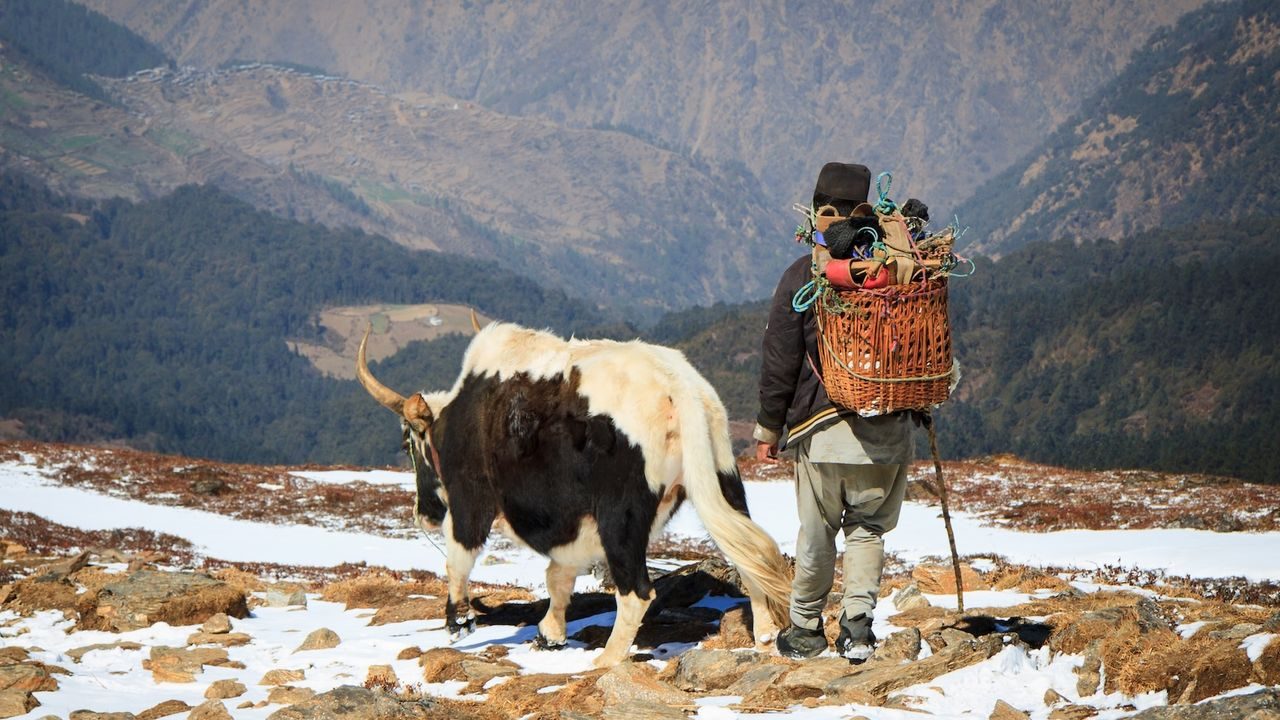
One of the most well-documented examples of human environmental adaptation involves populations living at high altitudes — particularly in the Himalayas. At elevations where the air is thin and oxygen is scarce, the human body faces a serious physiological challenge. Most people who travel to high altitude experience symptoms ranging from headaches and fatigue to, in severe cases, life-threatening conditions.
But people whose ancestors have lived at high altitude for generations have developed traits that allow them to function — and thrive — in low-oxygen environments. These adaptations represent some of the clearest evidence scientists have that natural selection is still actively shaping the human species.
High-altitude populations are among the most studied examples of localized human adaptation, and they serve as a compelling illustration of how dramatically different environments can produce different biological outcomes within the same species.
Spending Hours Underwater: The Sea Nomad Adaptation
Perhaps even more striking than high-altitude adaptation is what has been observed in populations that spend extraordinary amounts of time underwater. Some groups of people — often described as sea nomads or maritime hunter-gatherers — have historically relied on free diving for food, spending what researchers describe as four or five hours per day submerged beneath the surface.
That is not a figure most people would find believable at first glance. Four to five hours underwater, daily, without breathing equipment. Yet the evidence suggests that certain populations have developed physical traits that make this possible at a level well beyond what an average person could achieve.
This kind of adaptation speaks to just how responsive the human body can be over time when a specific skill — in this case, breath-hold diving — determines whether a community eats or goes hungry. The body, shaped by generations of selection pressure, can shift in ways that look almost impossible from the outside.
What These Adaptations Actually Look Like
While the full technical details of each adaptation are extensive, the confirmed picture includes:
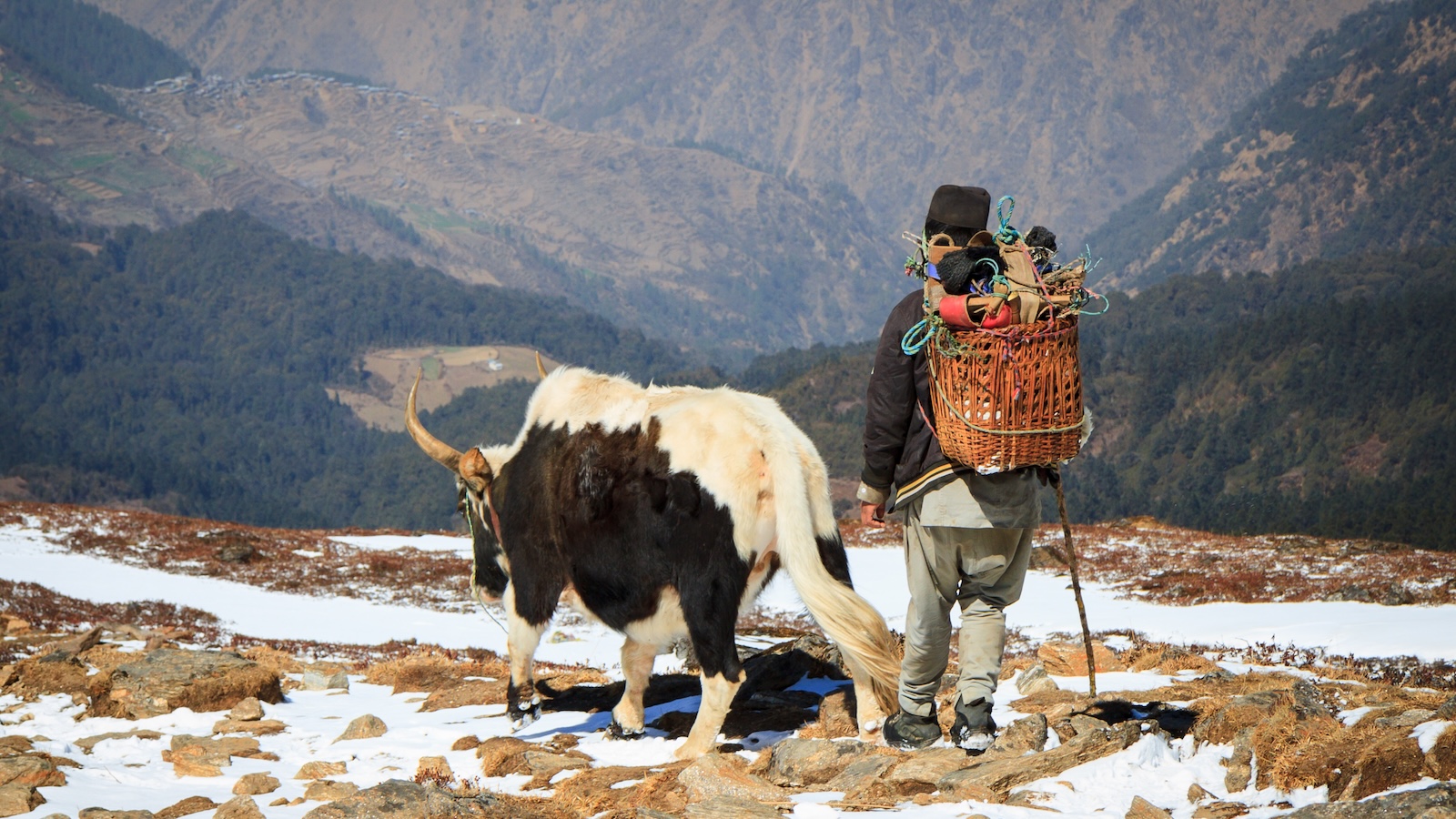
- High-altitude populations, such as those in the Himalayas, have developed traits specifically suited to low-oxygen environments
- Some maritime populations have adapted to spend four to five hours per day underwater — a level of aquatic endurance far beyond typical human capacity
- These adaptations are highly localized, meaning they are specific to particular populations rather than universal across the species
- Homo sapiens is the most geographically diverse primate species, permanently inhabiting every continent except Antarctica
- The ability to develop these adaptations is described as unprecedented among primates
| Environment | Challenge | Known Adaptation |
|---|---|---|
| High altitude (e.g., Himalayas) | Low oxygen levels | Traits enabling survival in low-oxygen conditions |
| Coastal/maritime environments | Extended underwater activity | Capacity for 4–5 hours of daily submersion |
| Global range | Diverse climates and ecosystems | Unprecedented localized adaptation across populations |
Why This Still Matters Today
It would be easy to think of human adaptation as something that happened long ago and stopped. It didn’t. Natural selection operates wherever survival and reproduction are at stake, and the environments humans occupy still vary enormously in their demands on the body.
Understanding how these adaptations work — and which genes or physiological changes are responsible — has real implications for medicine, for our understanding of human history, and for how we think about population differences. Researchers studying high-altitude adaptation, for example, have uncovered genetic variants that may have relevance for understanding conditions like anemia and cardiovascular disease.
The story of human adaptation is also a reminder that diversity within our species runs deeper than culture or language. In some cases, it is written into the biology of the body itself — shaped by the specific, unforgiving demands of the places where people have lived and survived for generations.
Frequently Asked Questions
Which populations are known for spending four to five hours per day underwater?
What makes high-altitude populations like those in the Himalayas different biologically?
People in high-altitude regions like the Himalayas have developed traits that help them survive in low-oxygen environments, according to
Is Homo sapiens really the most geographically diverse primate?
Yes — according to the source, Homo sapiens is the most geographically diverse of all primate species, permanently living on every continent except Antarctica.
Are these adaptations genetic or learned behaviors?
The source describes them as biological adaptations that increase the odds of surviving and reproducing in specific environments, suggesting they are rooted in heritable physical traits rather than learned skills alone.
Does human evolution still happen today?
The existence of these highly localized adaptations suggests that natural selection has continued to shape human populations in response to their environments, though the full scope of ongoing evolution is a subject of active scientific research.
Why can’t most humans spend hours underwater without equipment?
The source indicates that the ability to spend four to five hours daily underwater is a specialized adaptation found in specific populations — it is not a general human capacity, which is precisely what makes it scientifically significant.



Leave a Reply