
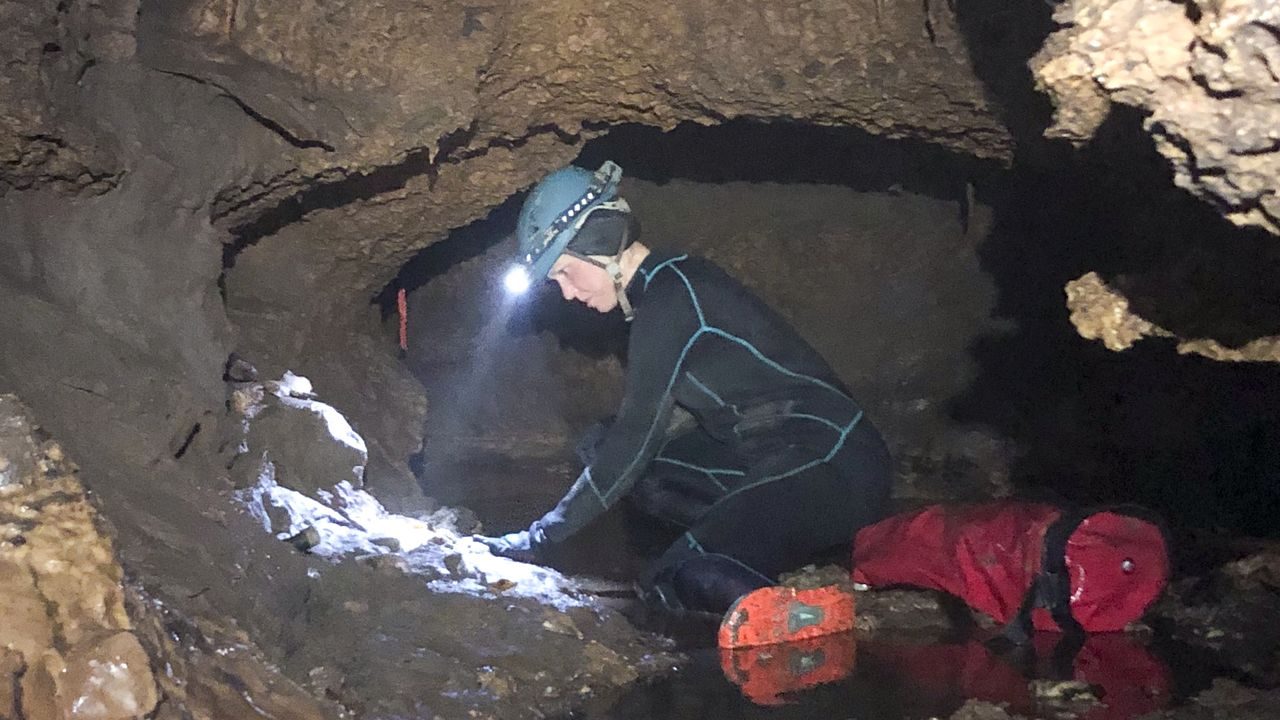
Deep beneath the limestone hills of central Texas, scientists exploring an underground stream stumbled onto something that stopped them cold — the fossilized remains of creatures that hadn’t walked the Earth in thousands of years. A lion-size armadillo relative. A giant tortoise. A massive ground sloth. All preserved together in a water cave, waiting in the dark for someone to find them.
The discovery, published March 19 in the journal Quaternary Research, is being described as a long-lost ice-age ecosystem — a rare, intact snapshot of prehistoric life from a period when North America looked nothing like it does today.
For paleontologists, findings like this don’t come along often. A cave that preserves multiple species from the same ancient period, in the same location, tells a story that scattered surface fossils simply can’t.
What Scientists Actually Found Inside the Cave
The cave is located in central Texas and contains an underground stream — what researchers are calling a “water cave.” While exploring it, scientists uncovered a collection of fossils that appear to represent animals living during a relatively warm period of the last ice age.
Among the most striking finds were:
- A lion-size armadillo relative — a massive ancestor of the small armadillos still common in Texas today
- A giant ground sloth — one of the iconic megafauna of the Pleistocene era
- A giant tortoise — far larger than any tortoise species found in North America today
These weren’t just isolated bones. Researchers found what appears to be a preserved ecosystem — multiple species from the same ancient environment, recovered together from the cave’s underground stream.
Why a Texas Water Cave Preserved an Ice-Age Ecosystem
Caves are among the best natural preservers of ancient remains on Earth. Stable temperatures, low light, and consistent humidity can protect bones for tens of thousands of years. When an underground water system is involved, it can also concentrate and deposit remains from a wide surrounding area, essentially acting as a natural collection point for whatever died nearby.
Central Texas sits on top of the Edwards Plateau, a region riddled with limestone karst — the kind of porous, cave-forming geology that has been swallowing animals and their remains for millennia. This particular cave appears to have done exactly that, capturing and preserving creatures from what researchers believe was a warmer interlude during the last ice age.
That timing matters. Ice-age ecosystems in North America were dramatically different from what exists today. Large mammals — often called megafauna — roamed widely before going extinct roughly 10,000 to 12,000 years ago. Finding a site that preserves multiple megafauna species together gives researchers a rare opportunity to study what those communities actually looked like.
The Animals That Once Roamed Texas
The creatures found in this cave would have been extraordinary to witness. The armadillo relative described as lion-size belongs to a lineage that produced some of the most unusual animals of the Pleistocene. Modern armadillos in Texas typically weigh between 8 and 17 pounds — their ancient relatives could dwarf that many times over.
Giant ground sloths are among the most recognizable ice-age animals in North America. Some species grew to the size of modern elephants, using their massive claws to pull down vegetation. Even the smaller species were formidable creatures by any measure.
Giant tortoises, meanwhile, were once widespread across North America before disappearing at the end of the Pleistocene. Their presence in the Texas cave adds to a growing body of evidence that the continent’s ancient fauna was far more diverse — and far stranger — than the wildlife that replaced it.
| Animal Found | Description | Modern Relative |
|---|---|---|
| Lion-size armadillo relative | Massive ancestor of modern armadillos | Nine-banded armadillo |
| Giant ground sloth | Large Pleistocene megafauna, now extinct | Modern tree sloths |
| Giant tortoise | Large tortoise species, once widespread in North America | Modern North American tortoises |
What This Discovery Means for Paleontology
Single fossils are valuable. But an intact assemblage — multiple species preserved together in one location — is something researchers can use to reconstruct an entire ancient environment. It raises questions about what the climate was like, what the landscape looked like, and how these animals interacted with one another and with the plants around them.
The researchers noted that the cave may preserve remains from a relatively warm period within the last ice age. That’s significant because it suggests this wasn’t a random accumulation of bones — it may reflect a specific ecological moment, a window into what central Texas looked like during a particular climatic phase thousands of years ago.
Findings like this also add pressure to protect cave systems across Texas and the broader region. Many caves remain unexplored, and the fossils inside them are fragile. Once disturbed or damaged, that information is gone permanently.
What Comes Next for the Research
The study was published in Quaternary Research on March 19, marking the formal introduction of this site to the scientific community. From here, researchers will likely work to date the fossils more precisely, identify additional species among the remains, and build a clearer picture of the ecosystem the cave preserves.
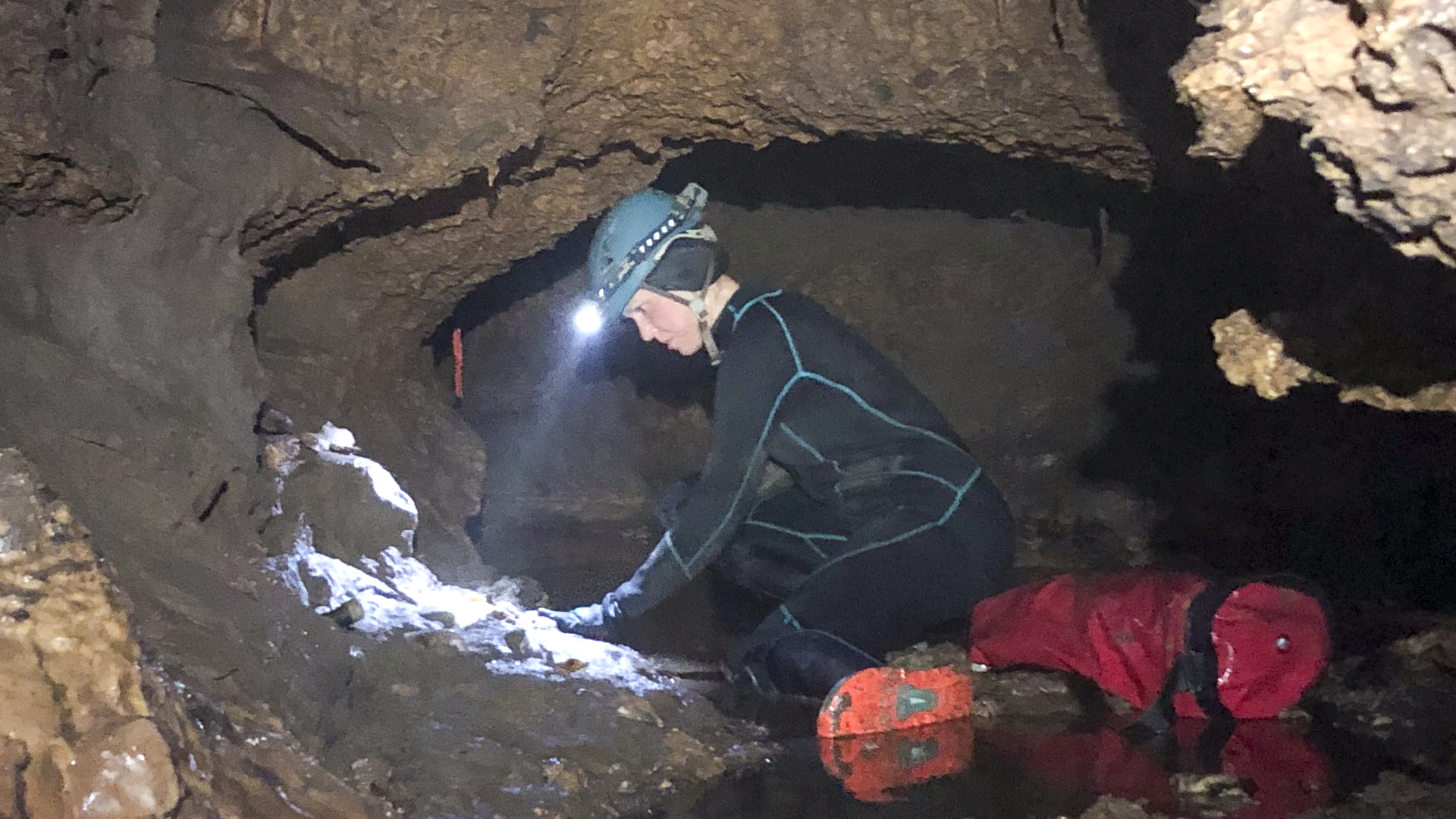
Further analysis of the sediment layers within the cave could also help establish a more detailed timeline — pinpointing exactly when these animals lived and died, and how that aligns with broader climate events of the ice age. The cave itself may have more to offer, with additional sections potentially containing fossils not yet examined.
For now, what’s been confirmed is remarkable enough: a hidden chamber beneath the Texas hills, holding the bones of giants that vanished from the Earth thousands of years ago, intact enough to tell their story to the scientists who found them.
Frequently Asked Questions
Where was this ice-age fossil discovery made?
The fossils were found in a water cave — an underground stream system — located in central Texas.
What fossils were discovered in the Texas cave?
Researchers found the remains of a lion-size armadillo relative, a giant ground sloth, and a giant tortoise, among other fossils.
When was the study about this discovery published?
The study was published on March 19 in the journal Quaternary Research.
How old are the fossils found in the cave?
Researchers believe the fossils date to a relatively warm period during the last ice age, though more precise dating has not yet been confirmed in the available source material.
Why is this discovery considered significant?
The cave appears to preserve an intact ancient ecosystem — multiple species from the same period found together — which gives scientists a rare opportunity to study ice-age life in North America.
Are there more fossils still inside the cave?
This has not yet been confirmed, but researchers suggest the cave may contain additional remains that have not yet been fully examined.




Leave a Reply