
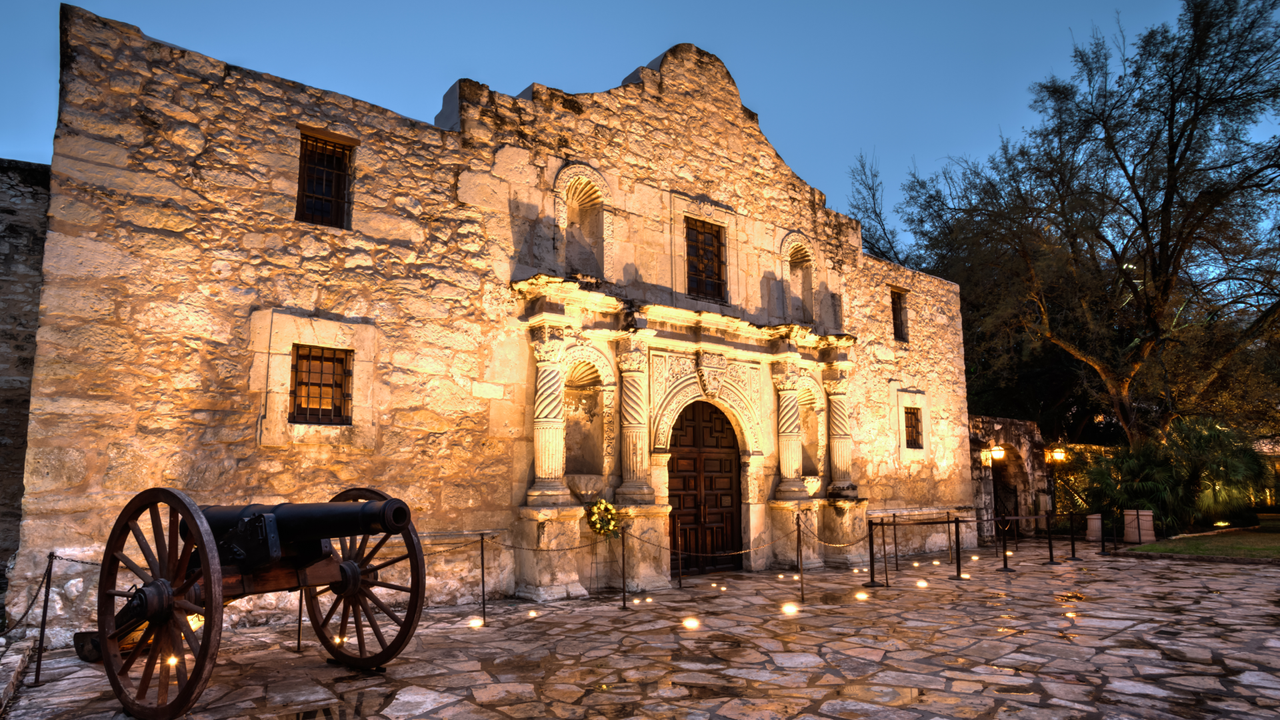
One day before the 190th anniversary of one of the most iconic battles in American history, archaeologists at the Alamo made a discovery that stopped everyone in their tracks — an intact, 190-year-old bronze cannonball fired during the Battle of the Alamo itself.
The timing was almost impossible to believe. Researchers unearthed the cannonball just 24 hours before the anniversary of the 1836 conflict between Mexican troops and white settlers in Texas — the battle that claimed the lives of figures like Davy Crockett and cemented the Alamo as a symbol of American frontier mythology.
The find was announced on March 19 in an episode of the Alamo’s own podcast, Stories Bigger than Texas, by the site’s director of archaeology, Tiffany Lindley. Her reaction said everything:
“We found a complete cannonball. I don’t think words can…”
— a sentence she reportedly couldn’t even finish.
What Makes This Cannonball So Significant
Artifacts from the Battle of the Alamo are extraordinarily rare. The site has been continuously occupied, developed, and visited by millions of tourists since the battle took place in February and March of 1836. Finding anything intact from the actual conflict — let alone a complete cannonball — is the kind of discovery that archaeologists working a site like this might wait an entire career for.
The cannonball is described as bronze and complete, meaning it survived nearly two centuries underground without being shattered, corroded beyond recognition, or lost to construction work on the surrounding area. That level of preservation makes it not just historically significant, but physically remarkable.
The Battle of the Alamo lasted 13 days, from February 23 to March 6, 1836. Mexican forces under General Santa Anna laid siege to a garrison of Texian and Tejano defenders. Artillery was a central feature of that siege — meaning cannonballs were flying in both directions throughout the conflict. This particular artifact offers a direct, tangible link to those 13 days.
The Alamo Battle: Key Facts Behind the Discovery
To understand why this find resonates so deeply, it helps to know what actually happened at the Alamo — and why the site continues to draw archaeologists, historians, and millions of visitors every year.
| Detail | Information |
|---|---|
| Battle dates | February 23 – March 6, 1836 |
| Anniversary marked | 190th anniversary (2026) |
| Discovery date | One day before the 190th anniversary |
| Artifact found | Intact bronze cannonball |
| Announced by | Tiffany Lindley, Alamo Director of Archaeology |
| Announcement platform | Stories Bigger than Texas podcast, March 19 |
| Conflict context | Mexican troops vs. white settlers in Texas |
The battle’s most famous casualties included Davy Crockett, the frontier legend and former U.S. congressman, whose death at the Alamo became part of American cultural mythology. The defenders were vastly outnumbered, and the site fell to Mexican forces — but the phrase “Remember the Alamo” became a rallying cry that outlasted the battle itself.
Why Archaeology at the Alamo Matters Right Now
The Alamo isn’t just a museum or a monument — it’s an active archaeological site, and ongoing digs continue to rewrite what researchers understand about the battle and the people who fought it.
Finds like this cannonball do more than fill display cases. They help archaeologists map where fighting was most intense, trace the movement of troops and artillery, and piece together a physical record of events that written history alone can’t provide. A bronze cannonball recovered in pristine condition is essentially a data point — one that can tell researchers about the type of cannon used, the range it was fired from, and potentially which side of the conflict it came from.
The Alamo’s archaeology program, led by Tiffany Lindley, has been working to uncover that physical record systematically. Announcing this find through the site’s own podcast — rather than waiting for a formal academic paper — suggests the team understood immediately how significant the moment was, and wanted to share it as close to the anniversary as possible.
What the Discovery Means for Visitors and History Enthusiasts
For anyone who has walked through the Alamo’s doors, this kind of discovery makes the site feel less like a preserved relic and more like a living historical investigation. The ground beneath San Antonio still holds secrets from 1836, and archaeologists are still finding them.
The cannonball also arrives at a moment when interest in Alamo history — and debates about how that history is told — remains high. Historians and community advocates have long pushed for more nuanced accounts of the battle that include the perspectives of Tejano fighters and the broader political context of Texas independence. Physical artifacts like this one can contribute to that fuller picture.
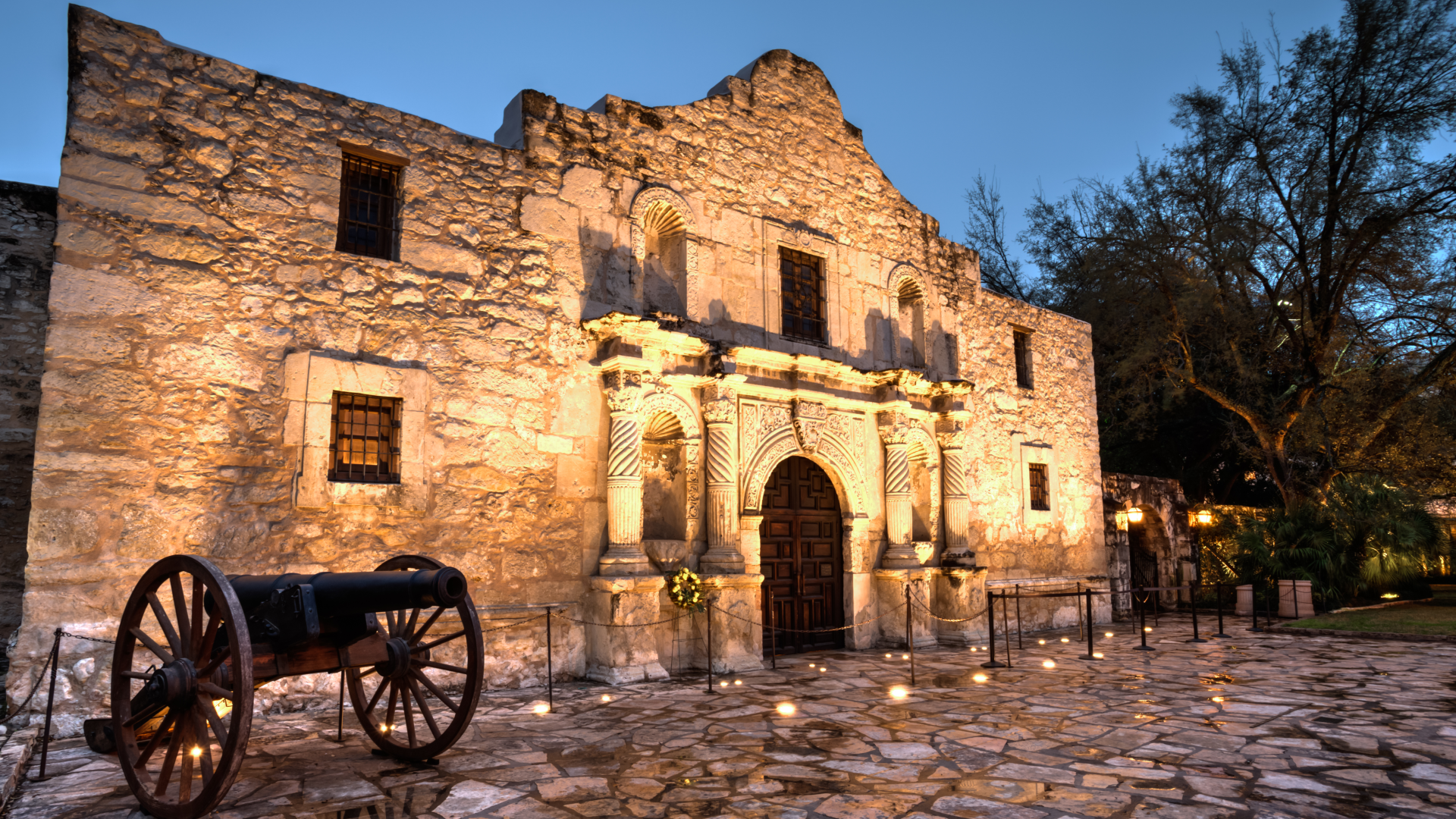
For now, the cannonball stands as a remarkable reminder that history isn’t always buried so deep it can’t be touched. Sometimes, it turns up right before an anniversary, almost as if it had been waiting.
What Comes Next for the Find
Details about where the cannonball will be displayed, what further analysis is planned, or whether additional artifacts were found nearby have not yet been confirmed publicly. Tiffany Lindley’s announcement on the podcast was the first public disclosure of the discovery, and further information is expected as the Alamo’s archaeology team continues its work.
What is clear is that the site’s ongoing excavations remain active and productive — and if one intact cannonball can surface 190 years after the battle, there’s every reason to believe more discoveries are still waiting underground.
Frequently Asked Questions
When was the Alamo cannonball discovered?
The cannonball was unearthed one day before the 190th anniversary of the Battle of the Alamo, with the discovery announced on March 19 via the Alamo’s podcast.
Who announced the discovery?
Tiffany Lindley, the Alamo’s director of archaeology, announced the find in an episode of the podcast Stories Bigger than Texas.
What kind of cannonball was found?
The artifact is described as a complete, intact bronze cannonball dating to the Battle of the Alamo in 1836.
What was the Battle of the Alamo?
The Battle of the Alamo was a 13-day siege in 1836 between Mexican troops and white settlers in Texas, resulting in the fall of the Alamo and the deaths of its defenders, including Davy Crockett.
Where will the cannonball be displayed?
This has not yet been confirmed publicly. Further details are expected as the Alamo archaeology team continues its work.
Are there more artifacts expected to be found at the Alamo?
The site remains an active archaeological excavation, and researchers have not indicated whether additional artifacts from this dig have been recovered.



Leave a Reply