
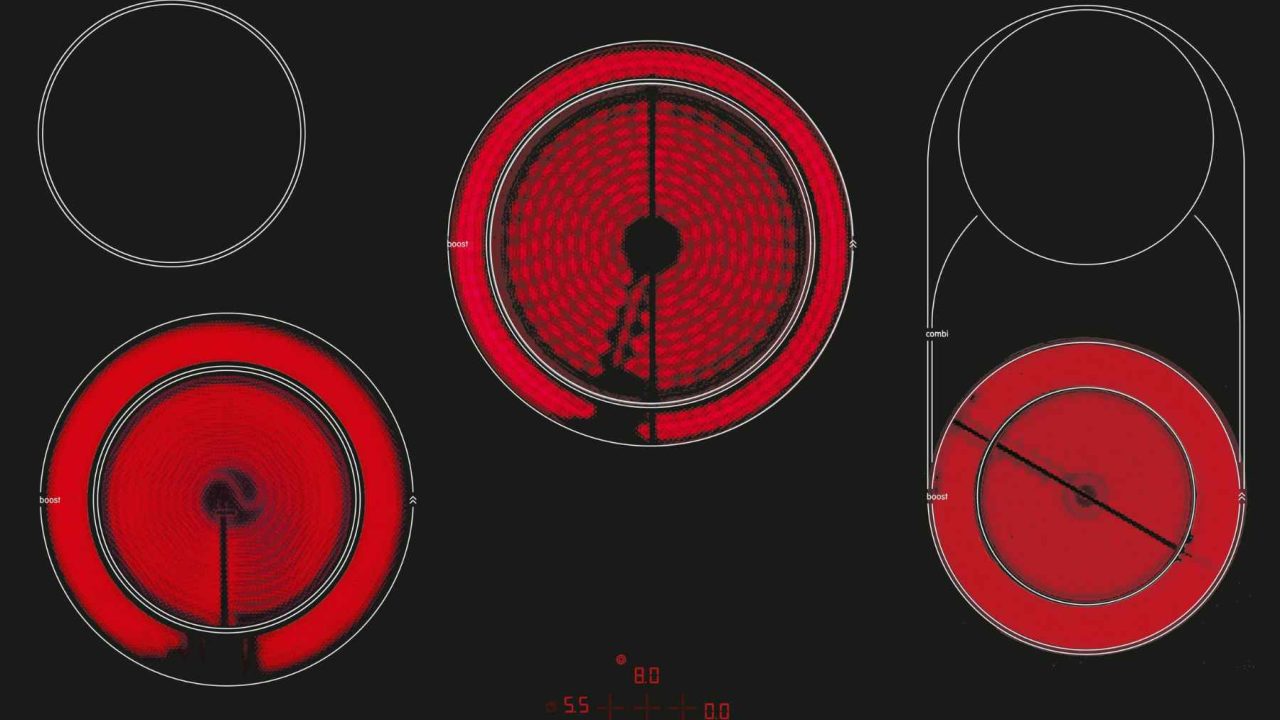
The cooktop you probably considered “modern” just a few years ago is already starting to look dated. Induction cooking — the sleek black glass surface that became the symbol of the contemporary kitchen — is facing its first serious challenger, and this one is quite literally invisible.
A new wave of cooking technology is arriving in showrooms in 2026 that hides the entire cooking surface beneath stone or ceramic countertop material, leaving no visible appliance at all. The counter simply looks like a counter — until you place a pot on it and it starts to heat.
For anyone who has ever planned a kitchen renovation and defaulted to induction as the “safe modern choice,” this shift is worth understanding before you commit to anything.
Why the Induction Cooktop Is No Longer the Automatic Answer
Induction has earned its reputation. It heats faster than traditional glass-ceramic radiant cooktops, it is generally safer than cooking over an open gas flame, and the flat glass surface is genuinely easy to wipe clean. For most of the past decade, it has been the default recommendation for anyone upgrading a kitchen.
But rising energy costs have changed the conversation. More shoppers are now asking a more pointed question: why heat a large glass surface — and the air around it — when the energy could go directly into the pot itself?
That question is exactly what the new generation of invisible or under-counter cooktop systems is designed to answer. Supporters of the technology argue that directing heat precisely into the cookware, rather than warming a broad surface and the surrounding kitchen air, can mean faster cooking times, less ambient heat in the room, and meaningfully less wasted energy overall.
What an Invisible Cooktop Actually Is
The concept sounds almost too simple to be real. Instead of a separate glass cooktop unit installed into the counter, these systems embed the cooking technology beneath an existing stone or ceramic surface. From the outside, there is no appliance visible at all — just the countertop material continuing uninterrupted.
The practical implications of that design are more significant than they might first appear:
- There is no glass cooktop surface to crack, scratch, or replace
- Cleaning becomes a matter of wiping down the same countertop surface you already maintain
- Kitchen design becomes dramatically simpler — no cutout, no frame, no visible appliance boundary
- Heat is directed into the cookware rather than radiating outward across a broad surface
- The kitchen itself stays cooler during cooking, which can reduce the load on air conditioning in warm months
Advocates argue that this approach represents a more efficient use of energy than conventional induction, not just a cosmetic upgrade.
How These Two Technologies Actually Compare
It helps to understand what separates the new invisible systems from the traditional induction cooktop they are competing with.
| Feature | Traditional Induction Cooktop | Invisible / Under-Counter System |
|---|---|---|
| Visible surface | Yes — glass-ceramic panel | No — hidden beneath stone or ceramic |
| Surface material | Glass-ceramic | Existing countertop (stone, ceramic) |
| Heat direction | Surface warms broadly | Aimed directly into cookware |
| Ambient kitchen heat | Some stray heat produced | Reduced stray heat claimed by supporters |
| Cleaning | Wipe glass surface | Wipe existing countertop |
| Kitchen aesthetic | Appliance visible in counter | Fully seamless counter appearance |
| Market availability (2026) | Widely available | Moving from design studios to retail |
The table above reflects what is confirmed in Independent long-term efficiency data comparing the two technologies at scale has not yet been widely published.
What This Means for Anyone Renovating a Kitchen Right Now
If you are mid-renovation or pricing one out, the timing of this shift is genuinely relevant. The invisible cooktop category is described as moving from design studios into retail showrooms in 2026 — meaning it is transitioning from an architectural novelty into something consumers can actually purchase and install.
That does not mean traditional induction is about to disappear from store shelves. It remains popular, widely available, and well understood by installers and repair technicians. For many households, it will continue to be the practical choice for years to come.
But the arrival of a credible alternative — one that addresses energy efficiency concerns and appeals to the growing demand for seamless kitchen aesthetics — does mean the decision is no longer as straightforward as it once was.
Energy costs are a real factor in this shift. As electricity prices remain a pressure point for household budgets, the argument that a more targeted heating system wastes less energy carries genuine weight with shoppers who are paying close attention to their monthly bills.
Where This Technology Goes From Here
The invisible cooktop is currently in the early stages of mainstream retail availability. As of early 2026, these systems are described as arriving in showrooms — which suggests that broader consumer access, installer familiarity, and competitive pricing are still developing.
What typically follows this stage of a technology’s lifecycle is increased competition among manufacturers, downward pressure on pricing, and growing availability through standard appliance and kitchen retailers rather than specialist design studios alone.
Whether the invisible cooktop ultimately displaces traditional induction or simply carves out a premium segment of the market remains to be seen. But the fact that it is raising genuine questions about the future of the classic glass cooktop — in a category that has been largely settled for years — is itself a significant development.
For now, the clearest takeaway is straightforward: if you are about to invest in a kitchen cooktop, it is worth pausing long enough to understand what is arriving in showrooms right now before assuming induction glass is still the only modern answer.
Frequently Asked Questions
What is an invisible cooktop?
It is a cooking system embedded beneath a stone or ceramic countertop surface, leaving no visible appliance — the counter appears completely seamless while still functioning as a cooking surface.
Is the invisible cooktop more energy-efficient than traditional induction?
Supporters argue it is, because heat is directed into the cookware rather than warming a broad glass surface and surrounding air, but independently verified efficiency data at scale has not yet been widely confirmed.
Is induction cooking being discontinued?
No. Traditional induction cooktops remain widely available and popular. The invisible cooktop is an emerging competitor, not a replacement that has already taken over the market.
Can the invisible cooktop be installed in an existing kitchen?
Where can you buy an invisible cooktop in 2026?
As of early 2026, the technology is described as moving from design studios into retail showrooms, suggesting availability is expanding but may still be limited compared to mainstream induction products.</p




Leave a Reply