
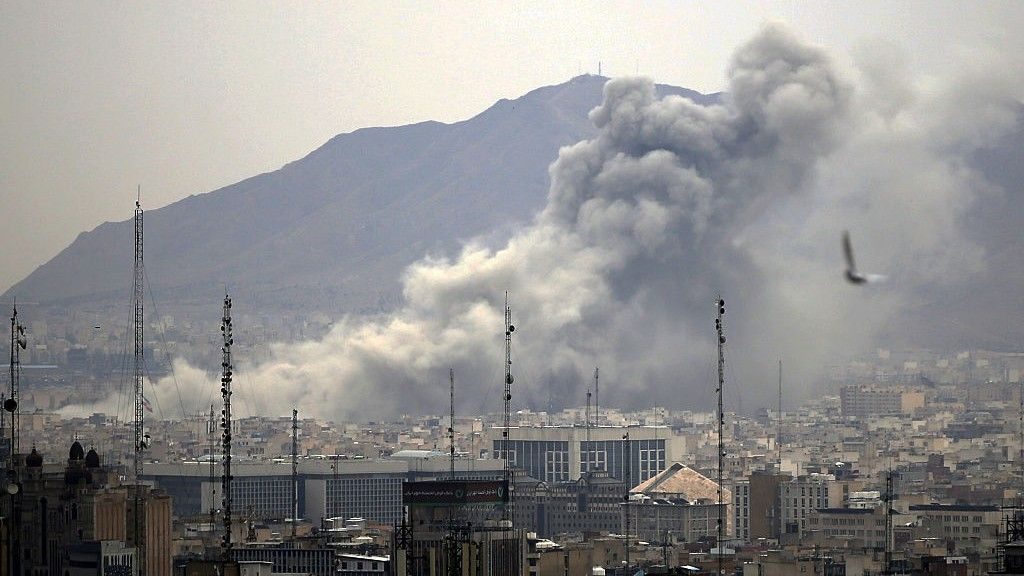
In just the first two weeks of fighting, the war between the United States, Israel, and Iran released almost 5.6 million tons of CO2 — a carbon toll that outpaced the annual emissions of 84 countries combined, according to a new analysis. That figure is staggering on its own. But what makes it even more alarming is where the bulk of those emissions came from: not jet fuel, not missiles, but the destruction of buildings.
Schools, homes, hospitals, apartment blocks — when structures are reduced to rubble, the carbon that was locked inside their concrete, steel, and glass doesn’t disappear. It gets released into the atmosphere all at once. And in a war where more than 6,000 targets were struck in just 14 days, the scale of that destruction adds up fast.
This is the hidden climate cost of modern warfare, and it rarely gets talked about in the same breath as bombs and casualties.
What the New Analysis Actually Found
The conflict, which began on February 28, 2026, saw U.S. and Israeli forces strike more than 6,000 targets inside Iran during the opening two weeks alone — a period running through March 14, 2026. The new analysis tracked greenhouse gas emissions generated during that window and arrived at a number that climate researchers describe as extraordinary.
Nearly 5.1 million metric tons of CO2-equivalent emissions were released in those 14 days. To put that in perspective, that single fortnight of warfare burned through more of the global carbon budget than 84 entire nations emit in a full year.
The findings point to building destruction as the single largest source of those emissions — not the aircraft, not the munitions, not the fuel burned by military vehicles. The embodied carbon in destroyed infrastructure is the dominant driver, a fact that challenges the way most people picture the environmental footprint of war.
Why Buildings Are the Biggest Carbon Source in This War
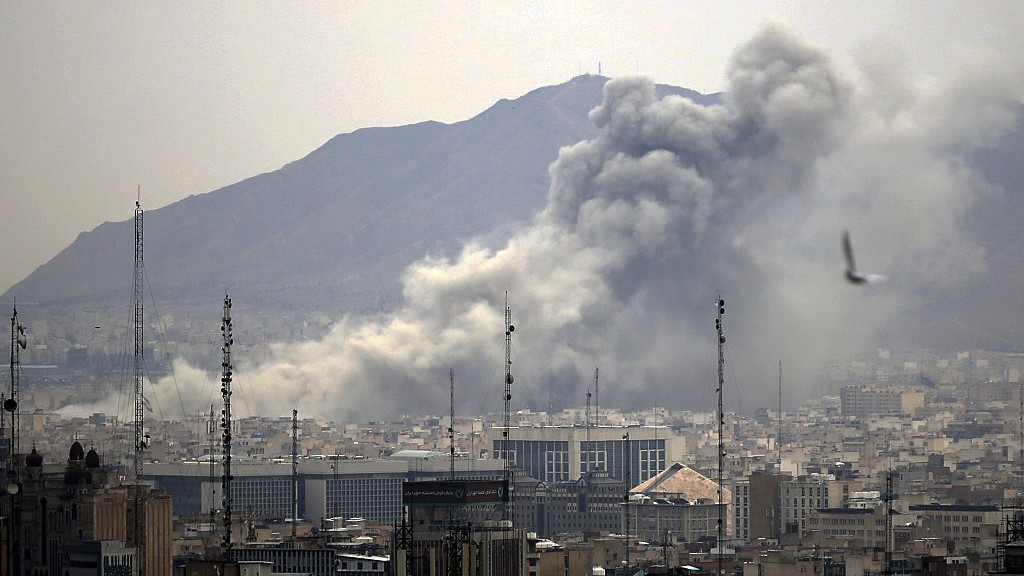
Every building contains what researchers call “embodied carbon” — the greenhouse gases that were emitted during the production of its materials. Making steel requires enormous heat. Producing cement releases CO2 as a chemical byproduct. By the time a concrete apartment building is finished, it carries a significant carbon debt baked into its very structure.
When a missile or airstrike destroys that building, all of that stored carbon impact is effectively realized in an instant. The materials can’t be reused. The energy invested in producing them is gone. And in many cases, rebuilding will require producing new materials all over again — doubling the carbon cost.
In a conflict where thousands of structures — including schools, residential buildings, and other civilian infrastructure — are being damaged or destroyed, the cumulative effect on global emissions is enormous. This is distinct from the emissions produced by the military operations themselves, such as jet fuel consumption, which are significant but appear to be secondary to the destruction of the built environment.
The Numbers Behind the Carbon Toll
| Metric | Figure |
|---|---|
| Conflict period analyzed | Feb. 28 – March 14, 2026 (14 days) |
| Targets struck by U.S. and Israel | More than 6,000 |
| Total CO2-equivalent emissions released | ~5.6 million tons (5.1 million metric tons) |
| Countries whose annual emissions this exceeded | 84 nations combined |
| Largest single emissions source identified | Destruction of buildings and infrastructure |
These figures represent only the opening phase of the conflict. Analysts note that emissions from ongoing military operations, fires, infrastructure damage, and eventual reconstruction will compound the total significantly over time.
The Part of This Story Most Reports Are Missing
War’s environmental damage tends to be discussed in terms of oil fires, chemical contamination, or the long-term ecological destruction of landscapes. The carbon cost of flattening buildings rarely enters the conversation — and that’s a significant blind spot.
Modern urban warfare, by its nature, concentrates destruction in densely built environments. Cities have enormous amounts of embodied carbon concentrated in relatively small areas. When those areas are targeted repeatedly, the emissions released can rival or exceed the operational footprint of the military forces doing the striking.
Analysts who study conflict emissions argue that this dynamic is systematically undercounted in global greenhouse gas inventories. Wars are typically excluded from international climate reporting frameworks, meaning the carbon released by active conflicts doesn’t show up in the national emissions tallies that countries submit under climate agreements. The Iran war’s 5.6 million tons, by that logic, is effectively invisible in the official accounting — even as it enters the atmosphere and contributes to warming just like any other emission source.
That invisibility has real consequences. If the climate cost of war isn’t measured, it can’t be factored into the true price of conflict — economically, diplomatically, or morally.
What Comes Next for the Climate Accounting
The analysis covering the first two weeks is an early snapshot, not a final tally. As the conflict continues — or eventually ends — researchers will need to account for several additional emission streams that are already accumulating.
- Ongoing military operations, including continued airstrikes and any ground activity
- Fires ignited by strikes on fuel storage, industrial facilities, and urban areas
- The carbon released by debris removal and demolition of damaged structures
- The reconstruction phase, which will require producing vast quantities of new steel, cement, and other carbon-intensive materials
- Disruption to Iran’s energy infrastructure, which could affect emissions patterns in unpredictable ways
Researchers who track conflict emissions have previously documented similar patterns in other wars — including the conflict in Ukraine — where the destruction of cities produced carbon footprints far exceeding what conventional military emissions models would predict. The Iran conflict appears to be following the same trajectory, at significant scale.
For a world already struggling to stay within its remaining carbon budget, the climate math of modern warfare is becoming impossible to ignore.
Frequently Asked Questions
How much CO2 did the Iran war release in its first two weeks?
The conflict released almost 5.6 million tons (approximately 5.1 million metric tons) of CO2-equivalent emissions between February 28 and March 14, 2026.
What was the biggest single source of carbon emissions in the conflict?
According to the analysis, the destruction of buildings — including schools, homes, and other structures — was identified as the largest single source of emissions.
How many targets were struck in the opening phase of the war?
U.S. and Israeli forces struck more than 6,000 targets inside Iran during the first two weeks of the conflict.
How does this compare to other countries’ annual emissions?
The emissions from just those 14 days exceeded the combined annual emissions of 84 countries, according to the new analysis.
Are war emissions counted in official global climate reporting?
This has not been fully confirmed by the source, but analysts broadly note that conflict emissions are typically excluded from the national inventories countries submit under international climate agreements.
Will the total emissions figure rise as the conflict continues?
Yes — the analysis covers only the opening 14 days, and ongoing operations, fires, debris removal, and eventual reconstruction are expected to add substantially to the total carbon toll.




Leave a Reply