
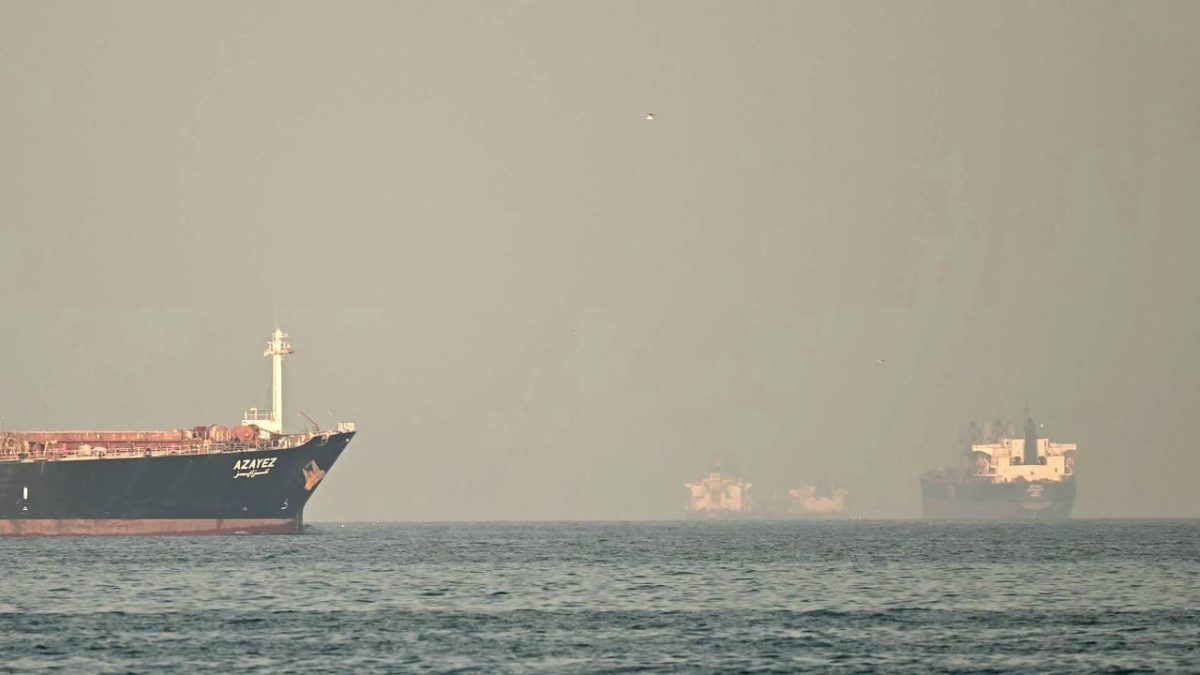
Most of the global conversation about the Iran conflict has focused on oil. But there’s a quieter, potentially more widespread threat hiding in the same shipping lane — one that could hit grocery bills just as hard, if not harder, than rising fuel costs.
Tehran’s moves to restrict or effectively close the Strait of Hormuz to shipping are sending ripples far beyond crude oil markets. Analysts and observers are now raising serious concerns about a threat that has received far less attention: a global fertilizer shock that could disrupt agriculture and drive food prices higher around the world.
The Strait of Hormuz is one of the most strategically critical waterways on the planet. Cargo ships pass through it daily, carrying not just oil and gas, but the raw materials that farmers depend on to grow the food that feeds billions of people.
Why the Strait of Hormuz Is About More Than Oil
When markets reacted to news of potential Hormuz disruptions, the immediate focus was predictable: crude oil prices, energy inflation, and the knock-on cost of transport and manufacturing. That concern is entirely justified. But it captures only part of the picture.
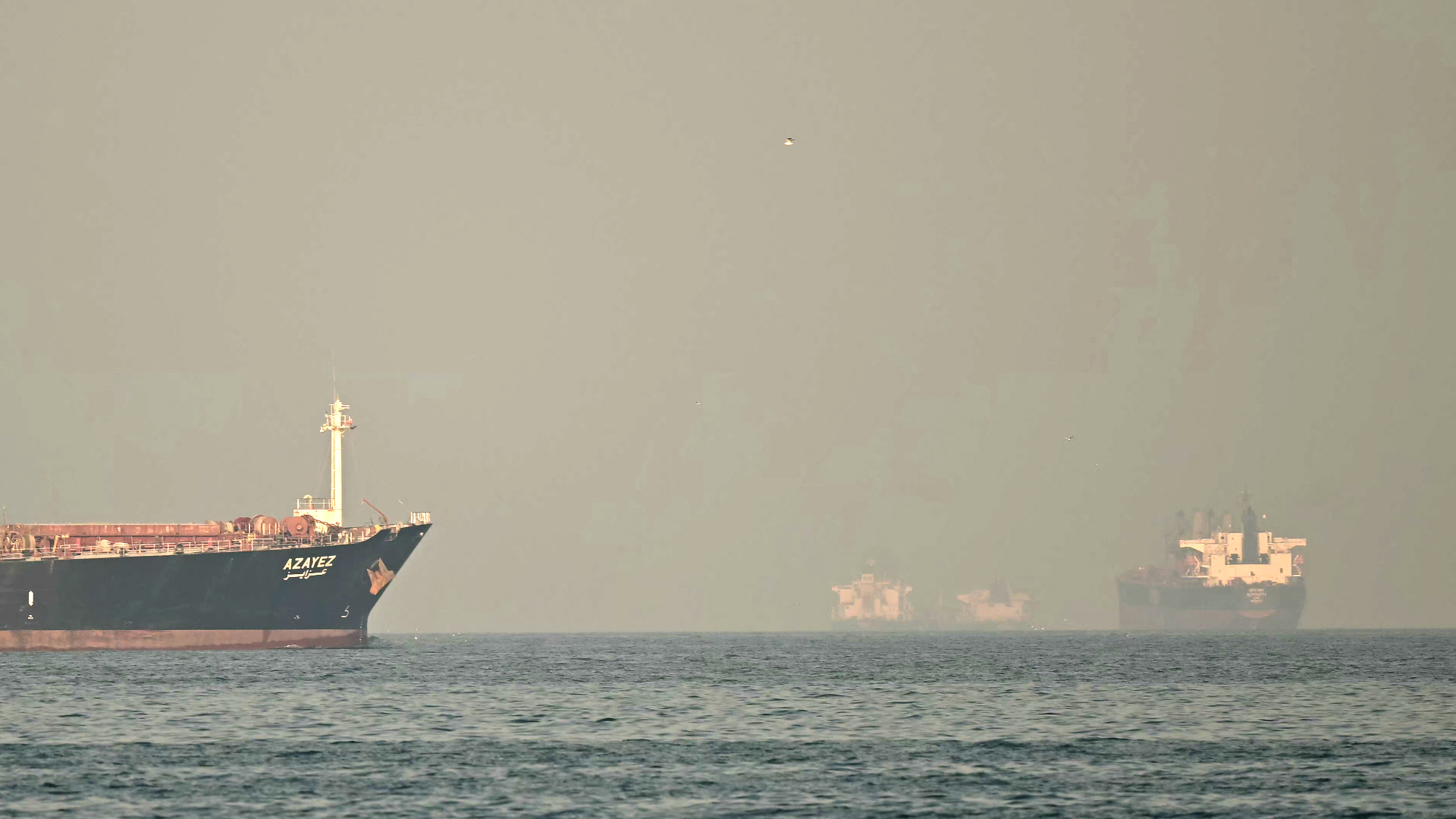
The strait is a critical corridor for fertilizer shipments — and fertilizer is the invisible foundation of modern food production. Without affordable, accessible fertilizer, crop yields fall. When crop yields fall, food supply tightens. When food supply tightens, prices rise. The chain reaction is straightforward, and its consequences reach every household that buys groceries.
The region surrounding the Strait of Hormuz is a major transit point for fertilizer materials, including those derived from natural gas. A prolonged closure or sustained disruption to shipping through this channel wouldn’t just raise the cost of filling a gas tank — it could raise the cost of filling a shopping cart.
What a Fertilizer Shock Actually Means for Food
The term “fertilizer shock” refers to a sudden, significant disruption to the global supply or price of fertilizers. These aren’t niche industrial products — they are the backbone of commercial agriculture worldwide.
When fertilizer prices spike or supplies run short, the effects move quickly through the food system:
- Farmers face higher input costs, which get passed on to buyers
- Some farmers reduce fertilizer use, leading to lower crop yields
- Smaller harvests tighten global grain and vegetable supplies
- Food processors and retailers raise prices to manage their own cost increases
- Consumers in lower-income countries — who spend a higher share of income on food — are hit hardest
The world has seen this dynamic play out before. The disruptions to fertilizer supply chains during 2021 and 2022 contributed directly to the food price inflation that followed. A new shock, triggered by conflict in the Middle East and the closure of a vital shipping route, could produce similar or worse effects.
The Part of This Story Most Reports Are Missing
Global markets have been relatively quick to price in the oil risk. Traders understand the Hormuz-oil connection well. What has received far less attention is the agricultural dimension — and that gap matters.
Fertilizer supply chains are already under strain in parts of the world. Any additional disruption to the movement of fertilizer materials through the Strait of Hormuz would arrive at a moment when the global food system has limited buffer capacity to absorb it.
| Risk Category | Primary Concern | Downstream Impact |
|---|---|---|
| Oil and Gas Flows | Reduced supply through Hormuz | Higher crude prices, energy inflation |
| Fertilizer Supply | Disrupted shipment of fertilizer materials | Higher agricultural input costs, lower crop yields |
| Food Prices | Reduced harvests, higher farm costs | Rising grocery prices globally |
| Shipping Routes | Strait of Hormuz closure or restriction | Delays, rerouting costs, supply uncertainty |
The table above reflects the layered nature of the risk. Oil gets the headlines, but the fertilizer and food price channels are equally real — and potentially longer-lasting in their effects on ordinary people.
Who Gets Hit and How Hard
The immediate pressure falls on farmers, particularly those in import-dependent countries who rely on fertilizer shipped through global trade routes. Higher input costs squeeze margins, and in regions where agriculture operates on thin profit lines, even a moderate price increase can force difficult choices about what to plant and how much.
For consumers, the effect is less immediate but no less real. Food price inflation tends to build gradually as higher farm costs work their way through supply chains. By the time shoppers notice higher prices at the supermarket, the underlying disruption may have been underway for months.
Lower-income households and food-insecure populations are most vulnerable. In many developing nations, food can account for half or more of household spending. A sustained fertilizer shock that reduces crop output and raises food prices would land hardest on the people with the least ability to absorb it.
Wealthier countries are not immune either. Inflationary pressure on food costs affects consumer spending broadly, and central banks monitoring inflation will be watching agricultural commodity prices alongside energy markets.
What Happens Next Depends on the Strait
The scale and duration of any fertilizer or food price disruption depends heavily on how the situation at the Strait of Hormuz develops. A brief restriction that is quickly resolved would likely produce a short-term price spike with limited long-term damage. A prolonged closure would be a different matter entirely.
Shipping companies would be forced to reroute vessels around longer, more expensive paths. Insurance costs for cargo transiting the region would rise. The cumulative effect on fertilizer shipments — and therefore on global agriculture — would compound over time.
Markets, policymakers, and agricultural planners are watching closely. The oil risk is already priced in. The fertilizer risk is still catching up.
Frequently Asked Questions
What is the Strait of Hormuz and why does it matter for food prices?
The Strait of Hormuz is a critical global shipping channel. Beyond oil and gas, it carries fertilizer materials that are essential for agricultural production worldwide — disruptions there can raise food prices.
What is a fertilizer shock?
A fertilizer shock is a sudden disruption to the global supply or price of fertilizers, which can reduce crop yields and drive up food costs across the food supply chain.
Is Iran actually closing the Strait of Hormuz?
According to the source reporting, Tehran is moving to restrict or effectively close the strait to shipping as part of the latest escalation in the conflict involving Iran.
Why are markets focused on oil rather than fertilizer?
Oil and gas flows are the most immediately visible risk, and energy markets are well-practiced at pricing in Hormuz disruptions. The fertilizer and food price risk has received significantly less attention, though analysts argue it is equally serious.
Which countries would be most affected by a fertilizer supply disruption?
Import-dependent nations and lower-income countries where food represents a large share of household spending would face the sharpest impact from reduced fertilizer supply and higher food prices.
How quickly would food prices rise if fertilizer shipments were disrupted?
Food price inflation from fertilizer disruptions tends to build gradually, as higher farm input costs work their way through supply chains over weeks and months before reaching consumers.


Leave a Reply