
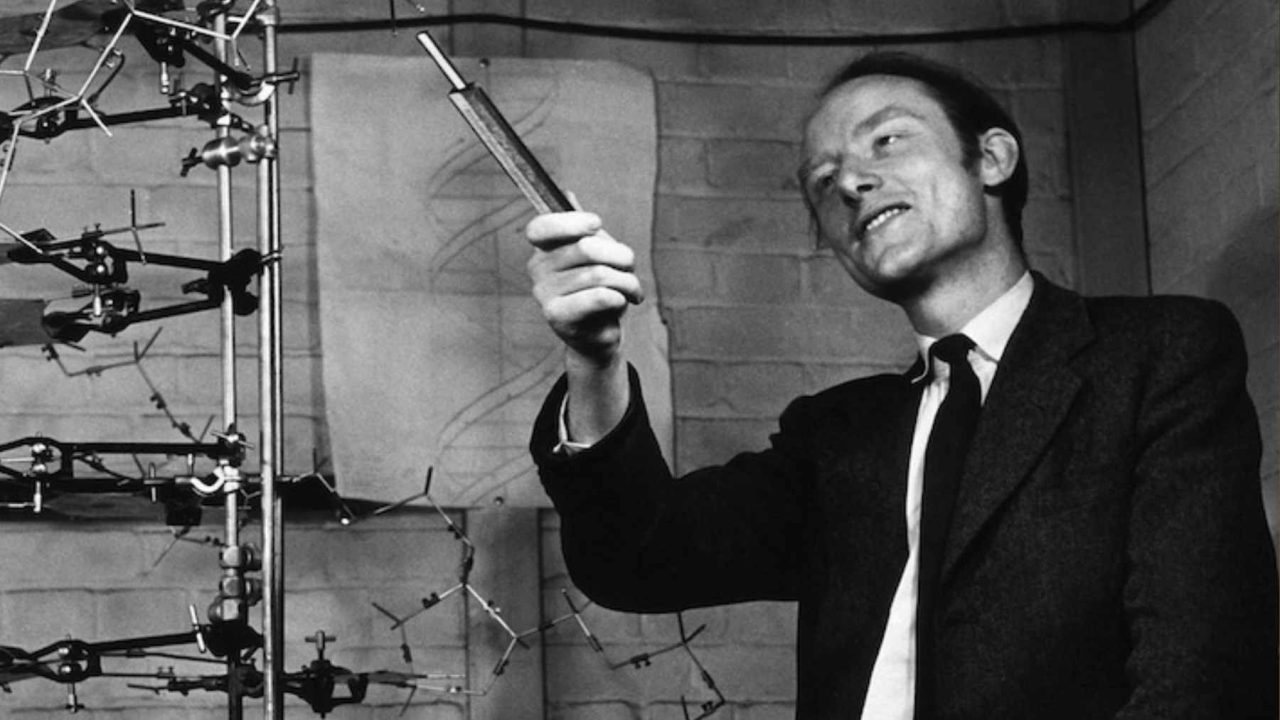
A Nobel Prize winner who helped unlock one of the greatest secrets in the history of science died on November 6, 2025, at the age of 97 — leaving behind a legacy so divided that it is almost impossible to hold both halves of it in mind at the same time.
James Watson, the American biologist who shared the 1962 Nobel Prize in Physiology or Medicine for co-discovering the double helix structure of DNA, spent the final decades of his life not celebrated as a scientific elder statesman, but stripped of his honorary titles and largely shunned by the institutions he helped build. The reason was a series of racist claims about race and intelligence that the scientific community ultimately rejected as baseless.
His death closes a chapter in science history that is genuinely uncomfortable to read — because it forces a question most people would rather avoid: what do we do with the contributions of someone whose ideas caused real harm?
The Discovery That Rewrote Biology
In 1953, Watson and his colleague Francis Crick proposed the double helix model of DNA while working at Cambridge. The model described the physical structure of the molecule that carries genetic information in all living things — a finding so fundamental that it effectively launched the modern era of molecular biology.
The discovery did not happen in isolation. The work of other scientists, most notably Rosalind Franklin, contributed critical data that informed the model, a fact that has become increasingly central to how the history of that discovery is told and retaught.
Watson and Crick, along with Maurice Wilkins, received the Nobel Prize in 1962. The prize is not awarded posthumously, and Franklin had died in 1958, meaning she was never recognized by the Nobel committee for her role.
Beyond the Nobel, Watson’s influence on biology ran deep. He played a significant role in shaping molecular biology as a discipline, helped guide the early stages of the Human Genome Project, and spent decades at Cold Spring Harbor Laboratory in New York, helping transform it into one of the most respected centers for biological research and education in the world. He also wrote books that shaped how generations of students understood genetics and the science of life.
James Watson’s Career: A Timeline of Achievement and Controversy
| Year | Event |
|---|---|
| 1953 | Watson and Crick propose the double helix model of DNA at Cambridge |
| 1962 | Watson, Crick, and Wilkins awarded the Nobel Prize in Physiology or Medicine |
| Decades of leadership | Watson helps build Cold Spring Harbor Laboratory into a major research and education center |
| Early Human Genome Project era | Watson plays a guiding role in the early stages of the Human Genome Project |
| 2019 | Watson reaffirms racist views on race and intelligence; Cold Spring Harbor Laboratory removes his remaining honorary titles |
| November 6, 2025 | Watson dies at age 97 |
Where His Legacy Broke Apart
Watson was never a fringe figure — which is exactly what made his public statements so damaging. Over the years, he made repeated claims suggesting that Black people were less intelligent than white people. These claims were not grounded in credible science. They were widely condemned by researchers, geneticists, and biologists who pointed out that the scientific evidence does not support them.
For a time, institutions appeared to tolerate or at least absorb the controversy without taking formal action. That changed in 2019, when Watson reaffirmed those views publicly. Cold Spring Harbor Laboratory — the institution he had spent decades building — responded by removing his remaining honorary titles.
That decision was significant. It was not a gesture from a distant critic. It came from the place most closely associated with his professional life and scientific reputation. The laboratory’s own memorial acknowledged his foundational contribution to science while making clear that his later statements were incompatible with the values of the institution.
The episode became a widely discussed example of how scientific prestige does not insulate a person from accountability — and how institutions, even those with deep ties to an individual, can and do draw lines.
Why This Story Still Matters
Watson’s death at 97 will prompt fresh rounds of debate about how science handles its complicated figures. His case is not unique — history is full of scientists whose intellectual contributions were real and whose personal beliefs or public statements were harmful — but it is among the most visible and well-documented examples in modern science.
The questions it raises are practical ones. How should textbooks, universities, and research institutions acknowledge Watson’s role in the discovery of DNA’s structure while also being honest about the harm his statements caused? How do we teach the history of science accurately without either erasing genuine contributions or minimizing genuine damage?
There are no easy answers. But the fact that Cold Spring Harbor Laboratory, of all places, ultimately removed his titles suggests that the scientific community has moved toward a clearer position: contribution and accountability are not mutually exclusive. You can recognize what someone built and still refuse to pretend the rest did not happen.
What Comes Next for His Scientific Legacy
Watson’s death does not resolve the debate — it reopens it. Obituaries, retrospectives, and academic discussions will revisit both sides of his record in the months ahead. The discovery of DNA’s double helix will remain one of the most important moments in the history of science regardless of what is said about the man who helped make it.
What may shift is how that discovery is taught and contextualized. The contributions of Rosalind Franklin have already received significantly more public and academic recognition in recent years. Watson’s death may accelerate that rebalancing further.
His story does not offer a clean ending. It offers something more honest: a reminder that scientific achievement and moral failure can exist in the same life, and that how we choose to talk about that complexity says as much about us as it does about him.
Frequently Asked Questions
When did James Watson die?
James Watson died on November 6, 2025, at the age of 97.
What did James Watson win the Nobel Prize for?
Watson shared the 1962 Nobel Prize in Physiology or Medicine for co-discovering the double helix structure of DNA, alongside Francis Crick and Maurice Wilkins.
Why was James Watson stripped of his honorary titles?
Cold Spring Harbor Laboratory removed Watson’s remaining honorary titles in 2019 after he reaffirmed baseless claims that Black people were less intelligent than white people.
What was Watson’s connection to Cold Spring Harbor Laboratory?
Watson spent decades at Cold Spring Harbor Laboratory, helping to build it into a major center for biological research and education.
Did Watson play a role in the Human Genome Project?
Yes, according to
Was Rosalind Franklin awarded the Nobel Prize for her role in the DNA discovery?
No. Franklin died in 1958, and the Nobel Prize is not awarded posthumously, so she was never recognized by the Nobel committee despite her contributions to the research.


Leave a Reply