
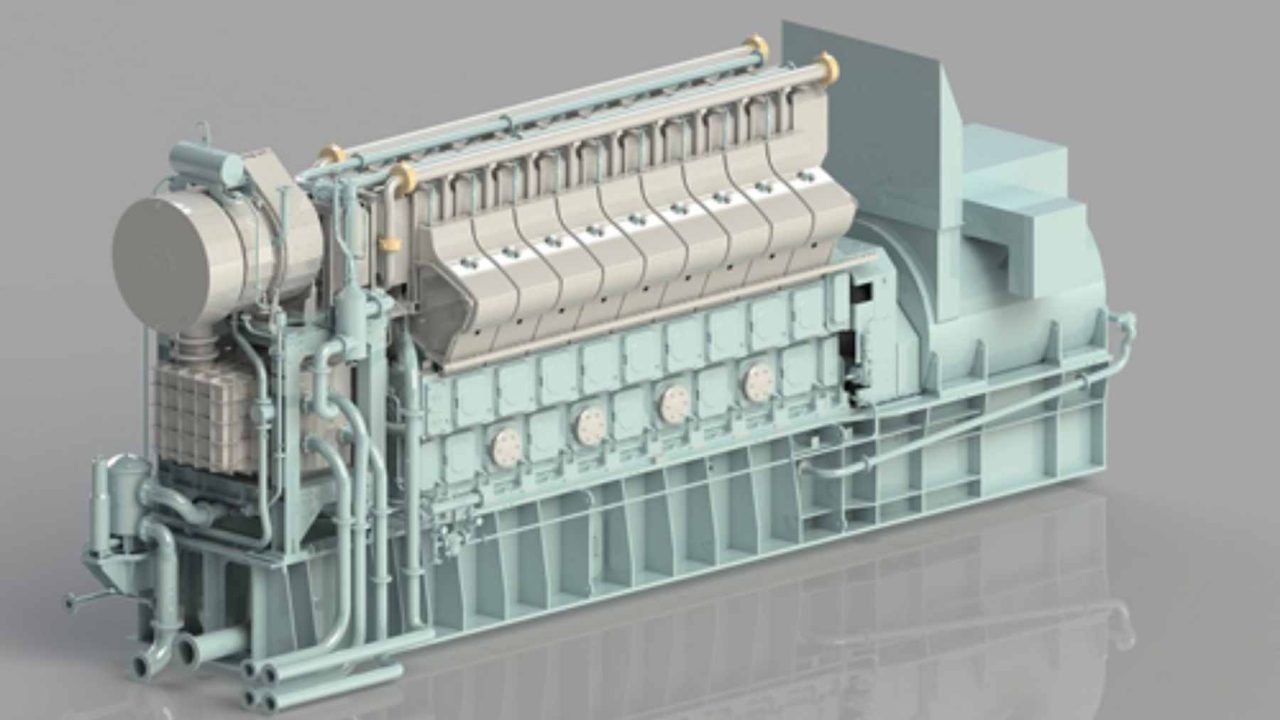
An 8-megawatt engine running on a blend of natural gas and 30% hydrogen — not in a laboratory, not in a government pilot program, but available for commercial order right now. That is the milestone Kawasaki Heavy Industries reached in late September 2025, and it is the kind of practical progress that rarely makes the same headlines as billion-dollar green energy pledges.
Most energy announcements are about what might happen in 2035 or 2050. This one is about a machine that power plant operators can order, install, and connect to pipelines that already exist. That distinction matters more than it might first appear.
For anyone watching electricity prices climb while also hearing constant talk about carbon reduction targets, Kawasaki’s new engine represents something genuinely different: a way to lower emissions without demolishing the infrastructure that already keeps the lights on.
What Kawasaki Actually Built — and Why It’s Different
The new unit is built on Kawasaki’s existing Green Gas Engine platform, part of the company’s KG Series lineup. That series is not new — it has logged more than 240 orders in the 5-to-8-megawatt range since 2011, which means there is already a proven track record behind the hardware.
What is new is the hydrogen co-firing capability. Previous versions of the engine ran on natural gas. This version can run on natural gas mixed with up to 30% hydrogen by volume, and it comes with a full warranty and service program — meaning this is a commercial product, not a prototype.
The testing was done at Kawasaki’s Kobe Works facility. An 8-megawatt class system ran for eleven months on natural gas enriched with up to 30% hydrogen. That is not a short stress test. Eleven months of operation is the kind of durability data that gives purchasing managers and plant operators enough confidence to sign a contract.
The significance of the warranty piece cannot be overstated. Many hydrogen technology announcements involve demonstration units or research partnerships. A commercially warranted product means Kawasaki is putting its own money and reputation on the line — which is a very different kind of commitment.
The Numbers Behind the Engine
| Detail | Specification |
|---|---|
| Engine platform | Green Gas Engine (KG Series) |
| Power output class | 5 to 8 megawatts |
| Maximum hydrogen blend | 30% by volume |
| Test facility | Kawasaki Kobe Works |
| Test duration | Eleven months |
| Commercial availability | Late September 2025 |
| Total KG Series orders to date | More than 240 since 2011 |
Why 30% Hydrogen Is the Number That Matters Right Now
Thirty percent might not sound revolutionary when the end goal is zero-carbon power. But the logic behind that number is rooted in what is actually achievable at scale today, without requiring entirely new supply chains or infrastructure overhauls.
Hydrogen is still expensive to produce, transport, and store in large volumes. A blend of 30% hydrogen with 70% natural gas allows operators to cut carbon emissions meaningfully while using hydrogen supply that already exists or can be sourced in realistic quantities. It is a bridge — and bridges are how you get from one place to another when the destination is still being built.
Advocates of this approach argue that waiting for 100% hydrogen-ready infrastructure before cutting any emissions is the wrong strategy. Getting 30% of the carbon benefit now, using existing pipelines and existing plant designs, is a more practical path than holding out for a perfect solution that may be decades away from widespread deployment.
Critics of hydrogen co-firing sometimes point out that natural gas still makes up 70% of the fuel mix, meaning carbon emissions are reduced but not eliminated. That is a fair observation. But it does not change the fact that this technology allows operators to reduce their emissions profile without replacing every piece of equipment they own.
Who This Technology Is Actually For
The target customers for this engine are power plant operators — the companies and utilities that generate electricity for cities, industrial facilities, and regional grids. These are organizations that have invested heavily in existing gas infrastructure and cannot simply abandon it overnight.
For those operators, Kawasaki’s engine offers a path that does not require choosing between keeping the lights on and reducing their carbon footprint. They can run on their existing natural gas supply, blend in hydrogen as it becomes available locally, and increase that hydrogen percentage over time as supply grows.
The 5-to-8-megawatt power range also makes this relevant for a wide variety of applications — not just massive national grid infrastructure, but also industrial power generation, district energy systems, and facilities that need reliable on-site generation capacity.
Supporters of this approach point to the fact that the KG Series already has more than 240 real-world installations, which means the service network, the spare parts supply, and the operational knowledge base already exist. Adding hydrogen co-firing capability to a proven platform is a much lower-risk move for a purchasing organization than adopting an entirely new technology from scratch.
What Comes Next for Hydrogen Power Generation
The commercial launch of Kawasaki’s 30% hydrogen engine is one data point in a larger shift happening across the energy industry. The question now is whether hydrogen supply infrastructure can grow quickly enough to match the demand that engines like this one could create.
If operators begin ordering and installing hydrogen-capable engines at scale, that creates real commercial demand for hydrogen fuel — which in turn creates the economic case for expanding hydrogen production and distribution networks. The technology and the supply chain have to develop together, and a commercially available engine is one of the clearest signals that serious demand is forming.
Whether future versions of the engine could push beyond 30% hydrogen has not been confirmed from the available information. What is confirmed is that the first commercial step has been taken — and in an industry where progress often moves slowly, that is worth paying attention to.
Frequently Asked Questions
Who makes the 30% hydrogen gas engine?
Kawasaki Heavy Industries developed and began selling the engine commercially in late September 2025, building it on their existing Green Gas Engine platform within the KG Series.
How much power does the engine produce?
The engine operates in the 5-to-8-megawatt class, making it suitable for industrial power generation and grid-connected applications.
How long was the engine tested before going on sale?
An 8-megawatt class system was tested for eleven months at Kawasaki’s Kobe Works facility, running on natural gas blended with up to 30% hydrogen.
Does the engine require new pipelines or infrastructure?
Based on the available information, the engine is designed to work with existing natural gas infrastructure, with hydrogen blended into the fuel supply rather than requiring separate dedicated pipelines.
Can the engine run on more than 30% hydrogen?
The current commercial specification supports up to 30% hydrogen by volume. Whether future versions will support higher hydrogen concentrations has not been confirmed in the available source material.
How many of Kawasaki’s KG Series engines have been sold overall?
The KG Series has recorded more than 240 orders in the 5-to-8-megawatt range since the platform launched in 2011.


Leave a Reply