
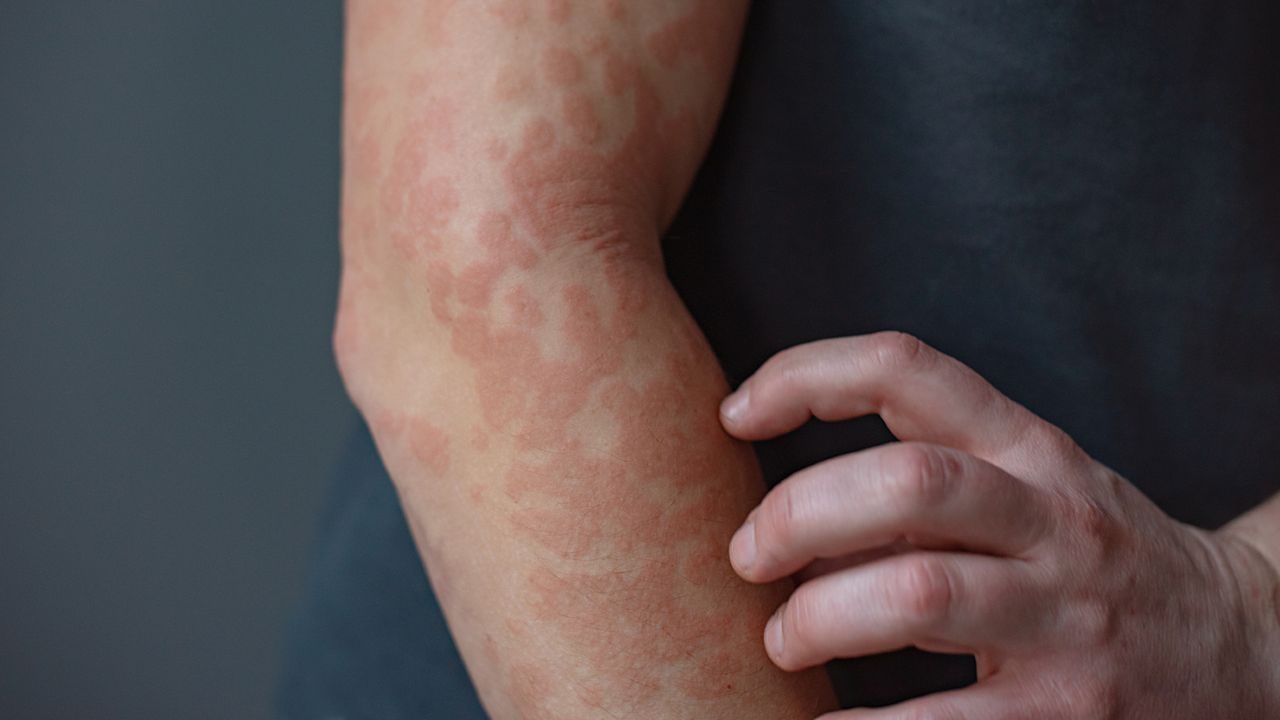
The proteins that form your skin, hair, and nails may be doing far more than holding you together. New research suggests that keratin proteins could play a direct role in regulating skin inflammation — and when they mutate, the consequences may include debilitating conditions like psoriasis and eczema.
For the millions of people who live with the burning itch, cracked skin, and painful rashes of these conditions, that finding matters. It points toward a biological mechanism that researchers hadn’t fully understood before — and potentially, toward new ways to treat it.
The study, published on April 8, 2025, in the journal Science Translational Medicine, identified a mutant keratin protein that can disrupt the processes skin cells normally use to keep inflammation in check. The implications are significant for anyone who has ever watched a skin condition flare up without a clear explanation.
What Keratin Actually Does — and What Happens When It Goes Wrong
Most people know keratin as the stuff of beauty products — the protein found in hair treatments and nail strengtheners. But keratin is far more fundamental than that. It’s a structural protein that forms the physical scaffold of your skin, hair, and nails, giving them strength and resilience.
What the new research highlights is that keratin isn’t just structural. It also appears to act as a kind of biological brake on skin inflammation. Under normal conditions, keratin proteins seem to help skin cells manage and regulate their immune responses, keeping inflammation from spiraling out of control.
When a keratin protein mutates, however, that braking function can break down. According to the study, a mutant keratin protein can interfere with the processes that normally allow skin cells to handle inflammation — potentially setting the stage for chronic inflammatory skin diseases like psoriasis and eczema.
This is a meaningful shift in how scientists understand these conditions. Rather than viewing them purely as immune system overreactions happening to the skin, this research suggests the skin’s own structural proteins may be active participants in either preventing or enabling those reactions.
Psoriasis and Eczema: What’s Actually at Stake
Psoriasis and eczema are among the most common skin conditions in the world. Both can cause painful, itchy rashes that significantly affect quality of life. They are chronic, often unpredictable, and for many patients, difficult to treat effectively over the long term.
Current treatments focus largely on managing immune responses — using topical steroids, biologics, or immunosuppressants to calm the inflammation after it’s already started. What this new research hints at is a different kind of target: the upstream mechanisms in skin cells themselves that allow inflammation to get out of hand in the first place.
If keratin proteins are confirmed to act as regulators of skin inflammation, that opens a potentially new category of therapeutic targets — ones that work at the structural and cellular level rather than simply suppressing immune activity system-wide.
Key Findings at a Glance
- Keratin proteins form the structure of skin, hair, and nails
- New research suggests keratin may also regulate inflammation in skin cells
- A mutant keratin protein was identified that can disrupt normal inflammation management
- This disruption may contribute to the development of psoriasis and eczema
- The study was published April 8, 2025, in Science Translational Medicine
| Condition | Common Symptoms | Possible Keratin Connection |
|---|---|---|
| Psoriasis | Painful, itchy rashes; skin plaques | Mutant keratin may disrupt inflammation regulation in skin cells |
| Eczema | Itchy, inflamed, cracked skin | Mutant keratin may disrupt inflammation regulation in skin cells |
Why This Research Could Change the Treatment Conversation
The real significance of this study isn’t just in explaining what goes wrong — it’s in where it points for treatment. Researchers have long struggled with the fact that existing therapies for psoriasis and eczema work for some patients and not others, and many carry significant side effects when used long-term.
By identifying a specific mutant protein that interferes with the skin’s natural inflammation controls, scientists now have a more precise target to investigate. Future treatments might aim to correct or compensate for that keratin malfunction rather than simply suppressing the immune system broadly.
That distinction matters. Broad immune suppression can leave patients vulnerable to infections and other complications. A therapy that works at the level of the skin’s own regulatory proteins could theoretically be more targeted — and potentially safer.
Researchers are still in early stages, and this finding needs further validation before it translates into clinical treatments. But the direction of the science is notable.
What Comes Next for Keratin and Skin Inflammation Research
The publication of this study in Science Translational Medicine marks a significant step, but it is the beginning of a longer scientific process. The next stages would typically involve further investigation into exactly how mutant keratin proteins disrupt inflammation pathways, whether those mutations are common or rare, and whether therapeutic interventions targeting this mechanism are feasible.
For patients with psoriasis and eczema, the timeline to any new treatment based on this research is likely years away. But the identification of a new biological mechanism is exactly the kind of foundational discovery that eventually leads to new therapies.
Researchers and clinicians in dermatology and immunology will be watching closely to see whether follow-up studies confirm and extend these findings — and whether keratin’s newly identified role as an inflammation regulator holds up as a reliable therapeutic target.
Frequently Asked Questions
What is keratin and why does it matter for skin health?
Keratin is a structural protein that forms skin, hair, and nails. New research suggests it may also play a role in regulating inflammation in skin cells.
What did the new study find about keratin and inflammation?
The study, published April 8, 2025, in Science Translational Medicine, identified a mutant keratin protein that can disrupt the processes skin cells use to manage inflammation, potentially contributing to conditions like psoriasis and eczema.
Could this research lead to new treatments for psoriasis or eczema?
The findings point toward a potential new therapeutic target, but the research is at an early stage and clinical treatments based on this discovery would be years away.
Are psoriasis and eczema caused by keratin mutations?
The research suggests mutant keratin proteins may play a role in driving these conditions, but the full picture of their causes is complex and not yet completely understood.
Where was this research published?
The study was published on April 8, 2025, in the peer-reviewed journal Science Translational Medicine.
Does this change how doctors currently treat psoriasis and eczema?
Not yet — this is early-stage research. Current treatments have not changed based on this finding, but it may inform future therapeutic directions.




Leave a Reply