
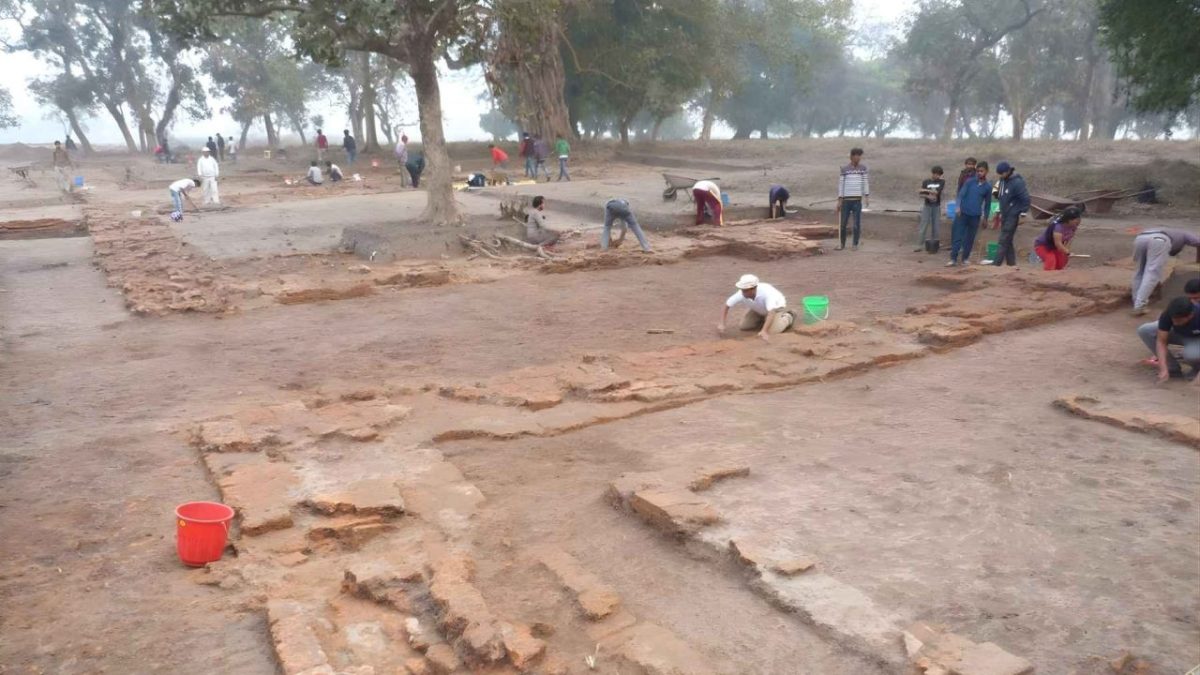
Beneath a white temple in southern Nepal, monks chant at sunrise, archaeologists sift through layers of ancient soil, and one of the most debated questions in religious history quietly unfolds beneath their feet: Can science confirm where the Buddha was actually born?
Lumbini, a modest town near the Indian border, has been venerated for over two millennia as the birthplace of Siddhartha Gautama — the man who became the Buddha. Today, it sits at the crossroads of archaeology, faith, and the pressures of modern development. New excavations are producing sharper timelines and unexpected details, but they are also raising questions that go far beyond the dig site.
For millions of Buddhists worldwide, this is sacred ground. For researchers, it is one of the most significant archaeological sites in Asia. And for the people who live and work nearby, it is home — a place where ancient history and everyday life are in constant, complicated negotiation.
What Makes Lumbini One of the Most Important Sites on Earth
Lumbini’s status as the Buddha’s birthplace is not just a matter of religious tradition. It is backed by a physical artifact that has stood for more than 2,300 years. In the third century BCE, Emperor Ashoka — one of the most powerful rulers in Indian history and a devoted convert to Buddhism — erected a sandstone pillar at the site inscribed with a declaration that the Buddha was born there.
That pillar still stands. And at its center is the Maya Devi Temple, named after the Buddha’s mother, which marks the precise spot where the birth is said to have occurred.
In 1997, UNESCO added Lumbini to its World Heritage List, recognizing it as the traditional birthplace of the Buddha. The designation brought international attention and conservation funding — but also intensified scrutiny over how the site should be managed, developed, and protected.
At sunrise, monks still circle the white Maya Devi Temple, chanting and offering incense beneath strings of prayer flags. Meanwhile, just beneath the walkways where pilgrims tread, archaeologists are carefully peeling back layers of brick and soil, testing ancient tradition against physical evidence.
The Excavations Beneath the Maya Devi Temple
The most significant recent work at Lumbini has been led by archaeologist Robin Coningham of Durham University, working alongside Nepalese partner Kosh Prasad Acharya. Their team has excavated beneath the modern shelter structure that currently protects the temple ruins — going deeper than previous investigations to look for evidence of the site’s earliest use.
The digs are not limited to Lumbini itself. Excavations at what is believed to be the Buddha’s likely childhood city are also underway, offering a more complete picture of the world Siddhartha Gautama would have inhabited. Together, these new digs are producing sharper dates and surprising details about early Buddhism and the life of its founder.
But the work also feeds a much wider debate. How much of the Buddha’s biography is verifiable history? How much has been shaped by centuries of legend and devotion? And critically — how far should modern development be allowed to go in a place that millions of people regard as deeply sacred?
| Key Fact | Detail |
|---|---|
| Location | Lumbini, southern Nepal |
| UNESCO Status | World Heritage Site, added 1997 |
| Central Structure | Maya Devi Temple |
| Ashoka Pillar | Erected in the third century BCE |
| Lead Archaeologist | Robin Coningham, Durham University |
| Nepalese Partner | Kosh Prasad Acharya |
| Estimated Age of Site | More than 2,500 years |
The Tension Between Faith, Science, and Development
This is where the story gets complicated. Lumbini is not a sealed archaeological preserve. It is a living pilgrimage site visited by millions of people from across the Buddhist world. Monks pray here. Pilgrims travel for days to reach it. Governments and religious organizations have invested heavily in building temples, monasteries, and visitor infrastructure in the surrounding sacred garden zone.
That development pressure creates a genuine race against time for archaeologists. Every new construction project, every paved road, every new building carries the risk of disturbing or destroying layers of history that have survived underground for over two millennia.
At the same time, researchers are careful to acknowledge the weight of what they are doing. Can archaeology answer fundamental questions about the Buddha’s life without unsettling the faith of millions of believers? The question has no easy answer. Supporters of the excavations argue that science and spirituality are not in conflict — that confirming the historical reality of the site only deepens its significance. Critics worry that imposing modern scientific frameworks onto a sacred tradition misses the point entirely.
Why This Race Against Time Cannot Be Ignored
The urgency is real. Archaeological sites are not renewable resources. Once a layer of soil is disturbed without proper documentation, the information it held is gone forever. At Lumbini, where the ground contains evidence stretching back more than 2,500 years, that loss would be irreplaceable.
The ongoing excavations represent a narrow window — a chance to recover historical data before development permanently closes it. What researchers find beneath the Maya Devi Temple and at the Buddha’s likely childhood city could reshape our understanding of early Buddhism, the historical timeline of Siddhartha Gautama’s life, and the physical world that gave rise to one of humanity’s most enduring spiritual traditions.
For now, the monks continue their morning circles. The archaeologists continue their careful digging. And Lumbini remains what it has always been: a place where the ancient and the present exist side by side, each with something urgent to say.
Frequently Asked Questions
Where exactly was the Buddha born?
According to tradition and a pillar erected by Emperor Ashoka in the third century BCE, the Buddha was born at Lumbini in southern Nepal, at the site now marked by the Maya Devi Temple.
When was Lumbini added to the UNESCO World Heritage List?
Lumbini was added to the UNESCO World Heritage List in 1997, recognized as the traditional birthplace of the Buddha.
Who is leading the current archaeological excavations at Lumbini?
The excavations have been led by archaeologist Robin Coningham of Durham University, working alongside Nepalese partner Kosh Prasad Acharya.
What is the Ashoka Pillar at Lumbini?
It is a sandstone pillar erected by Emperor Ashoka in the third century BCE that explicitly states the Buddha was born at that location — making it one of the most direct historical references to the Buddha’s birthplace.
Why is Lumbini described as facing a race against time?
Ongoing development pressure around the sacred site risks disturbing or destroying ancient archaeological layers before they can be properly studied and documented.
Do the archaeological findings conflict with Buddhist beliefs about the Buddha’s birthplace?
This remains an open and debated question. Researchers are working to align physical evidence with traditional accounts, but the broader discussion about history versus legend is ongoing.

Leave a Reply