
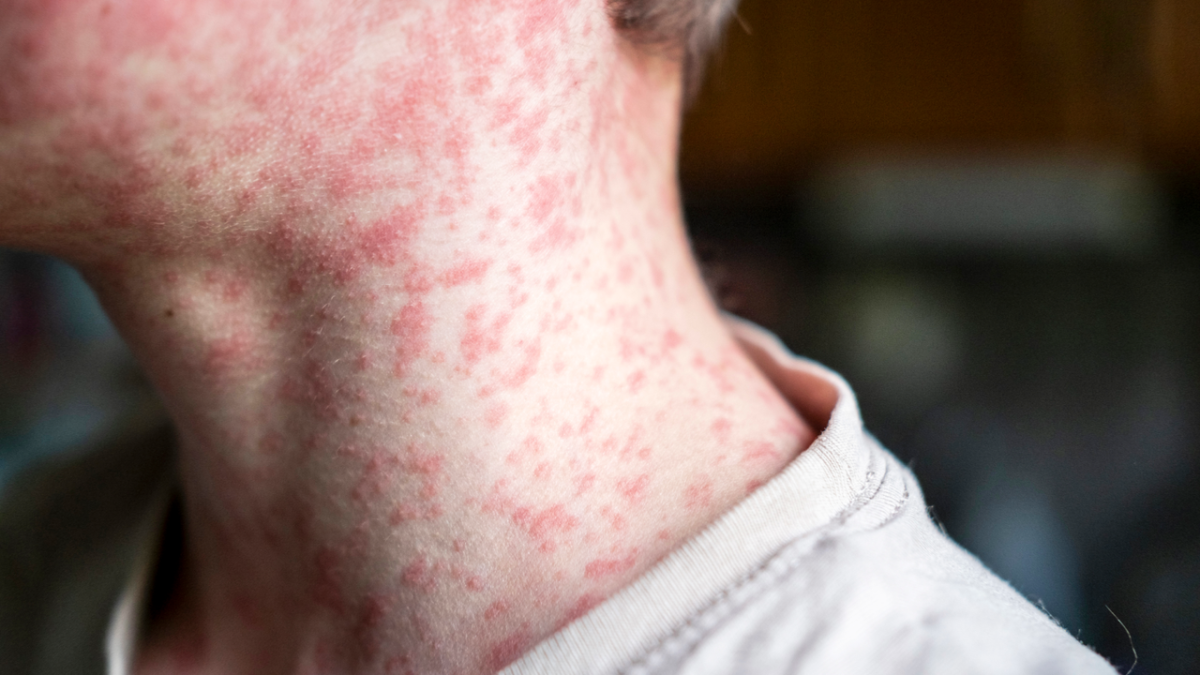
A disease the United States officially eliminated more than two decades ago is back — and this time, it isn’t going away quietly. As of March 2026, measles has been continuously circulating across the U.S. for more than a year, a grim milestone that public health experts have described as a serious warning about where things are headed.
For most Americans who grew up after 2000, measles felt like a relic — something from old photographs and history books. That sense of safety is no longer warranted. The virus has re-established itself in American communities, and new outbreaks are now so frequent that some barely register in the national news cycle.
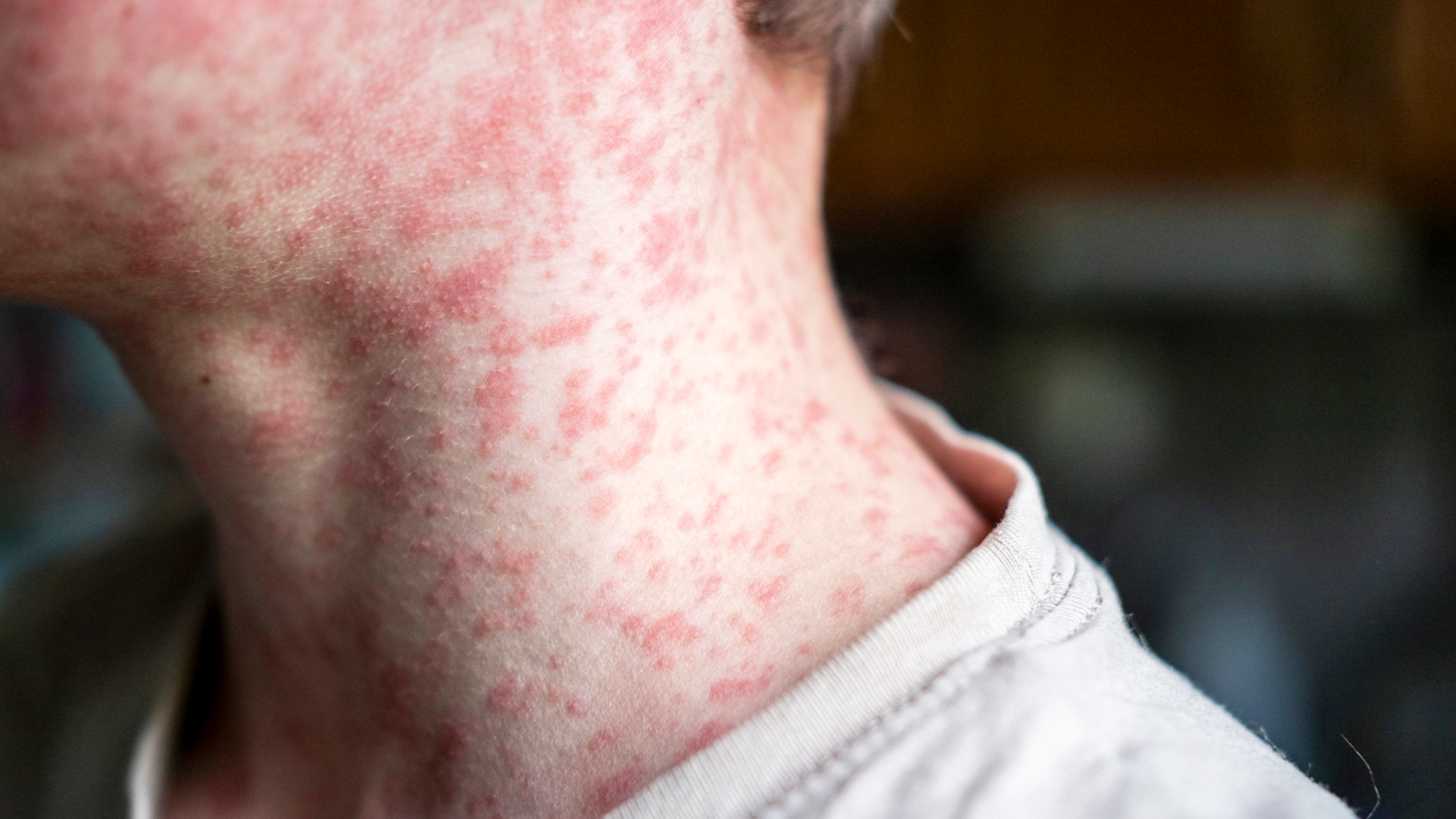
Understanding how this happened, and what it means going forward, matters for every parent, caregiver, and community member in the country.
How the U.S. Lost Its Grip on a Disease It Had Already Beaten
The United States declared measles eliminated in 2000 — a major public health achievement built on decades of widespread vaccination. For the next three decades, from 1993 through 2024, cases remained relatively rare. At worst, the country saw a few hundred cases in a given year, typically tied to travelers bringing the virus in from abroad or small clusters in under-vaccinated communities.
That changed dramatically. According to reporting by Live Science, measles has been in continuous circulation across the U.S. for more than a year as of March 2026. The current stretch of outbreaks began with a significant outbreak in Texas that ran from January to August — a single, prolonged event that set the stage for what followed.
Once a disease reaches that kind of sustained spread, containing it becomes exponentially harder. Measles is one of the most contagious viruses known to science. A single infected person can pass it to as many as 18 others in an unprotected population. When vaccination rates dip even slightly below the threshold needed for community protection, the virus finds its opening.
What the Numbers Tell Us About the Measles Resurgence
The shift from “rare imported cases” to “continuously circulating disease” is not a subtle one. It represents a fundamental change in the relationship between measles and the American population.
| Time Period | Measles Status in the U.S. |
|---|---|
| 2000 | Measles officially declared eliminated |
| 1993–2024 | Relatively rare; a few hundred cases per year at most |
| January–August 2025 | Major outbreak in Texas; disease begins sustained spread |
| March 2026 | Measles continuously circulating in the U.S. for over one year |
The table above reflects a troubling trajectory. The gap between “eliminated” and “endemic” is not as wide as many assumed. Public health systems require consistent maintenance — and when that maintenance falters, diseases that were once defeated can re-establish themselves with speed.
- Measles was eliminated from the U.S. in 2000 after sustained vaccination campaigns
- For roughly 30 years, cases were limited and largely linked to international travel
- The Texas outbreak beginning in January 2025 marked a turning point in domestic spread
- By March 2026, the virus had been circulating continuously for more than 12 months
- New outbreaks are now occurring frequently enough that some go unreported at the national level
Why This Is a Warning, Not Just a Statistic
The phrase “grim sign of what’s coming” isn’t alarmist rhetoric — it reflects a well-documented pattern in infectious disease. When a previously eliminated illness reestablishes continuous transmission, it signals that the underlying conditions protecting a population have eroded. In measles’ case, that protection comes almost entirely from vaccination coverage.
Public health officials have long warned that measles is among the first diseases to return when immunization rates fall, precisely because of how contagious it is. It acts as a kind of early warning system. If measles is spreading freely, it suggests that the population’s immunity gaps are wide enough for other vaccine-preventable diseases to potentially follow.
The normalization of measles outbreaks — the fact that new flare-ups sometimes fail to make headlines — is itself a concerning development. When a serious, preventable disease becomes routine background noise, it becomes harder to mobilize the public response needed to stop it.
Who Is Most at Risk Right Now
Measles is dangerous across age groups, but it carries the highest risk for infants too young to be vaccinated, individuals with compromised immune systems, and anyone who has not received the measles-mumps-rubella (MMR) vaccine. Complications from measles can include pneumonia, brain swelling, and in severe cases, death.
Communities with lower vaccination rates — whether due to access barriers, vaccine hesitancy, or recent policy shifts — face the greatest exposure. The fact that the virus is now in continuous domestic circulation means the risk is no longer theoretical or limited to international travel corridors. It is present in American communities right now.
Parents of young children, in particular, should be aware of the current vaccination schedule and ensure their children are up to date. The MMR vaccine is highly effective, and widespread uptake remains the only reliable way to break the chain of transmission.
What Happens If the Trend Continues
If measles continues to circulate without interruption, the United States risks losing its eliminated status entirely — a designation it has technically held since 2000. Losing that status would not just be a symbolic blow. It would signal to the global public health community that the U.S. can no longer guarantee protection against a disease it once conquered.
The coming months will be critical. Sustained transmission through a second year would deepen the virus’s foothold and make elimination even harder to achieve. Public health advocates argue that reversing the trend requires urgent attention to vaccination coverage, particularly in communities where rates have slipped.
The U.S. beat measles once before. Whether it can do so again depends largely on choices being made right now — by policymakers, healthcare providers, and individual families alike.
Frequently Asked Questions
When did the U.S. eliminate measles?
The United States officially eliminated measles in 2000, following decades of widespread vaccination efforts.
How long has measles been continuously circulating in the U.S.?
As of March 2026, measles has been in continuous circulation in the U.S. for more than one year, beginning with a major outbreak in Texas that started in January 2025.
Where did the current wave of measles outbreaks begin?
The sustained spread is traced back to an outbreak in Texas that lasted from January to August, according to Live Science reporting.
How common was measles in the U.S. before this resurgence?
Between 1993 and 2024, measles was relatively rare in the U.S., with only a few hundred cases per year at most.
What can individuals do to protect themselves and their families?
The MMR vaccine remains the most effective protection against measles; individuals should confirm they and their children are up to date with recommended vaccinations.




Leave a Reply