
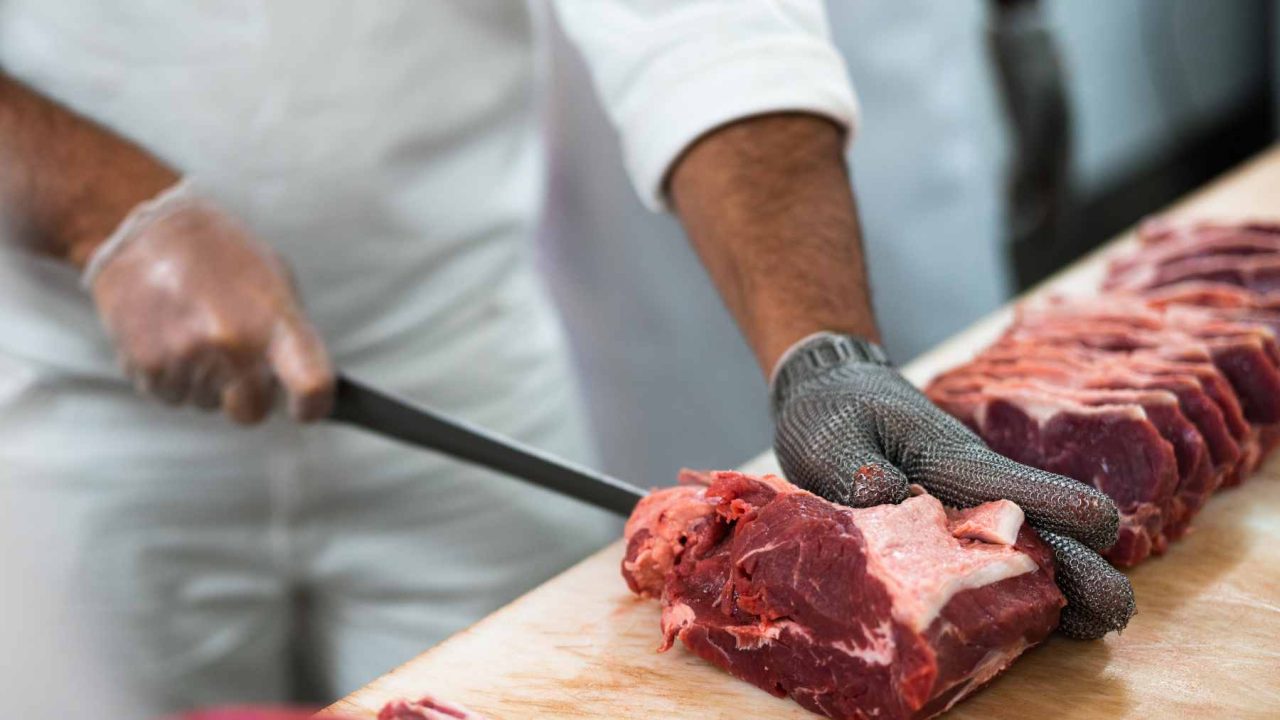
A new study out of China suggests that people who eat meat may have a slightly better chance of living to 100 than those who don’t — and that headline has been spreading fast. But nutrition experts are urging people to slow down before drawing any sweeping conclusions about their diet.
The real story buried beneath the attention-grabbing finding is far more nuanced. The apparent survival advantage for meat eaters only appeared in one specific group of people. For everyone else, the difference largely disappeared.
Here is what the research actually found — and why the context matters just as much as the result.
What the Chinese Longevity Study Actually Found
The study was led by epidemiologist Yaqi Li at Fudan University and drew on data from the Chinese Longitudinal Healthy Longevity Survey, a long-running national project that has tracked older adults across China since the late 1990s.
The research followed more than five thousand people aged eighty and older. Participants were grouped as either omnivores or vegetarians based on how frequently they ate meat and other animal foods. Researchers then tracked who was still alive at age one hundred by the end of the follow-up period in 2018.
On the surface, non-meat eaters appeared to have slightly lower odds of reaching their hundredth birthday. That single finding is what generated most of the headlines.
But here is the detail that changes everything: the disadvantage for non-meat eaters only showed up among participants who were already underweight. That is a critical distinction that most of the reporting on this study has glossed over entirely.
The Part of This Story Most Reports Are Missing
Nutrition expert Chloe Casey at Bournemouth University, writing about the research for The Conversation, stressed that the findings say more about the realities of eating in very old age than about meat being some kind of longevity superfood.
This is a point worth sitting with. When people reach their eighties and beyond, maintaining a healthy body weight becomes significantly harder. Appetite often decreases. The body’s ability to absorb certain nutrients can decline. Muscle mass becomes harder to preserve. In that context, getting enough calories and protein — from whatever source — becomes genuinely critical.
For an underweight elderly person, cutting out meat without carefully replacing those nutrients could contribute to further weight loss and muscle deterioration. That is a real concern. But it is a very different thing from saying that a healthy, well-nourished person in their forties or fifties should start eating more meat to live longer.
The study’s population was also specific to China, where vegetarian diets among older adults may look quite different — in terms of food variety, caloric density, and nutritional balance — compared to plant-based diets in other parts of the world.
Key Details From the Research at a Glance
| Detail | What the Study Shows |
|---|---|
| Study lead | Epidemiologist Yaqi Li, Fudan University |
| Data source | Chinese Longitudinal Healthy Longevity Survey |
| Participants | More than 5,000 adults aged 80 and older |
| Follow-up end date | 2018 |
| Outcome measured | Survival to age 100 |
| Key finding | Non-meat eaters showed lower survival odds only when already underweight |
| Expert commentary | Chloe Casey, Bournemouth University, via The Conversation |
- The study followed adults from age 80 onward — not younger or middle-aged populations
- Participants were classified based on how often they consumed meat and animal products
- The survival comparison focused specifically on reaching the age of 100
- The underweight factor was the defining variable in the meat-eating advantage
Why This Matters for How You Read Health Headlines
This study is a useful reminder of how easily research findings can be stripped of their context and turned into something they were never meant to say.
The finding that meat eaters in this study had better centenarian survival rates sounds dramatic — and it is genuinely interesting data. But it comes from a very specific population: people who were already in their eighties, living in China, being tracked across decades. Applying that finding directly to a thirty-five-year-old deciding whether to go plant-based is a leap the data simply does not support.
There is also the broader body of nutritional science to consider. Decades of research have linked high consumption of certain meats — particularly processed and red meats — to increased risks of heart disease, certain cancers, and other chronic conditions. A single observational study of Chinese centenarians does not overturn that body of evidence.
What this research does usefully highlight is that nutritional needs change significantly as people age. Adequate protein intake, maintaining a healthy weight, and preventing muscle loss become more pressing concerns in the later decades of life — and those needs deserve more attention in dietary guidance aimed at older adults.
What Researchers and Experts Are Watching Next
The Chinese Longitudinal Healthy Longevity Survey has been running since the late 1990s and continues to generate valuable data about aging in one of the world’s oldest populations. Studies like this one contribute to a growing body of work on what factors — dietary and otherwise — influence extreme longevity.
Nutrition experts like Chloe Casey at Bournemouth University are helping translate these findings for general audiences, and the broader conversation around elderly nutrition is likely to intensify as populations age globally. The key question researchers are working toward is not simply whether meat helps or hurts — but how dietary needs shift across a lifetime, and how to support people nutritionally through their oldest years.
For now, the honest takeaway from this study is modest: in a specific population of very old, underweight adults in China, not eating meat was associated with lower odds of reaching 100. That is worth knowing. It is not worth a wholesale change in how the rest of us think about our plates.
Frequently Asked Questions
Does this study prove that eating meat helps you live longer?
No. The study found a survival difference only among participants who were already underweight, and it focused exclusively on adults aged 80 and older in China.
Who conducted this research?
The study was led by epidemiologist Yaqi Li at Fudan University, using data from the Chinese Longitudinal Healthy Longevity Survey.
How many people were included in the study?
More than five thousand adults aged eighty and older were followed as part of the research.
What did nutrition experts say about the findings?
Nutrition expert Chloe Casey at Bournemouth University noted that the findings reflect the challenges of eating well in very old age rather than suggesting meat is a longevity food.
Does this study apply to younger people considering a plant-based diet?
The study’s population was specifically adults in their eighties and beyond, so its findings cannot be directly applied to younger or middle-aged individuals making dietary choices.
When did the study’s follow-up period end?
The follow-up period ended in 2018, with researchers tracking which participants had survived to age one hundred by that point.


Leave a Reply