
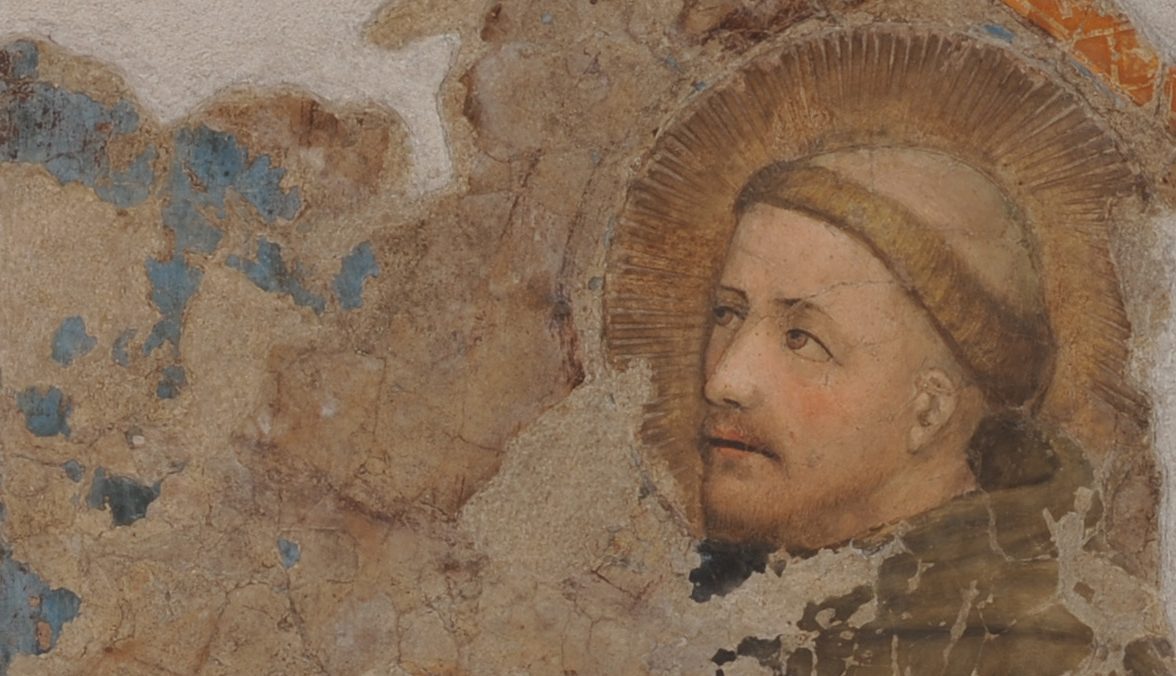
Elena Rossi stepped into the dimly lit gallery of the Palazzo Albergati in Bologna, her breath catching as she found herself face-to-face with a fresco fragment she’d only seen in textbooks. The weathered face of Saint Francis gazed back at her, painted by Giotto’s masterful hand over 700 years ago. “I never imagined I’d feel this connected to someone from the 13th century,” she whispered to her companion, tears welling in her eyes.
This powerful moment is exactly what curators hoped visitors would experience at Italy’s most ambitious medieval art exhibition in decades. The groundbreaking show brings together rarely-seen masterpieces that tell the extraordinary story of how one revolutionary artist and one beloved saint transformed European culture forever.
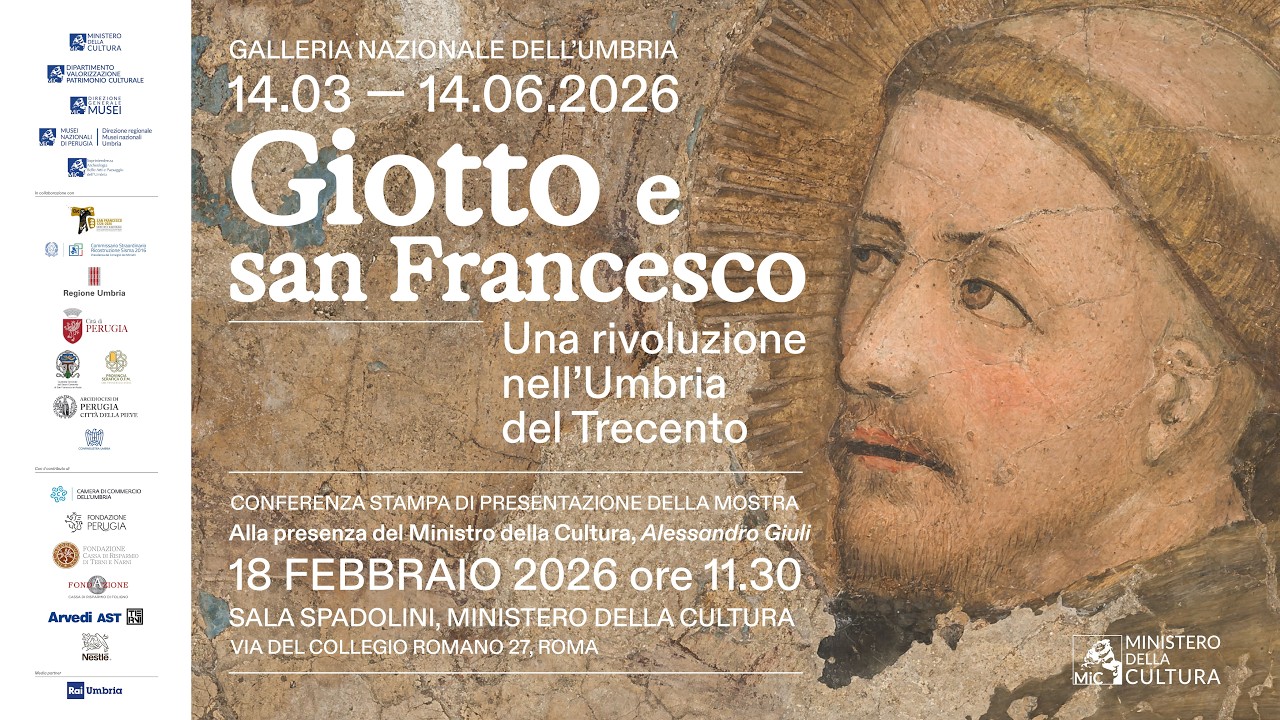
For the first time in generations, art lovers can witness the profound artistic and spiritual revolution that swept through medieval Italy, all housed under one magnificent roof.
A Revolutionary Exhibition Brings Medieval Masters to Life
The exhibition “Giotto and the World of Saint Francis” has opened its doors at Bologna’s prestigious Palazzo Albergati, offering an unprecedented look at how artistic genius and religious devotion shaped an entire era. This isn’t just another art show—it’s a journey through one of history’s most transformative periods.
Running through early 2024, the exhibition features over 100 works spanning the 13th and 14th centuries. Visitors can explore original frescoes, illuminated manuscripts, sculptures, and panel paintings that have never been displayed together before.
This exhibition represents a once-in-a-lifetime opportunity to understand how Giotto revolutionized art while Saint Francis revolutionized spirituality, and how their legacies intertwined to create something entirely new.
— Dr. Marco Bussagli, Exhibition Curator
The show’s centerpiece includes authentic fresco fragments from Assisi’s Basilica of Saint Francis, some of which have been painstakingly restored specifically for this exhibition. These precious works offer visitors an intimate glimpse into Giotto’s groundbreaking techniques that would influence artists for centuries to come.
What Makes This Exhibition Extraordinary
The curators have created an immersive experience that goes far beyond traditional museum displays. Interactive elements help visitors understand the historical context, while carefully controlled lighting reveals details invisible to medieval viewers.
Here’s what makes this exhibition truly special:
- First-ever reunion of Giotto works scattered across multiple Italian cities
- Rare manuscripts showing Saint Francis’s own writings and early biographies
- Interactive displays explaining medieval painting techniques
- Multimedia presentations bringing 13th-century Assisi to life
- Previously unseen preparatory drawings and sketches
- Contemporary works by Giotto’s followers and rivals
The exhibition layout follows a chronological journey, beginning with Saint Francis’s life and ending with Giotto’s mature masterpieces. This approach helps visitors understand how the saint’s revolutionary message of poverty, humility, and love for nature directly inspired the artistic innovations that followed.
| Exhibition Highlights | Origin | Significance |
|---|---|---|
| Saint Francis Receiving the Stigmata | Basilica of Saint Francis, Assisi | Shows Giotto’s revolutionary use of emotion and naturalism |
| The Dream of Pope Innocent III | Upper Church, Assisi | Demonstrates narrative storytelling in medieval art |
| Saint Francis Preaching to the Birds | Various sources | Illustrates the saint’s connection to nature |
| The Miracle of the Spring | Bardi Chapel, Florence | Showcases Giotto’s mastery of landscape painting |
Seeing these works together reveals patterns and influences that scholars have theorized about for decades but could never prove conclusively.
— Professor Isabella Mantovani, Medieval Art Historian
Why This Matters Beyond Art History
This exhibition arrives at a time when many people are rediscovering the values that Saint Francis championed—environmental consciousness, social justice, and spiritual authenticity. His message feels remarkably contemporary, while Giotto’s artistic innovations continue to influence artists today.
The show demonstrates how medieval Italy wasn’t the “Dark Ages” stereotype many people imagine, but rather a period of incredible creativity and spiritual awakening. Saint Francis’s radical approach to Christianity—emphasizing poverty, peace, and care for creation—challenged established religious and social hierarchies.
Meanwhile, Giotto was quietly revolutionizing how humans understood visual representation. His figures display genuine emotion, his compositions follow natural perspective, and his storytelling techniques laid the groundwork for Renaissance masters like Leonardo and Michelangelo.
What strikes me most is how both Saint Francis and Giotto were essentially humanists before humanism had a name. They both believed in the dignity and emotional complexity of ordinary people.
— Dr. Francesco Pellegrini, Director of Medieval Studies, University of Bologna
The exhibition also explores the practical side of medieval art creation. Visitors can see the tools, pigments, and techniques that Giotto used, along with examples of how his workshop operated. This behind-the-scenes look reveals the collaborative nature of medieval art production.
A Cultural Moment Worth Experiencing
For many visitors, the exhibition provides their first opportunity to see these masterpieces outside their original church settings. While nothing can replace experiencing Giotto’s frescoes in the Basilica of Saint Francis, this collection offers advantages that even a pilgrimage to Assisi cannot provide.
The controlled museum environment allows for detailed examination impossible in dimly lit medieval churches. Explanatory materials help modern viewers understand symbolic elements that would have been obvious to 13th-century audiences.
We’re not just displaying art objects—we’re recreating an entire worldview that shaped European civilization for centuries.
— Maria Grazia Bernardini, Exhibition Director
The exhibition has already drawn visitors from across Europe and beyond, with many planning return visits to absorb details they missed the first time. Art students, religious pilgrims, and curious tourists find themselves sharing space and insights in ways that Saint Francis himself would have appreciated.
Local Bologna restaurants and hotels report increased bookings, as the exhibition becomes a destination worthy of extended stays. The city’s medieval architecture provides the perfect backdrop for visitors wanting to extend their journey into Italy’s remarkable past.
FAQs
How long will the Giotto and Saint Francis exhibition run?
The exhibition runs through early 2024 at Bologna’s Palazzo Albergati, with exact closing dates available on the museum’s official website.
Are tickets available for same-day visits?
While same-day tickets may be available, advance booking is strongly recommended due to high demand and limited daily capacity.
Can visitors take photographs inside the exhibition?
Photography policies vary by section, with some areas allowing photos without flash while others restrict photography to protect delicate medieval artworks.
Is the exhibition suitable for children?
Yes, the exhibition includes interactive elements designed to engage younger visitors, though some content may be more meaningful to older children and teenagers.
Are guided tours available in English?
Guided tours are available in multiple languages including English, with audio guides providing additional detail for independent visitors.
How much time should visitors plan for the full exhibition?
Most visitors spend 2-3 hours in the exhibition, though art enthusiasts often stay longer to fully appreciate the detailed information provided.

Leave a Reply