
Evelyn Hartwell had always dreamed of touching history. At 67, the retired literature professor from Portland spent her weekends browsing auction catalogs and antique shops, searching for something that could connect her to the past she’d spent decades teaching about. When she stumbled across an online listing for a 13th-century illuminated manuscript page, her heart raced.
“I never thought I’d have a real chance to own something like this,” she whispered to her husband, pointing at the computer screen. “Look at those gold leaf details. Someone created this 800 years ago.”
Evelyn’s dream isn’t as impossible as it once seemed. A growing number of medieval artifacts are entering the legitimate market, giving history enthusiasts unprecedented access to genuine pieces from the Middle Ages.
The Medieval Marketplace Is Opening Up
The world of medieval artifact collecting has transformed dramatically over the past decade. What was once an exclusive domain for wealthy collectors and major museums has become increasingly accessible to passionate history lovers with more modest budgets.
Several factors are driving this shift. Estate sales from long-established collections are bringing authenticated pieces to market. Additionally, stricter provenance requirements have actually helped legitimate dealers by weeding out questionable items, making buyers more confident in their purchases.
The market has really democratized in recent years. You don’t need to be a millionaire to own a piece of authentic medieval history anymore.
— Dr. Marcus Thornfield, Medieval Art Specialist
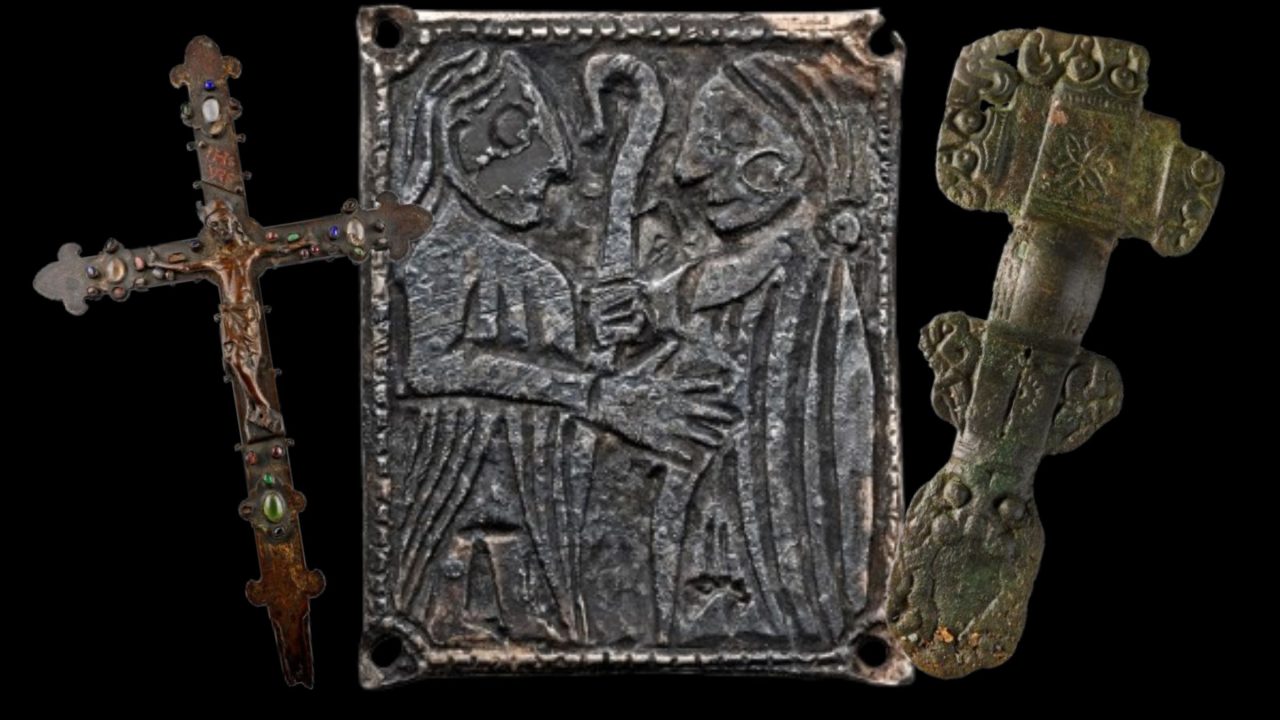
Reputable auction houses and specialized dealers are now offering everything from illuminated manuscript fragments to medieval coins, jewelry, and even small decorative objects that once graced castle halls and monastery libraries.
What’s Actually Available and What You’ll Pay
The variety of medieval artifacts available today might surprise you. Here’s a breakdown of what collectors can realistically find and purchase:
| Artifact Type | Price Range | Availability |
|---|---|---|
| Medieval Coins (12th-15th century) | $50-$500 | Common |
| Manuscript Fragments | $200-$3,000 | Moderate |
| Religious Medallions | $100-$800 | Common |
| Pottery Shards with Glazing | $75-$400 | Common |
| Small Bronze Objects | $300-$2,500 | Moderate |
| Carved Stone Fragments | $500-$5,000 | Rare |
The most accessible entry points for new collectors include:
- Medieval coins: Often the most affordable option with clear historical documentation
- Manuscript leaves: Single pages from medieval books, sometimes with beautiful illuminations
- Pilgrim badges: Small metal tokens worn by medieval pilgrims
- Seal matrices: Personal stamps used by medieval nobles and clergy
- Archaeological finds: Items recovered from legitimate excavations with proper documentation
I always tell new collectors to start with coins. They’re affordable, well-documented, and you can actually hold something a medieval merchant might have carried in their purse.
— Elena Rodriguez, Antiquities Dealer
The Authentication Challenge
Buying medieval artifacts requires careful navigation of authentication and provenance issues. The market has unfortunately attracted its share of forgeries and items with questionable histories.
Smart collectors focus on several key verification steps. First, they work only with established dealers who provide detailed provenance documentation. Second, they learn to recognize the signs of authentic aging and period-appropriate craftsmanship techniques.
Modern scientific analysis has become a powerful tool in authentication. Techniques like radiocarbon dating, pigment analysis, and metallurgical testing can definitively establish an object’s age and origin.
Never buy anything significant without seeing detailed provenance records. If a dealer can’t tell you where an item has been for the last 50 years, walk away.
— Professor Janet Morrison, Archaeological Ethics Institute
Reputable dealers will provide certificates of authenticity and often guarantee their attributions. They should also be transparent about any restoration work or conservation treatments the piece has undergone.
Where History Meets Your Living Room
Owning a medieval artifact creates an incredibly personal connection to history that goes far beyond what you might experience in a museum. Collectors describe the profound feeling of holding something created by human hands centuries ago.
The hobby has grown significantly among teachers, history enthusiasts, and people seeking meaningful alternatives to modern mass-produced decorative items. Many collectors find that their medieval pieces become conversation starters and educational tools.
Proper care and display are essential considerations. Medieval objects often require specific environmental conditions to prevent deterioration. Most pieces should be kept away from direct sunlight, in stable temperature and humidity conditions.
When I show students my 14th-century prayer book page, they suddenly understand that real people created these beautiful things. It makes history tangible in a way textbooks never could.
— Michael Chen, High School History Teacher
Insurance and security also become important factors. Many standard homeowner’s policies don’t adequately cover valuable collectibles, so specialized coverage may be necessary.
The Ethical Collecting Movement
Today’s medieval artifact collectors are increasingly conscious of ethical considerations. The legitimate market strongly emphasizes pieces with clear ownership histories and proper export documentation.
Many collectors actively support archaeological research by purchasing items from supervised excavations rather than pieces of unknown origin. This approach helps fund legitimate archaeological work while ensuring that historical context isn’t lost.
Professional organizations and collector groups have developed guidelines for responsible collecting that prioritize preservation and scholarship over mere ownership.
FAQs
How can I tell if a medieval artifact is authentic?
Work with reputable dealers who provide provenance documentation and certificates of authenticity. Look for signs of natural aging and period-appropriate construction techniques.
What’s the most affordable way to start collecting medieval artifacts?
Medieval coins are usually the most accessible entry point, often available for under $100 from legitimate dealers with good documentation.
Do I need special permits to own medieval artifacts?
In most countries, you don’t need permits to own properly imported medieval artifacts, but always verify the item has proper export documentation from its country of origin.
How should I store and display medieval objects?
Keep them away from direct sunlight in stable temperature and humidity conditions. Consider UV-filtering glass for display cases and avoid handling items with bare hands.
Are there any medieval artifacts I should avoid buying?
Avoid items without clear provenance, anything that might have been illegally excavated, and pieces from dealers who can’t provide detailed ownership histories.
Can medieval artifacts be good investments?
While some pieces appreciate in value, you should collect primarily for personal enjoyment and historical interest rather than as pure investments.

Leave a Reply