
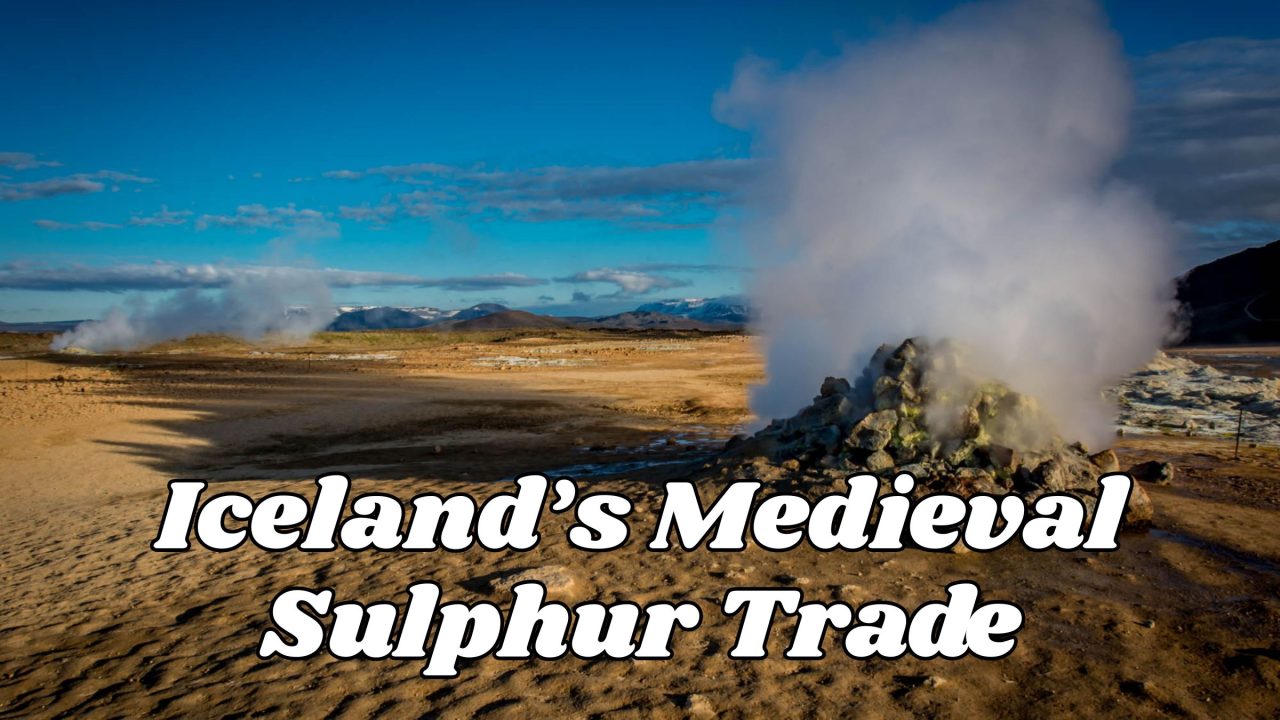
Long before Iceland became famous for its fish exports, a far more volatile commodity was quietly making its way across northern Europe — one pulled directly from the island’s volcanic earth. Bright yellow, pungent, and surprisingly useful, sulphur was among medieval Iceland’s most important exports, connecting a remote North Atlantic island to the wider worlds of warfare, medicine, and industry.
It’s not the first resource that comes to mind when you think of medieval trade. But as researcher Natascha Mehler has documented in her study of Iceland’s sulphur trade — spanning from the Viking Age through the end of the Hanseatic period — this overlooked mineral played a significant role in shaping Iceland’s place in European economic and political networks.
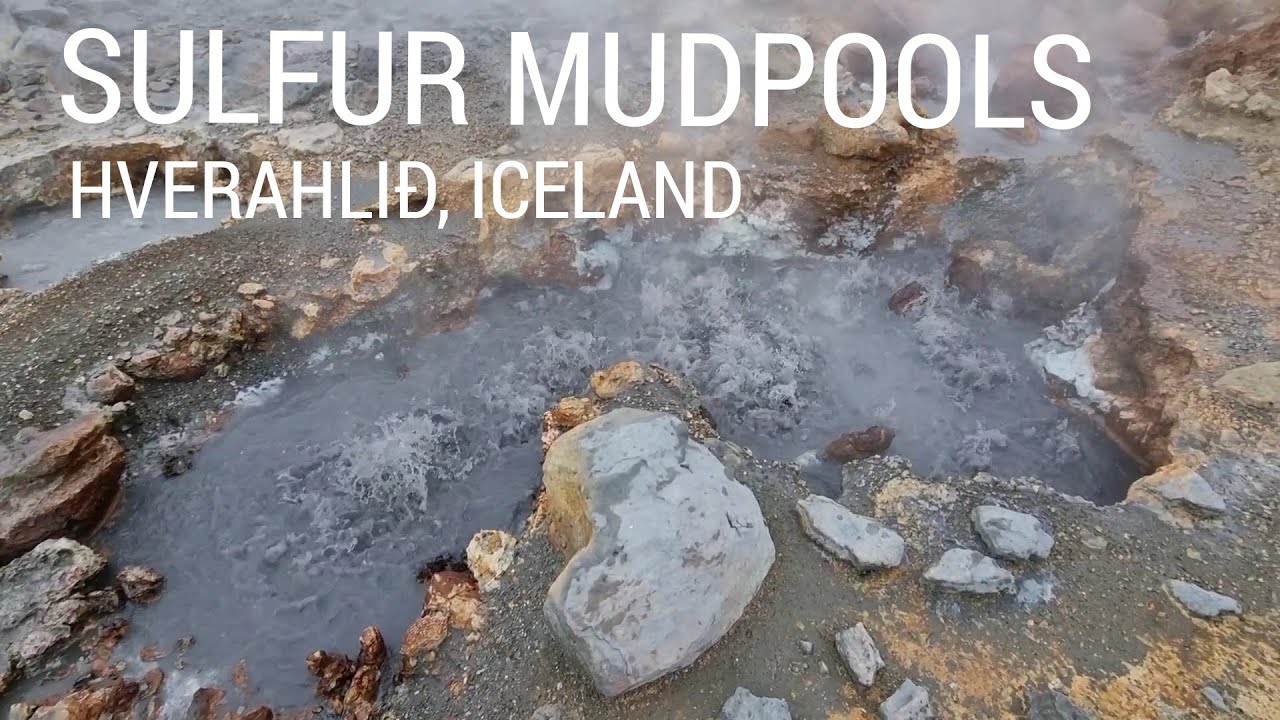
The story starts underground, in some of the most geologically active terrain on the planet.
Why Iceland Had Something No One Else Could Easily Get
Iceland sits along the Mid-Atlantic Ridge, a tectonic boundary where volcanic activity is constant and geothermal energy vents freely through the earth’s crust. In those geothermal zones, hydrogen sulphide gas rises to the surface and reacts with oxygen, forming elemental sulphur — the bright yellow deposits that still accumulate around volcanic vents and hot springs today.
What made Iceland’s sulphur especially valuable wasn’t just its abundance. It was its purity. Unlike sulphur found elsewhere in Europe, which was typically bound within other minerals and required significant processing, Iceland’s deposits existed in a relatively clean, elemental form. That made it far easier to collect and put to use.
By the thirteenth century, knowledge of sulphur’s properties had spread widely across Europe — reaching even its most remote corners, according to Mehler’s research. The timing mattered. Demand was growing, and Iceland happened to be sitting on exactly the right kind of supply.
The Medieval Sulphur Trade: What the Research Tells Us
Mehler’s article, “The Sulphur Trade of Iceland from the Viking Age to the End of the Hanseatic Period,” traces how this commodity evolved from a local resource into a genuine export product that tied Iceland into broader northern European commerce.
The geothermal region known as Hverarönd — sometimes called the “Land of Brimstone and Fire” — located near the volcano Krafla in northern Iceland, represents the kind of landscape that made this trade possible. These volcanic zones were Iceland’s version of a natural mine, producing a mineral that medieval Europe needed and couldn’t easily source elsewhere in the same pure form.
Sulphur’s appeal in the medieval period came from its range of applications. It was used in:
- Warfare — as a key ingredient in incendiary weapons and, later, gunpowder
- Medicine — for treating skin conditions and as part of various remedies
- Industry — in processes including metalworking and the treatment of textiles
A resource that crossed the boundaries between the battlefield, the apothecary, and the workshop was inherently valuable — and Iceland’s clean, accessible deposits made it a reliable supplier.
| Aspect | Detail |
|---|---|
| Source of Iceland’s sulphur | Volcanic geothermal zones along the Mid-Atlantic Ridge |
| Formation process | Hydrogen sulphide reacts with oxygen to form elemental sulphur |
| Key advantage over other sources | Found in relatively pure, elemental form — easier to collect and process |
| Period of documented trade | Viking Age through the end of the Hanseatic period |
| Known uses in medieval Europe | Warfare, medicine, and industry |
| Notable geothermal region | Hverarönd, near the volcano Krafla in northern Iceland |
| Researcher | Natascha Mehler |
How This Fits Into Iceland’s Bigger Economic Picture
Most people who know anything about medieval Iceland’s economy think of fish — and rightly so. By the later Middle Ages, Icelandic fish was a staple commodity traded widely across northern Europe. But sulphur represents something slightly different: a resource that was less visible in the historical record, more volatile in its physical nature, and yet arguably just as important for understanding how Iceland connected to the wider world.
The sulphur trade helped anchor Iceland within European commercial networks at a time when the island might otherwise have remained on the economic periphery. It gave merchants and trading powers — including those involved in the Hanseatic League’s northern operations — a reason to engage with Iceland beyond fish alone.
Mehler notes that by the thirteenth century, awareness of sulphur’s properties had reached even the more remote parts of Europe. That growing knowledge base created demand, and Iceland was positioned to meet it in a way few other places could.
What This Tells Us About Medieval Trade Networks
Stories like Iceland’s sulphur trade matter because they complicate the simple narratives we tend to tell about medieval commerce. Trade wasn’t just about grain, cloth, and spices moving along well-worn routes. It also involved unexpected commodities pulled from unusual landscapes — minerals drawn from volcanic islands, resources that connected remote places to the political and military needs of distant kingdoms.
Iceland’s geology, which might seem like a curiosity or a tourist attraction in the modern era, was a genuine economic asset in the Middle Ages. The same volcanic forces that make the island visually dramatic were also producing a commodity that fueled medieval warfare and stocked medieval medicine chests.
Research like Mehler’s helps fill in those gaps — recovering the economic history of places and products that rarely make it into the broader historical narrative. Sulphur isn’t glamorous. But for medieval Iceland, it was a real and significant link to the wider world.
Frequently Asked Questions
Why was Iceland able to produce sulphur in the Middle Ages?
Iceland’s location along the Mid-Atlantic Ridge gives it extensive volcanic and geothermal activity, where hydrogen sulphide gas reacts with oxygen to form elemental sulphur deposits around vents and hot springs.
What made Icelandic sulphur different from sulphur found elsewhere in Europe?
Iceland’s sulphur existed in a relatively pure, elemental form, making it easier to collect and process than sulphur that was chemically bound within other minerals in other European regions.
What was sulphur used for in medieval Europe?
According to
Who researched Iceland’s medieval sulphur trade?
Natascha Mehler authored the study titled “The Sulphur Trade of Iceland from the Viking Age to the End of the Hanseatic Period,” which traces the development and significance of this trade.
How long did Iceland’s sulphur trade last?
Based on Mehler’s research, the trade is documented from the Viking Age through the end of the Hanseatic period, representing several centuries of commercial activity.
Was sulphur more important than fish to medieval Iceland’s economy?
Fish was the more widely recognized export in the later Middle Ages, but researchers argue sulphur was arguably just as important for connecting Iceland to European economic and political networks.



Leave a Reply