
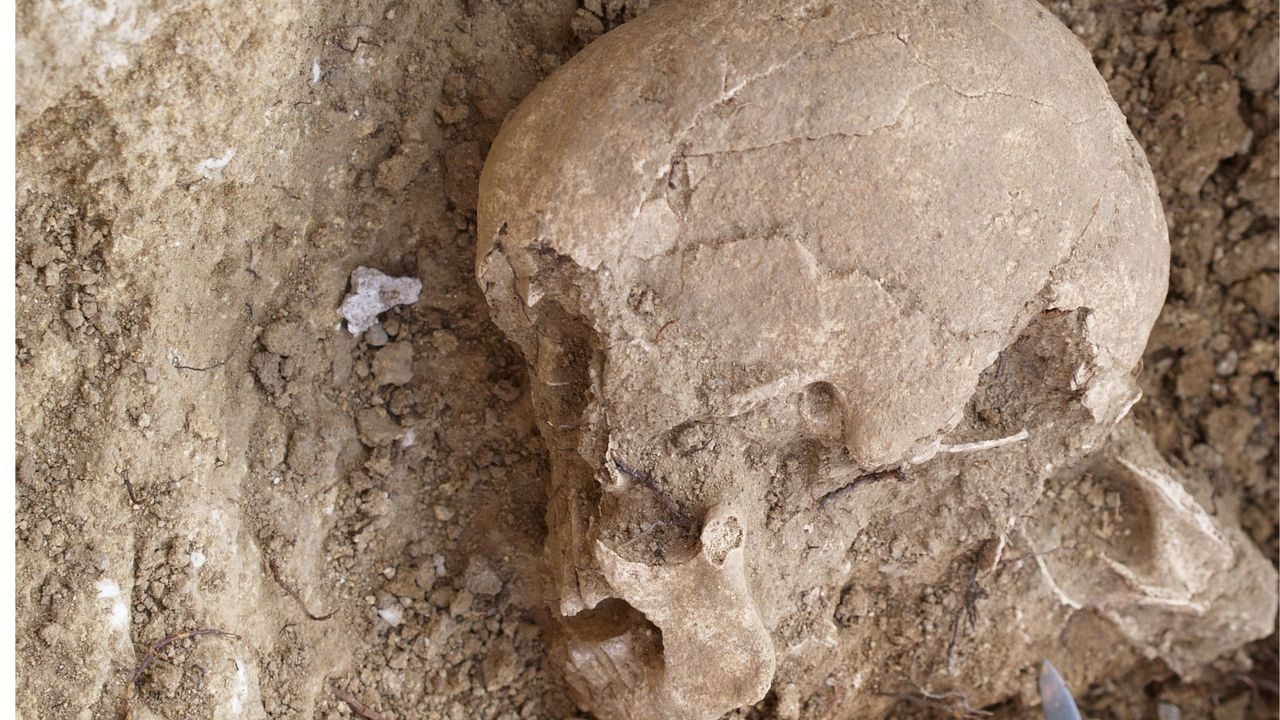
Two men buried inside a prehistoric stone monument in Spain during the Middle Ages are now offering a rare window into the complex world of medieval Iberia — and the DNA extracted from their remains is raising as many questions as it answers.
The burials were discovered within a Stone Age monument that had been constructed thousands of years before the two men were laid to rest there. Researchers have now completed a new analysis of these remains, and while the genetic data sheds light on the ancestry of at least one of the men, it leaves a significant mystery wide open: which religion did they practice?
Medieval Spain was a crossroads of Christian, Muslim, and Jewish communities — and figuring out which tradition these men belonged to, based solely on where and how they were buried, turns out to be far more complicated than it might seem.
A Stone Age Monument Repurposed Centuries Later
It’s not unusual in archaeology to find that ancient monuments were reused long after their original builders were gone. Stone Age structures across Europe were treated with reverence — or at least significance — by later populations who sometimes buried their own dead within them.
That appears to be exactly what happened here. The prehistoric monument in Spain, built millennia before the medieval period, became the final resting place for at least two men who lived in a very different world from the people who first raised those stones.
What makes this particular discovery compelling is the combination of genetic analysis and historical context. The researchers were not just looking at bones — they were trying to reconstruct who these men were, where their families came from, and what their presence inside this ancient structure might tell us about medieval life in the region.
What the DNA Actually Revealed
The genetic analysis produced some striking results. One of the men showed ancestry connected not only to European populations but also to people from outside Europe — a finding that reflects the deeply mixed demographic reality of medieval Spain.
The Iberian Peninsula during the Middle Ages was home to waves of migration, conquest, and cultural exchange. Populations with roots in North Africa, the Middle East, and across Europe all left their mark on the region’s gene pool. The DNA from this burial appears to reflect exactly that kind of mixed heritage.
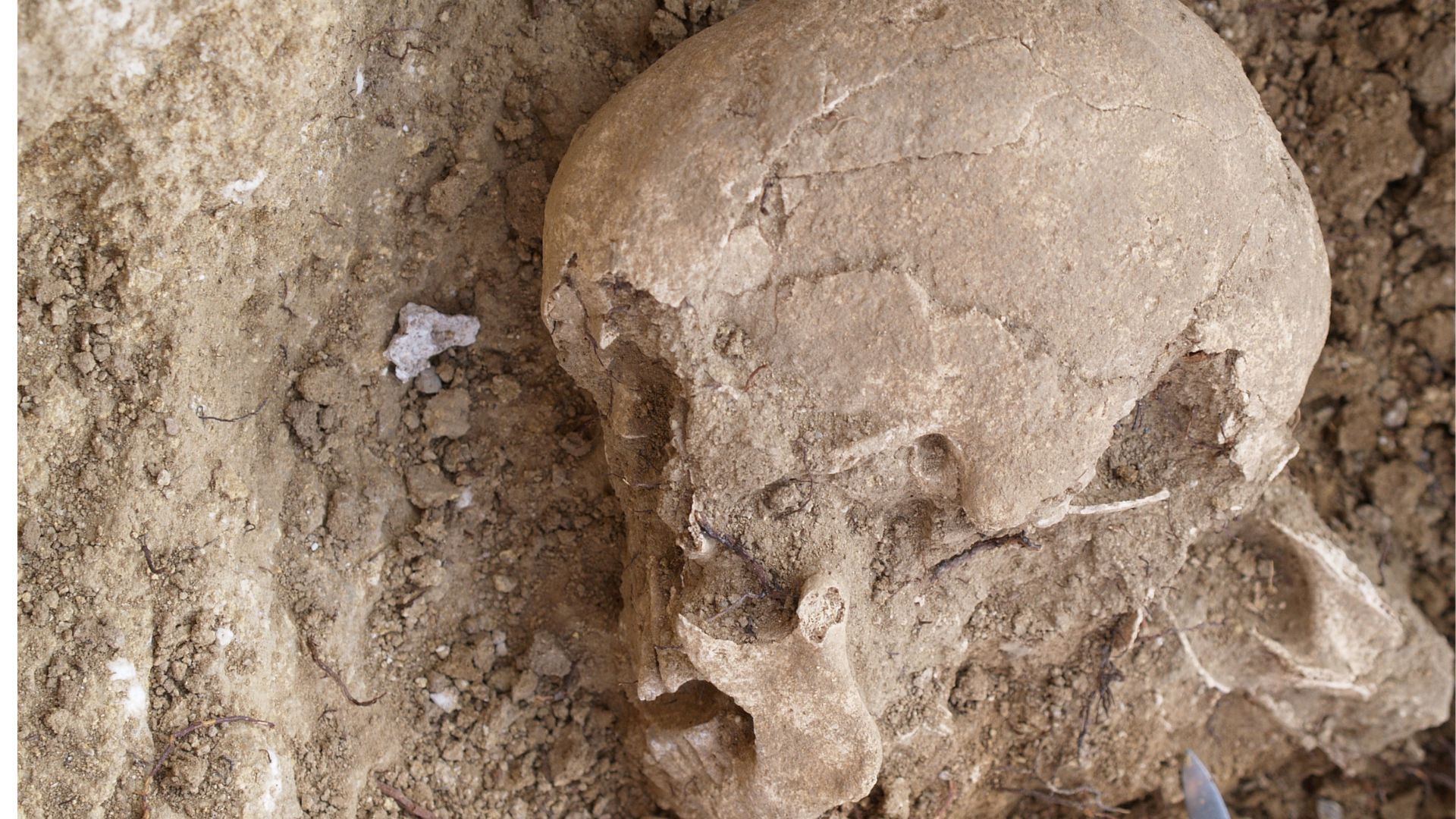
The research was conducted with the involvement of the University of Sevilla’s research group ATLAS, which also provided imagery from the site, including photographs of the skulls recovered from the burials.
The Religious Question That DNA Cannot Answer
Here is where the story gets genuinely complicated. Medieval Spain was home to three major religious communities — Christians, Muslims, and Jews — each with distinct burial practices. In theory, the way someone was buried should offer clues about their faith.
But in practice, the picture is rarely that clean. Burial customs overlapped, changed over time, and were influenced by local traditions that didn’t always align neatly with religious doctrine. A body placed inside an ancient stone monument doesn’t automatically point to any single faith.
The researchers have not been able to determine with confidence which religion the two men practiced. That ambiguity is itself historically meaningful — it speaks to the fluid, layered nature of identity in medieval Iberia, where religious, ethnic, and cultural boundaries were constantly being negotiated.
Key Facts From the Discovery at a Glance
| Detail | What Is Known |
|---|---|
| Location | Spain (prehistoric stone monument) |
| Period of burials | Medieval period |
| Monument’s original construction | Stone Age (millennia before the burials) |
| Number of individuals analyzed | At least two men |
| Ancestry findings | One man linked to both European and non-European populations |
| Religion | Undetermined — remains a mystery |
| Research institution | University of Sevilla, research group ATLAS |
- The monument predates the burials by thousands of years
- DNA analysis confirmed mixed ancestry in at least one individual
- The religious identity of the men cannot be confirmed from available evidence
- The University of Sevilla’s ATLAS research group is leading the analysis
Why This Finding Matters Beyond the Burial Site
Stories like this one matter because they push back against simplified narratives about who lived where, and when, and why. Medieval Spain is often discussed in broad strokes — the Reconquista, the coexistence of three faiths, the eventual expulsions of Jews and Muslims. But the reality on the ground was far messier and more human than any single narrative can capture.
When a man with ancestry tied to multiple populations ends up buried inside a monument built thousands of years before his birth, it tells you something profound about how people moved through history — carrying their genes, their beliefs, and their identities across landscapes that were never as fixed as maps suggest.
For researchers, each burial like this one is a data point in a much larger effort to reconstruct the true demographic and cultural history of the Iberian Peninsula. Ancient DNA analysis has transformed that effort over the past decade, making it possible to ask questions that burial goods and architectural styles alone could never answer.
What Researchers Are Still Working to Determine
The religious identity of the two men remains the central open question. Researchers will likely continue examining the burial context — the positioning of the bodies, any associated objects, the precise location within the monument — for additional clues.
Further genetic analysis of other individuals buried at or near the site could also help build a broader picture of who was using this ancient space during the medieval period, and whether the two men were part of a larger community or more isolated cases.
The University of Sevilla’s ATLAS research group has not yet announced a timeline for additional findings, but the discovery has already added a meaningful piece to the puzzle of medieval Iberian identity.
Frequently Asked Questions
Where was this medieval burial discovered?
The two men were buried inside a prehistoric stone monument located in Spain, though the specific site name was not detailed in the available source material.
What did DNA analysis reveal about the men’s ancestry?
At least one of the men showed genetic links to both European populations and people from outside Europe, reflecting the mixed demographic heritage of medieval Spain.
Why can’t researchers determine the religion of the buried men?
Burial practices in medieval Spain overlapped across Christian, Muslim, and Jewish communities, making it difficult to assign a specific faith based on burial location and context alone.
How old is the stone monument where the men were buried?
The monument dates to the Stone Age, meaning it was constructed thousands of years before the medieval burials took place inside it.
Which institution is conducting the research?
The analysis is associated with the University of Sevilla’s research group ATLAS, which has also provided imagery from the site.
Will researchers be able to identify the religion of the men in the future?
This has not yet been confirmed — researchers are continuing to examine the burial context, but no definitive answer has been announced.


Leave a Reply