
Professor Elena Ramirez carefully adjusted her reading glasses as she opened the rare 14th-century illuminated manuscript in the Morgan Library’s climate-controlled vault. After thirty years studying medieval texts, her hands still trembled slightly when handling these irreplaceable treasures. “Every page tells a story that connects us directly to people who lived centuries ago,” she whispered to her graduate student. “These aren’t just old books—they’re time machines.”
This reverence for medieval and Renaissance manuscripts is exactly what drives the world’s most prestigious institutions to carefully select their manuscript curators. The Morgan Library & Museum has just made a significant appointment that’s sending ripples through the academic community.
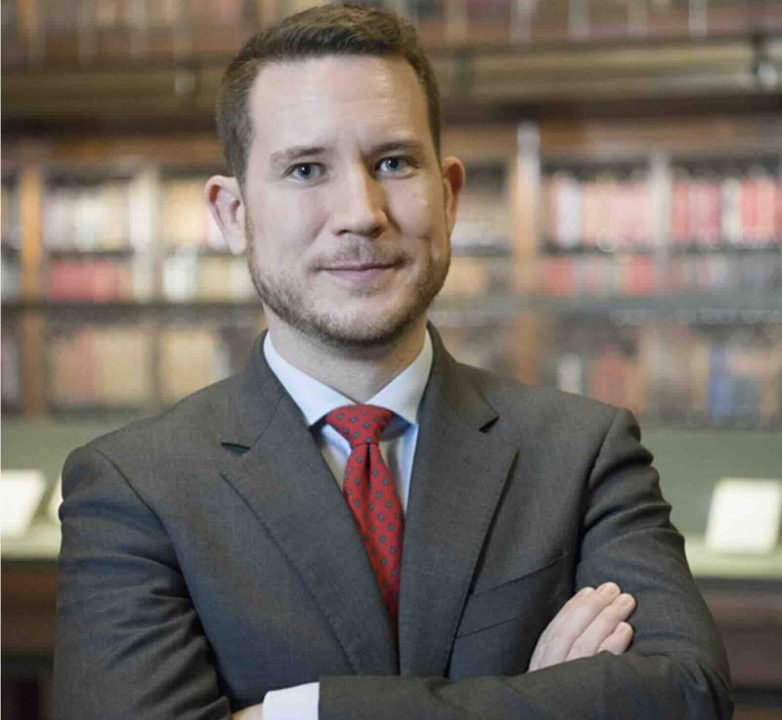
The Morgan Library & Museum recently announced that Joshua O’Driscoll has been named the new Head of Medieval and Renaissance Manuscripts, one of the most coveted positions in the field of manuscript studies. This appointment represents more than just a career milestone—it signals the institution’s continued commitment to preserving and interpreting some of humanity’s most precious written heritage.
A New Chapter for Medieval Manuscript Studies
O’Driscoll’s appointment comes at a crucial time when digital humanities and traditional manuscript studies are converging in exciting new ways. His role will involve overseeing one of the world’s most significant collections of medieval and Renaissance manuscripts, spanning over a thousand years of human creativity and knowledge.
The Morgan’s collection includes everything from illuminated Books of Hours to scientific treatises, literary works, and religious texts. These manuscripts represent the pinnacle of medieval artistry and scholarship, with many considered unique survivors from their respective periods.
The appointment of a new head of manuscripts is always significant, but particularly so at an institution like the Morgan, where the collection’s depth and breadth require both scholarly expertise and curatorial vision.
— Dr. Sarah Mitchell, Medieval Studies Association
O’Driscoll brings extensive experience in manuscript studies, having worked with major collections across Europe and North America. His research has focused particularly on the intersection of text and image in medieval manuscripts, making him ideally suited to interpret the Morgan’s rich holdings of illuminated works.
What This Appointment Means for Scholars and the Public
The role of Head of Medieval and Renaissance Manuscripts at the Morgan involves multiple responsibilities that directly impact both academic research and public engagement:
- Collection Development: Acquiring new manuscripts and fragments that complement existing holdings
- Research Leadership: Conducting original scholarship while supporting visiting researchers
- Exhibition Planning: Curating displays that make medieval culture accessible to modern audiences
- Digital Initiatives: Overseeing digitization projects that make manuscripts available worldwide
- Conservation Oversight: Working with conservators to preserve fragile materials for future generations
The position also involves significant collaboration with international institutions, as manuscript studies increasingly relies on global networks of scholars and collections.
| Key Responsibilities | Impact Area | Primary Beneficiaries |
|---|---|---|
| Manuscript Acquisition | Collection Growth | Future Researchers |
| Research Publications | Academic Knowledge | Scholarly Community |
| Public Exhibitions | Cultural Education | General Public |
| Digital Projects | Global Access | Worldwide Audience |
| Conservation Planning | Preservation | Future Generations |
Modern manuscript curators must be part scholar, part educator, and part digital innovator. The field has evolved tremendously in the past decade.
— Dr. Michael Thompson, Manuscript Studies Institute
The Morgan’s Medieval Manuscript Legacy
The Morgan Library & Museum houses one of the most important manuscript collections in North America. Founded by financier J.P. Morgan, the collection has grown to include masterpieces from across medieval Europe and beyond.
Some of the collection’s crown jewels include the Glazier Codex, one of the earliest complete copies of Acts of the Apostles, and the spectacular Crusader Bible, with its hundreds of vivid miniatures depicting biblical scenes. These works represent not just artistic achievement but also windows into medieval thought, belief, and daily life.
Under O’Driscoll’s leadership, the department will likely continue expanding its digital presence. The Morgan has been at the forefront of manuscript digitization, making high-resolution images available to researchers worldwide who might never be able to visit in person.
Digital access has revolutionized manuscript studies, but there’s still nothing quite like seeing the actual parchment, feeling the texture of centuries-old vellum, and observing details that even the best photography can’t capture.
— Dr. Catherine Williams, Digital Humanities Center
Challenges and Opportunities Ahead
O’Driscoll steps into the role during an exciting but challenging time for manuscript studies. Climate change poses increasing threats to preservation efforts, while technological advances offer new possibilities for research and public engagement.
The field is also grappling with questions of accessibility and inclusivity. How can medieval studies, traditionally dominated by European materials and perspectives, embrace a more global and diverse approach? How can institutions make these treasures meaningful to contemporary audiences who may feel disconnected from medieval culture?
These challenges require innovative thinking and collaborative approaches. O’Driscoll’s background suggests he’s well-prepared to navigate these complex issues while maintaining the scholarly rigor that the Morgan’s reputation demands.
The next generation of manuscript curators needs to think beyond traditional boundaries, embracing new technologies while never losing sight of the human stories these texts contain.
— Dr. James Rodriguez, International Manuscript Studies Council
For medieval enthusiasts and scholars, O’Driscoll’s appointment represents continuity and innovation. The Morgan’s commitment to hiring leading experts ensures that these priceless manuscripts will continue receiving the expert care and scholarly attention they deserve.
As libraries and museums worldwide compete for top talent in manuscript studies, the Morgan’s successful recruitment of O’Driscoll reinforces its position as a global leader in medieval and Renaissance studies. This appointment promises exciting developments for anyone passionate about connecting with our shared cultural heritage through these remarkable surviving texts.
FAQs
What qualifications are needed to become a head of manuscripts at a major institution?
Typically requires a PhD in medieval studies, art history, or related field, plus extensive experience with manuscript collections and proven research credentials.
How many medieval manuscripts does the Morgan Library own?
The Morgan houses several thousand medieval and Renaissance manuscripts, ranging from complete codices to individual leaves and fragments.
Can the public view these manuscripts?
Yes, through rotating exhibitions and by appointment for research purposes, though access is carefully controlled to protect the fragile materials.
Why are medieval manuscripts so valuable?
They’re often unique survivors from their time period, containing irreplaceable information about history, art, literature, and daily life in medieval society.
How does digitization affect manuscript studies?
Digital imaging allows global access to manuscripts while reducing handling of originals, revolutionizing research possibilities for scholars worldwide.
What’s the difference between medieval and Renaissance manuscripts?
Medieval manuscripts typically date from roughly 500-1450 CE, while Renaissance manuscripts span the 14th-16th centuries, often showing humanist influences and different artistic styles.
Leave a Reply