
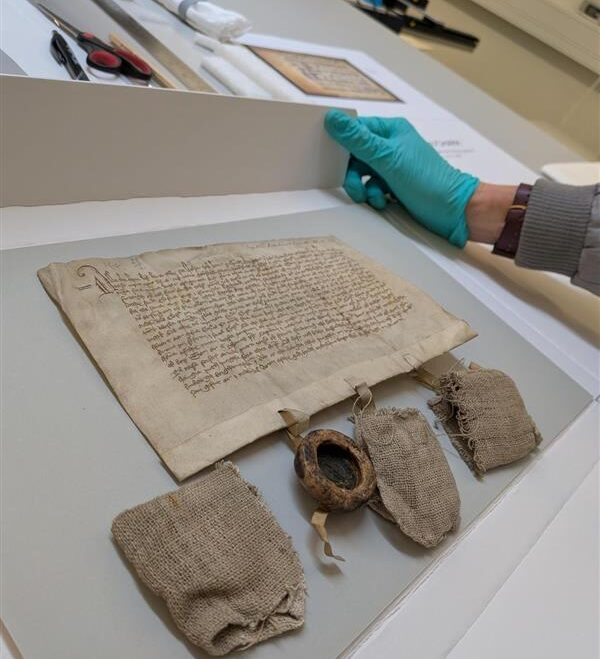
Professor Astrid Thornberg carefully adjusted her reading glasses as she opened the ancient vellum manuscript for the first time in decades. The faded ink, painstakingly applied by a medieval Nordic scribe centuries ago, seemed to whisper stories of a forgotten world where writing was both art and sacred duty.
“Every stroke tells a story,” she murmured to her research assistant, tracing the elegant curves of runic letters with her finger. “These weren’t just scribes—they were master craftspeople whose skills shaped how knowledge survived the centuries.”
What Professor Thornberg discovered in that moment would soon become the foundation of one of the most ambitious medieval studies projects in recent memory.
Uncovering the Lost Art of Medieval Nordic Writing
A groundbreaking new research initiative is diving deep into the intricate world of medieval Nordic writing practices, promising to revolutionize our understanding of how knowledge was created, preserved, and transmitted across Scandinavian cultures between the 10th and 15th centuries.
The project, led by an international team of medievalists, paleographers, and digital humanities experts, focuses on the often-overlooked craft aspects of medieval writing in Nordic regions. Unlike previous studies that primarily examined content, this research explores the physical techniques, tools, materials, and social contexts that shaped how medieval Nordic scribes approached their work.
This isn’t just about what medieval Nordic writers wrote, but how they wrote it. The craft itself tells us as much about their society as the words they preserved.
— Dr. Erik Lindqvist, Medieval Studies Researcher
The timing couldn’t be more significant. As digitization efforts accelerate worldwide, scholars are racing to document traditional writing techniques before this knowledge disappears entirely. Medieval Nordic writing represents a unique intersection of runic traditions, Latin influences, and indigenous Scandinavian practices that created distinctive regional styles.
What makes this project particularly fascinating is its focus on the human element behind medieval manuscripts. Each surviving text represents countless hours of meticulous work by individual craftspeople who developed sophisticated techniques for everything from ink preparation to parchment treatment.
The Tools and Techniques That Shaped History
The research reveals stunning details about the sophisticated methods medieval Nordic scribes employed in their daily work. Far from primitive copying, these craftspeople developed advanced techniques that ensured manuscripts could survive harsh Nordic climates and frequent handling.
Key discoveries from the project include previously unknown ink formulations, specialized tools adapted for Nordic conditions, and unique binding techniques that helped manuscripts withstand temperature fluctuations.
| Writing Element | Nordic Innovation | Purpose |
|---|---|---|
| Ink Formulation | Iron gall with pine resin additive | Prevented freezing and cracking |
| Parchment Treatment | Seal fat conditioning | Maintained flexibility in cold |
| Binding Method | Wooden boards with metal clasps | Protected against moisture |
| Writing Tools | Bone styluses with metal tips | Precise control in cold conditions |
The project team has documented several revolutionary practices that set Nordic scriptoriums apart from their European counterparts:
- Development of cold-weather writing techniques that maintained ink flow in freezing temperatures
- Creation of specialized illumination methods using local pigments from Nordic minerals and plants
- Innovation in manuscript storage systems designed for long, dark winters
- Integration of runic and Latin scripts in ways that preserved indigenous writing traditions
- Establishment of traveling scribe networks that connected remote Nordic communities
These scribes weren’t just copying texts—they were problem-solving engineers who had to adapt Mediterranean writing traditions to work in completely different environmental conditions.
— Dr. Sigrid Olafsdottir, Paleography Specialist
Why This Research Matters Today
The implications of this medieval writing research extend far beyond academic circles. Understanding these historical techniques provides crucial insights for modern conservation efforts, digital preservation projects, and even contemporary artistic practices.
Museums and libraries worldwide are applying findings from this research to improve their manuscript preservation methods. The environmental adaptations developed by medieval Nordic scribes offer practical solutions for protecting historical documents in challenging climates.
Additionally, the project is revealing how writing technologies spread across medieval Europe through trade networks and cultural exchange. Nordic scriptoriums served as crucial links between Eastern and Western European intellectual traditions, facilitating knowledge transfer that shaped the development of literacy across the continent.
Every technique we uncover helps us understand not just how medieval people wrote, but how they thought about preserving knowledge for future generations. It’s remarkably relevant to our digital preservation challenges today.
— Professor Magnus Eriksson, Digital Humanities Director
The research also highlights the sophisticated level of technological innovation present in medieval Nordic societies. Far from being isolated or primitive, these communities developed advanced solutions to complex technical challenges that modern researchers are only beginning to fully appreciate.
For contemporary artists and craftspeople, the project provides inspiration and practical techniques that can be adapted for modern use. Several contemporary calligraphers and bookbinders are already experimenting with recreating medieval Nordic methods.
The broader cultural impact cannot be understated. This research challenges common misconceptions about medieval Nordic societies, revealing them as sophisticated centers of learning and innovation rather than simply warrior cultures.
We’re discovering that medieval Nordic scriptoriums were essentially research and development centers, constantly innovating to solve practical problems while preserving and creating knowledge.
— Dr. Astrid Johannsen, Cultural Historian
Looking Forward
The project represents just the beginning of a broader effort to understand medieval writing cultures across different regions and time periods. Researchers are already planning similar investigations into other understudied medieval writing traditions.
As the team continues their work, they’re building comprehensive databases that will allow future scholars to access detailed information about medieval writing techniques. This digital archive promises to become an invaluable resource for researchers, educators, and anyone interested in the history of written communication.
The ultimate goal extends beyond academic knowledge. By understanding how our ancestors approached the craft of writing, we gain insights into fundamental questions about how humans create, preserve, and transmit knowledge across generations.
FAQs
What time period does this medieval Nordic writing research cover?
The project focuses primarily on the period between the 10th and 15th centuries, when Nordic writing traditions were most distinctive.
How did Nordic scribes adapt their techniques for cold weather?
They developed special ink formulations that wouldn’t freeze, used bone and metal tools that worked better in cold conditions, and created warming techniques for their writing spaces.
What makes Nordic medieval writing different from other European traditions?
Nordic scribes uniquely combined runic and Latin traditions while developing environmental adaptations specific to Scandinavian climates and materials.
Are any of these medieval techniques still used today?
Some conservation specialists and traditional craftspeople are reviving certain techniques, particularly for specialized bookbinding and manuscript preservation.
How does this research help with modern manuscript conservation?
Understanding medieval techniques provides insights into how historical manuscripts were made, which helps conservators choose appropriate preservation methods.
Where can people learn more about medieval Nordic writing?
The project team is developing online resources and databases that will make their findings accessible to researchers and the general public.
Leave a Reply