
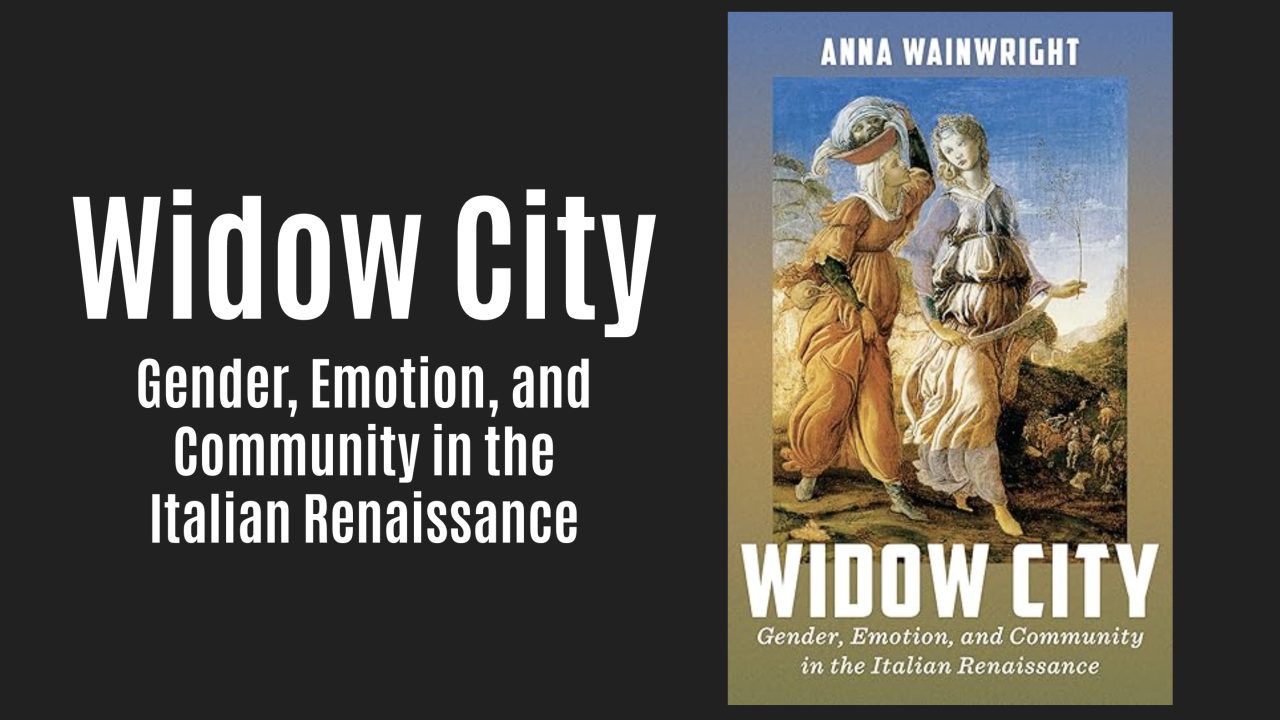
Retired librarian Cordelia Hartwell ran her fingers along the spine of an old manuscript reproduction, feeling the familiar thrill she’d experienced for forty years among medieval texts. At 68, she thought her days of discovering groundbreaking medieval literature were behind her—until she stumbled across a mention of “Widow City” in a scholarly newsletter.
“I’ve read thousands of medieval works,” she whispered to herself, adjusting her reading glasses. “How did I miss this one?”
That moment of curiosity led Cordelia down a rabbit hole that medieval literature enthusiasts everywhere are now celebrating. She wasn’t alone in her excitement—scholars and casual readers alike are buzzing about a fresh wave of medieval books hitting the shelves, with “Widow City” leading the charge.
A Medieval Renaissance in Modern Publishing
The medieval literature scene is experiencing something remarkable right now. Publishers who once treated medieval studies as a niche market are suddenly paying attention, and “Widow City” represents the tip of an exciting iceberg.
This isn’t just another dry academic text gathering dust on university shelves. The new wave of medieval books, spearheaded by titles like “Widow City,” brings fresh perspectives to stories and themes that have captivated readers for centuries.
The medieval period offers everything modern readers crave—political intrigue, complex characters, and universal themes of power, love, and survival. These new books are finally presenting these stories in ways that feel immediate and relevant.
— Dr. Margaret Chen, Medieval Literature Professor at Columbia University
What makes “Widow City” particularly intriguing is its focus on often-overlooked perspectives from medieval society. Instead of centering on knights and kings, it explores the experiences of widowed women who carved out spaces of agency in a male-dominated world.
What’s Inside the New Medieval Book Collection
The current medieval book boom isn’t limited to “Widow City.” Publishers are releasing an impressive array of titles that span different aspects of medieval life, literature, and culture. Here’s what’s catching readers’ attention:
| Book Focus | Key Features | Target Audience |
|---|---|---|
| Widow City | Women’s experiences, urban medieval life | General readers, feminist scholars |
| Medieval Mystery Collections | Detective stories, monastery settings | Mystery lovers, history buffs |
| Artisan Chronicles | Craftspeople, guild systems | Social historians, craft enthusiasts |
| Pilgrimage Tales | Travel narratives, spiritual journeys | Travel writers, religious studies |
These books share several compelling characteristics that set them apart from traditional medieval scholarship:
- Accessible language that doesn’t sacrifice scholarly rigor
- Focus on previously marginalized voices and experiences
- Integration of recent archaeological and historical discoveries
- Narrative approaches that bring medieval worlds to life
- Contemporary relevance without forcing modern parallels
We’re seeing medieval books that read like novels but maintain historical accuracy. That’s a difficult balance, but when it works, it opens up these fascinating worlds to readers who might never pick up a traditional academic text.
— James Morrison, Senior Editor at Historical Publishing House
Why Medieval Literature Matters Right Now
You might wonder why medieval books are suddenly having a moment. The answer lies in what these stories offer to contemporary readers grappling with uncertainty, social change, and questions about power and community.
Medieval literature has always dealt with themes that feel surprisingly modern. People in the Middle Ages faced pandemics, economic upheaval, political instability, and social transformation. Their stories provide both escape and insight.
“Widow City” exemplifies this relevance. The book explores how women created networks of support and influence despite legal and social constraints—themes that resonate strongly with modern discussions about women’s rights and economic independence.
Medieval widows often had more legal rights than married women. They could own property, run businesses, and make independent decisions. These stories challenge our assumptions about medieval women and offer inspiration for contemporary struggles.
— Professor Elena Rodriguez, Women’s Studies at University of Chicago
The appeal extends beyond academic circles. Book clubs are choosing medieval titles, historical fiction writers are drawing inspiration from these scholarly works, and even podcasters are dedicating episodes to discussing medieval themes and characters.
Impact on Readers and Scholars
This medieval book renaissance is creating ripple effects throughout the literary world. University bookstores report increased sales of medieval texts, and libraries are expanding their medieval collections to meet growing demand.
For scholars, these accessible books serve as bridges between academic research and public engagement. They’re finding new audiences for their work while maintaining scholarly standards.
General readers benefit from expertly researched content presented in engaging formats. Instead of struggling through dense academic prose, they can enjoy well-crafted narratives that educate while they entertain.
I’ve had more conversations about medieval history in the past six months than in the previous six years. These books are giving people entry points into discussions about historical periods they thought were boring or irrelevant.
— David Park, Independent Bookstore Owner
The success of “Widow City” and similar titles is also influencing how publishers approach historical subjects. They’re investing in books that combine scholarly expertise with narrative appeal, creating a new category that serves both educational and entertainment purposes.
For aspiring writers interested in historical subjects, these books provide models for how to balance accuracy with accessibility. They demonstrate that readers hunger for well-researched historical content when it’s presented engagingly.
The medieval book trend shows no signs of slowing down. Publishers are already announcing additional titles for next year, and literary agents report increased interest in medieval-themed proposals.
Whether you’re a longtime medieval enthusiast like Cordelia or someone who’s never considered picking up a book about the Middle Ages, this new wave of publications offers something compelling. They prove that stories from centuries past can speak directly to contemporary concerns while transporting readers to fascinating historical worlds.
FAQs
What makes “Widow City” different from other medieval books?
It focuses specifically on women’s experiences in medieval urban settings, offering perspectives often overlooked in traditional medieval literature.
Are these new medieval books suitable for general readers or just academics?
They’re specifically designed for general readers while maintaining scholarly accuracy, making medieval subjects accessible to everyone.
Where can I find these new medieval books?
Most are available through major bookstores, online retailers, and increasingly in public library collections.
Do I need background knowledge to enjoy these books?
No, they’re written to be accessible to readers with no prior knowledge of medieval history or literature.
Are more medieval books planned for release?
Yes, publishers report strong sales and are planning additional medieval-themed titles for the coming year.
What topics do these new medieval books cover?
They range from women’s experiences and artisan life to mystery stories and pilgrimage tales, covering diverse aspects of medieval society.
Leave a Reply