
Evelyn sat in the quiet corner of her university library, surrounded by towering shelves of dusty medieval texts. As a graduate student in medieval studies, she’d spent countless hours poring over chronicles and manuscripts, but something had always bothered her about the narratives she read. Where were the voices questioning faith? Where were the doubts, the spiritual struggles that surely existed in an age defined by religious devotion?
Her professor had often reminded the class that history is written by the victors—and in medieval times, that usually meant the Church. But what about those who remained silent? What about the stories that were never told?
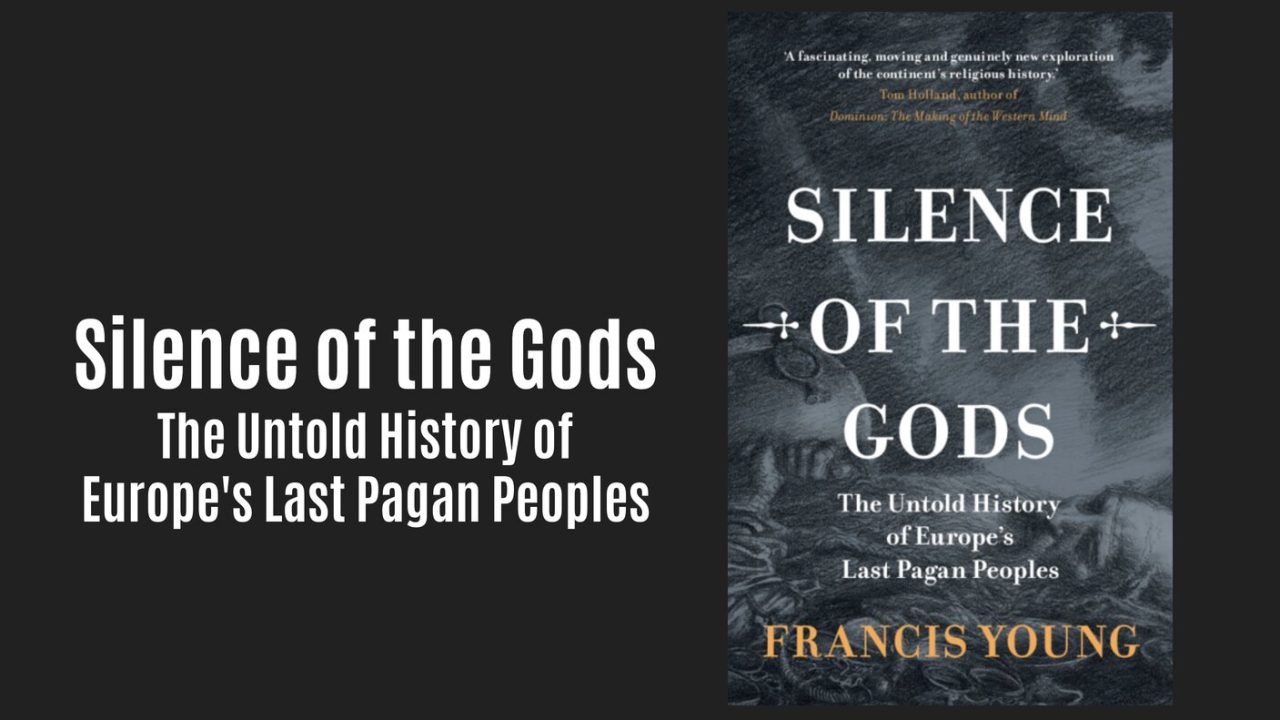
This exact question drives the compelling new release “Silence of the Gods,” a groundbreaking medieval book that’s capturing attention from scholars and history enthusiasts alike. The work promises to shed light on the untold spiritual narratives of the Middle Ages, exploring the complex relationship between faith, doubt, and power in medieval society.
Uncovering the Hidden Voices of Medieval Spirituality
“Silence of the Gods” represents a significant addition to medieval literature, focusing on the often-overlooked aspects of religious doubt and spiritual questioning during the Middle Ages. Unlike traditional medieval texts that primarily document the triumphs of faith, this new work delves into the more nuanced and complex spiritual landscape of the era.
The book examines how religious dissent and questioning were suppressed, silenced, or transformed into acceptable forms of devotion. It challenges the common perception that medieval society was uniformly devout, instead revealing a rich tapestry of spiritual experiences that included doubt, rebellion, and alternative forms of worship.
The medieval period wasn’t the monolithic age of faith that many imagine. There were always voices of dissent, questions being asked in whispered conversations, and alternative spiritual practices happening in the shadows.
— Dr. Margaret Thornfield, Medieval Studies Professor at Oxford
What makes this work particularly compelling is its approach to primary sources. Rather than relying solely on official church documents and royal chronicles, the authors have excavated evidence from court records, personal letters, and even graffiti found in medieval buildings to piece together these silenced narratives.
Key Themes and Revolutionary Insights
The book covers several groundbreaking areas that haven’t received adequate scholarly attention until now. Here’s what readers can expect to discover:
- Underground Spiritual Movements: Documentation of secret religious practices that existed parallel to official Christianity
- Women’s Spiritual Agency: How medieval women found ways to express religious authority despite institutional restrictions
- Peasant Theology: The folk religious beliefs that differed significantly from official church doctrine
- Clerical Doubt: Evidence of priests and monks who privately questioned church teachings
- Regional Variations: How geography and local culture influenced religious practice and belief
The research methodology behind “Silence of the Gods” is particularly impressive. The authors spent over five years examining archives across Europe, from small parish records to major cathedral libraries. They’ve also incorporated archaeological evidence and linguistic analysis to build their arguments.
| Research Source | Time Period Covered | Key Findings |
|---|---|---|
| Court Records | 1200-1400 | Evidence of heresy trials and religious dissent |
| Personal Letters | 1100-1500 | Private expressions of doubt and questioning |
| Church Graffiti | 900-1400 | Anonymous religious commentary and criticism |
| Folk Songs | 1000-1300 | Alternative spiritual narratives in oral tradition |
What struck me most about this research was how creative people were in finding ways to express spiritual doubt. They couldn’t speak openly, so they found other channels—art, music, even jokes and riddles.
— Dr. James Whitmore, Author and Medieval Historian
Why This Book Matters for Modern Readers
“Silence of the Gods” isn’t just an academic exercise—it has profound implications for how we understand religious freedom, dissent, and the relationship between institutional power and individual belief. The parallels to modern struggles with religious authority and spiritual autonomy are striking.
For students and scholars of medieval history, this book provides crucial missing pieces to the puzzle of medieval life. It helps explain social tensions, political movements, and cultural developments that seemed mysterious when viewed only through the lens of official religious doctrine.
The work also offers valuable insights for anyone interested in the history of religious thought. It demonstrates how questioning and doubt have always been part of the human spiritual experience, even in societies where such questioning was dangerous or forbidden.
This book fills a massive gap in our understanding of medieval spirituality. For too long, we’ve assumed that silence meant consent, but as this work shows, silence often meant survival.
— Professor Elena Rosetti, Institute for Medieval Studies
The publication comes at a time when interest in medieval studies is experiencing a renaissance. Popular culture has renewed fascination with the Middle Ages, but much of that interest has focused on politics, warfare, and material culture. “Silence of the Gods” offers a deeper, more personal look at how ordinary people navigated the complex spiritual landscape of their time.
For medievalists and history enthusiasts, this book represents a significant contribution to the field. It challenges long-held assumptions and opens new avenues for research. The methodology alone—combining traditional historical analysis with archaeological evidence and linguistic studies—sets a new standard for medieval scholarship.
Every generation of historians needs to ask new questions of old sources. This book does exactly that, and the results are fascinating. It’s going to change how we teach medieval history.
— Dr. Robert Ashworth, Medieval Literature Specialist
The impact of “Silence of the Gods” extends beyond academic circles. It offers modern readers a chance to connect with the universal human experience of questioning, doubting, and seeking meaning—experiences that transcend any particular historical period or religious tradition.
FAQs
Who is the target audience for “Silence of the Gods”?
The book appeals to medieval studies scholars, history students, and general readers interested in religious history and spiritual questioning throughout history.
How does this book differ from other medieval history texts?
Unlike traditional medieval histories that focus on official church doctrine and political events, this book explores the hidden spiritual lives and suppressed religious voices of ordinary people.
What primary sources does the book use?
The authors draw from court records, personal letters, church graffiti, folk songs, and archaeological evidence rather than relying solely on official church documents.
Is the book accessible to non-academic readers?
Yes, while scholarly in its approach, the book is written in an engaging style that makes complex historical concepts understandable to general readers.
What time period does the book cover?
The book primarily focuses on the High and Late Middle Ages, roughly from 1000 to 1500 CE, with some earlier and later references for context.
How might this book influence future medieval studies research?
It establishes new methodological approaches for uncovering silenced voices and challenges researchers to look beyond official sources when studying medieval spirituality.
Leave a Reply