
Professor Eleanora Blackwood carefully opened the leather-bound ledger, its pages yellowed with age. After decades of studying medieval history, she thought she’d seen everything. But this 14th-century household record from a minor English lord’s estate made her hands tremble with excitement.
“Look at this,” she whispered to her graduate student. “They recorded every single purchase, every meal, every piece of clothing. It’s like having a window directly into someone’s daily life 700 years ago.”
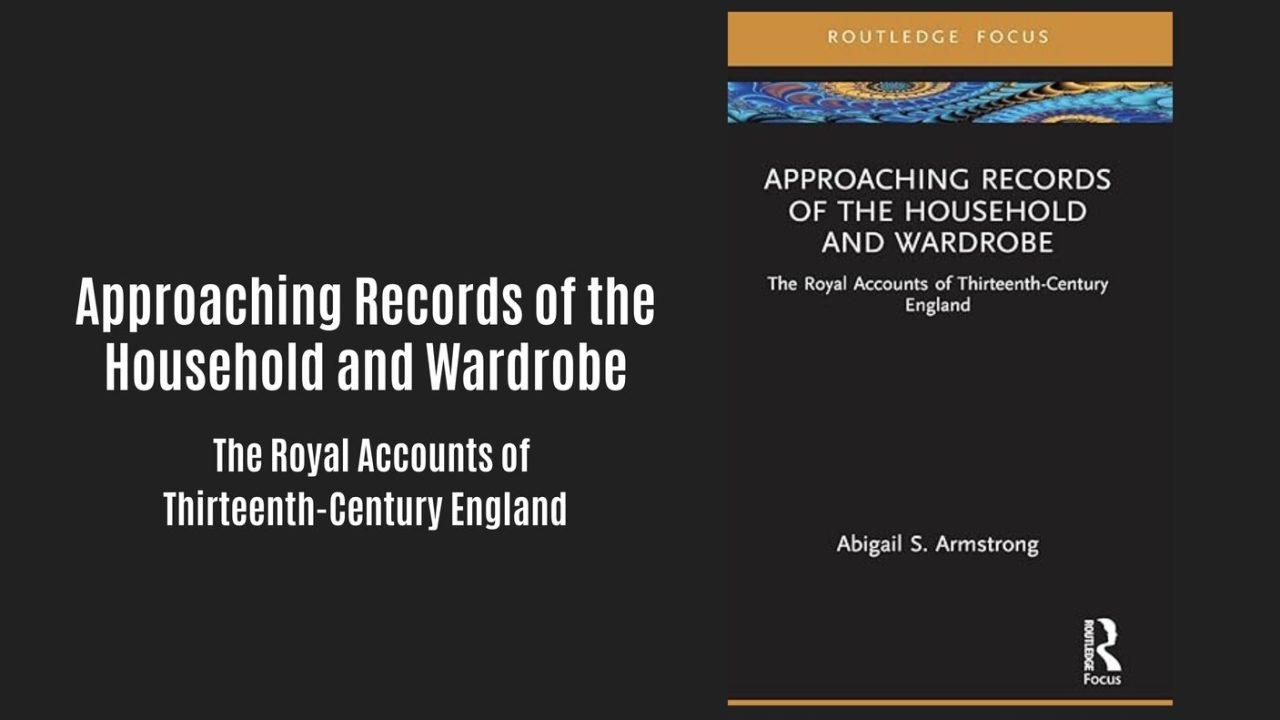
That moment of discovery represents exactly what medieval scholars around the world are experiencing right now. A groundbreaking new collection of books is revolutionizing how researchers approach medieval household and wardrobe records, transforming dusty archives into vibrant stories of real people’s lives.
Unlocking Medieval Life Through Household Records
Medieval household and wardrobe records have long been the hidden treasures of historical research. These documents, meticulously kept by stewards and clerks centuries ago, contain extraordinary details about daily life that chronicles and official histories simply don’t capture.
The new scholarly approach outlined in recent publications focuses on treating these records not just as administrative documents, but as intimate portraits of medieval society. Instead of simply cataloging expenses, researchers are now uncovering stories about family relationships, social status, seasonal rhythms, and economic pressures that shaped medieval life.
What makes these records so special? Unlike formal chronicles written for posterity, household accounts were practical documents. They recorded reality: what people actually ate, wore, bought, and valued in their daily lives.
These records are like medieval social media posts – they show us what people actually cared about day by day, not what they wanted history to remember.
— Dr. Marcus Thornfield, Medieval Studies, Cambridge University
What These Medieval Records Actually Contain
The scope of information preserved in medieval household and wardrobe records is staggering. Here’s what researchers are discovering:
| Record Type | Information Found | Historical Insights |
|---|---|---|
| Kitchen Accounts | Daily meals, seasonal foods, feast preparations | Diet, health, social hierarchies, agricultural cycles |
| Wardrobe Records | Clothing purchases, fabric types, seasonal changes | Fashion trends, social status, trade connections |
| Household Staff Lists | Wages, duties, living arrangements | Employment practices, social mobility, family structures |
| Gift Exchanges | Presents given and received, ceremonial items | Political alliances, friendship networks, cultural values |
| Travel Expenses | Journey costs, accommodations, equipment | Transportation networks, communication systems, safety concerns |
The new methodological approaches encourage scholars to read these records horizontally across time periods rather than just vertically through single years. This reveals patterns that were previously invisible.
- Seasonal spending patterns that reflect agricultural and religious cycles
- Emergency expenses that reveal political instability or natural disasters
- Gift-giving networks that map political and social relationships
- Clothing purchases that track fashion changes and economic conditions
- Food records that show dietary changes, health concerns, and cultural preferences
We’re not just counting pennies anymore. We’re reconstructing entire worlds of human experience that have been waiting in archives for centuries.
— Professor Isabel Montrose, Medieval Economic History, Oxford
Revolutionary Research Methods Transform Ancient Data
The new approaches to medieval household records combine traditional paleographic skills with cutting-edge digital humanities techniques. Researchers are creating databases that allow for unprecedented cross-referencing and pattern analysis.
Digital mapping tools now track the geographic origins of purchases, revealing trade networks and cultural exchanges that spanned continents. Statistical analysis reveals spending patterns that reflect everything from political tensions to climate changes.
Perhaps most importantly, these new methods emphasize the human stories within the numbers. Rather than treating medieval people as distant historical figures, researchers are uncovering their personalities, preferences, and daily struggles.
When you see a medieval lord’s steward carefully noting the purchase of special foods for a sick child, or extra candles during a long winter, you realize these weren’t just account books – they were records of love, care, and human resilience.
— Dr. Catherine Aldridge, Social History Institute
Why This Matters Beyond Academic Circles
This revolution in medieval household record research has implications far beyond university libraries. Understanding how people in the past managed resources, built social networks, and adapted to challenges offers valuable insights for contemporary issues.
Climate historians are using medieval household records to understand how communities adapted to weather extremes and agricultural disruptions. Economic researchers are finding parallels between medieval and modern consumer behavior patterns.
Museums and heritage sites are using these discoveries to create more accurate and engaging displays that show visitors what medieval life actually felt like, not just what it looked like from the outside.
The research is also revealing the crucial roles that women, servants, and other often-overlooked groups played in medieval society. Many household records were kept by women or reflect women’s decision-making in ways that formal political documents never captured.
These records give voice to people who were written out of traditional histories. We’re finally hearing from the medieval middle class, from working women, from ordinary families trying to make ends meet.
— Professor James Whitfield, Social History Research Center
The new approaches to medieval household and wardrobe records represent more than just improved research techniques. They’re fundamentally changing how we understand the medieval period, revealing it not as a distant, alien time, but as an era filled with recognizable human experiences, concerns, and joys.
For anyone interested in history, genealogy, or simply understanding how societies function, these developments offer fascinating new windows into our shared human past. The medieval world, it turns out, was far more complex, interconnected, and emotionally rich than we ever imagined.
FAQs
What are medieval household records?
They’re detailed account books kept by medieval families and institutions that recorded daily expenses, purchases, and activities, providing intimate glimpses into medieval life.
Why are these records important for historians?
Unlike formal chronicles, household records show what people actually did, ate, wore, and valued in their daily lives, revealing social patterns invisible in official documents.
How are researchers using new methods to study these records?
They’re combining traditional manuscript analysis with digital databases, statistical analysis, and mapping tools to reveal patterns across time and geography.
What kind of information do wardrobe records contain?
Wardrobe records detail clothing purchases, fabric types, seasonal changes, and personal accessories, revealing fashion trends, social status, and trade connections.
Can ordinary people access these research findings?
Yes, many universities and museums are making digitized records and research findings available online, and using them to create public exhibitions and educational materials.
How do these records change our understanding of medieval women?
They reveal women’s economic decision-making, household management skills, and social networks in ways that formal political documents typically overlooked.
Leave a Reply