
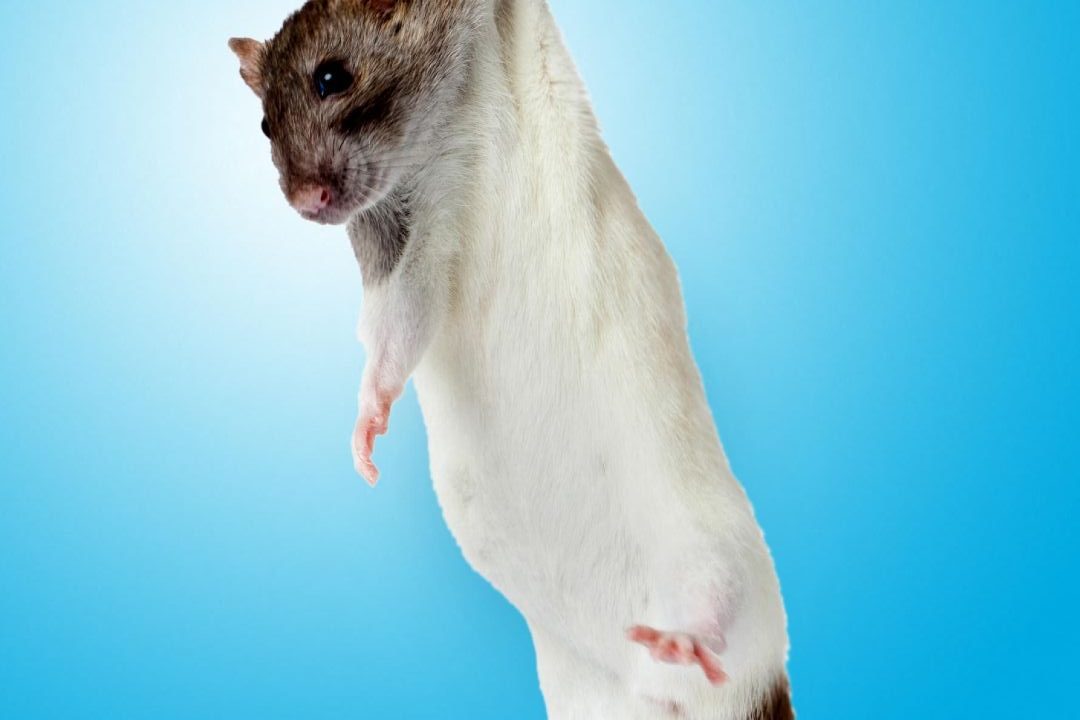
What if the secret to stronger muscles wasn’t in the weight room — but in your gut? A new study suggests that a specific species of bacteria, one associated with the Mediterranean diet, may actually help build muscle strength. And when researchers fed this microbe to mice, the animals genuinely got stronger.
The findings are early, and they come from animal research rather than human trials. But the implications are striking enough to turn heads in both nutrition science and sports medicine circles. The idea that a probiotic supplement could one day support muscle health is no longer purely theoretical.
Here’s what the research actually shows — and what it doesn’t yet prove.

The Gut-Muscle Connection Scientists Are Taking Seriously
For years, researchers have known that the gut microbiome — the vast community of bacteria, fungi, and other microorganisms living in your digestive tract — plays a role in far more than digestion. It influences immunity, mental health, inflammation, and metabolism. Now, muscle strength appears to be on that list too.
The new study found that people with stronger muscles were more likely to carry a particular species of bacteria in their guts. That’s a correlation, not a cause-and-effect relationship on its own. But researchers didn’t stop there.
When they took that same bacterial species and fed it directly to mice, those mice became stronger. That step — moving from an observed association in humans to a measurable physical change in an animal model — is what makes this research stand out from a simple observational study.
The microbe in question is linked to the Mediterranean diet, a way of eating long celebrated for its cardiovascular and anti-inflammatory benefits. The diet is rich in vegetables, legumes, whole grains, fish, and olive oil — foods that are known to support a diverse and healthy gut microbiome. This new research adds another potential benefit to that already long list.
What the Study Found — and What It Confirmed
The core findings of the research can be broken down into two distinct parts: what was observed in humans, and what was tested in mice.
| Finding Type | Subject | Result |
|---|---|---|
| Observational | Humans | Stronger individuals more likely to harbor the specific gut bacteria |
| Experimental | Mice | Mice fed the bacteria showed measurable increases in muscle strength |
| Dietary Link | General | The bacterial species is associated with the Mediterranean diet |
| Future Application | Research stage | Potential for probiotic supplement — but preservation method still needed |
The study authors themselves acknowledged that turning this microbe into a usable probiotic supplement isn’t straightforward. A key challenge is finding a way to preserve the bacteria so it remains viable in a supplement form — something that hasn’t yet been worked out.
- The bacterial species is naturally associated with Mediterranean diet foods
- Humans with greater muscle strength showed higher prevalence of this microbe
- Mice fed the bacteria demonstrated real strength gains in testing
- Researchers see potential for a future probiotic application
- A preservation method for supplement use still needs to be developed
Why This Matters Beyond the Lab
Muscle strength isn’t just an athletic concern. It’s a major predictor of long-term health, especially as people age. Loss of muscle mass — a condition called sarcopenia — affects a significant portion of older adults and is linked to falls, reduced mobility, longer hospital stays, and higher mortality rates.
If a gut microbe can genuinely support muscle strength, the potential applications stretch well beyond gym performance. Older adults trying to maintain independence, patients recovering from illness or surgery, and people with conditions that cause muscle weakness could all theoretically benefit from a targeted probiotic approach.
That said, this research is still in early stages. Mouse studies don’t always translate cleanly to human outcomes, and the researchers have not yet conducted clinical trials in people. The jump from “works in mice” to “safe and effective for humans” is significant, and it requires years of additional research.
Still, the fact that the bacteria is linked to a diet that humans already eat — and that many people already follow — gives this line of research a practical foundation that purely synthetic interventions often lack.
The Mediterranean Diet Connection Worth Paying Attention To
The Mediterranean diet has been studied extensively for its effects on heart disease, cognitive decline, diabetes risk, and longevity. Its association with a muscle-strengthening gut microbe adds a new dimension to the conversation about why this particular way of eating appears to support so many aspects of health.
The diet’s emphasis on fiber-rich plant foods, fermented products, and healthy fats creates an environment in the gut that encourages beneficial microbial diversity. Researchers believe this is one of the key mechanisms behind many of the diet’s observed health effects — and this new study suggests muscle function may belong on that list.
For people already eating a Mediterranean-style diet, this is further evidence that the approach supports the body in ways that go well beyond what’s visible on a plate. For those who aren’t, it may be one more compelling reason to look more closely at the eating pattern.
What Comes Next for This Research
The path from a promising mouse study to a real-world probiotic supplement is long, but the direction is clear. Researchers are focused on two primary challenges: confirming these effects in human subjects, and solving the technical problem of preserving the bacteria in a stable supplement form.
Until those hurdles are cleared, no probiotic product based on this specific microbe is available or ready for use. Anyone seeing products making claims based on this research should approach them with skepticism — the science simply isn’t there yet to support commercial applications.
What is clear is that the relationship between gut bacteria and physical performance is a growing and serious area of scientific inquiry. This study adds meaningful momentum to that field.
Frequently Asked Questions
What gut microbe was linked to muscle strength in this study?
The study identified a specific bacterial species associated with the Mediterranean diet, though It was found in higher levels in people with greater muscle strength.
Did the bacteria actually make mice stronger?
Yes. When researchers fed the bacterial species to mice, the animals showed measurable increases in muscle strength, moving the finding beyond a simple association.
Can I take a probiotic supplement for this right now?
Not yet. The study authors noted that a preservation method for the bacteria still needs to be developed before it could be used in a supplement.
Is this research confirmed in humans?
The human component of the study was observational — meaning stronger people were more likely to have this bacteria, but cause and effect in humans has not yet been established through clinical trials.
How is this connected to the Mediterranean diet?
The bacterial species identified in the research is associated with the Mediterranean diet, suggesting that eating this way may help cultivate the microbe naturally in the gut.
Should I change my diet based on this study?
This research is preliminary and based on mouse models. However, the Mediterranean diet has broad, well-established health benefits, and this study adds to the existing evidence supporting it.



Leave a Reply