
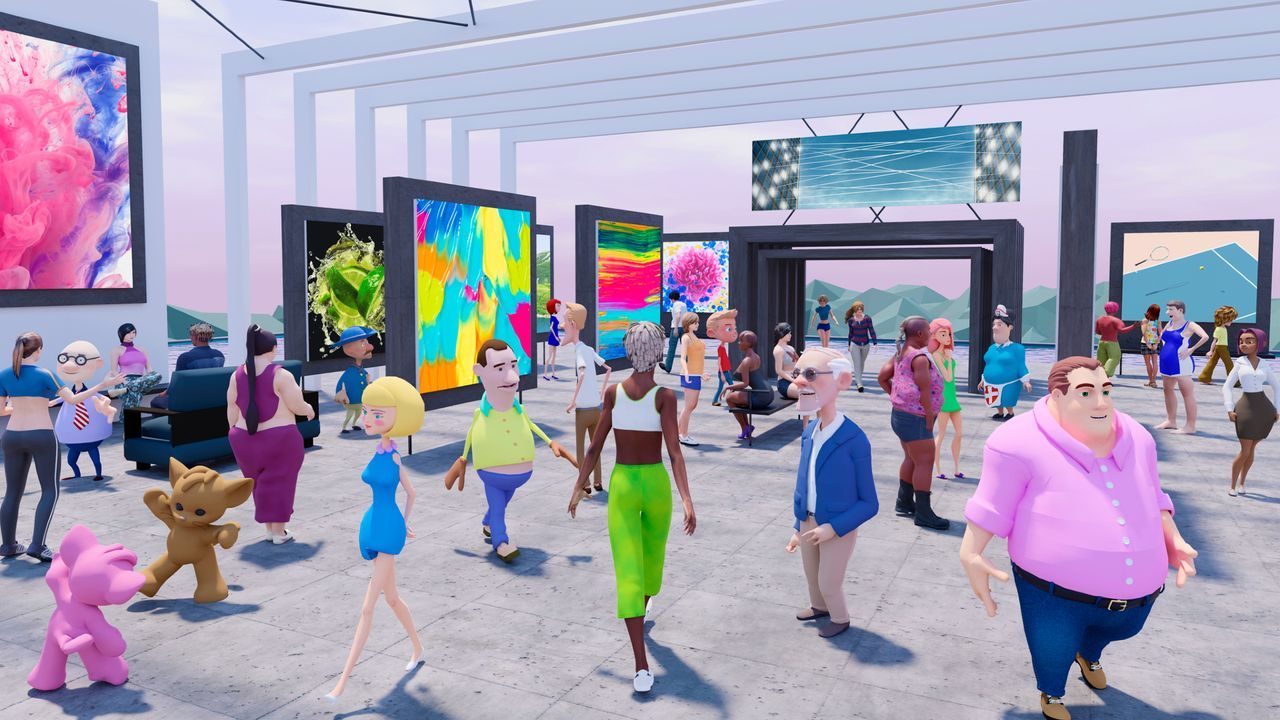
One of the biggest companies in the world changed its own name to bet on it. Billions of dollars were poured into building it. And then, almost as quickly as it arrived, the metaverse seemed to vanish from public conversation — replaced by a new obsession with artificial intelligence and quietly mocked as one of tech’s most expensive miscalculations. But is the metaverse actually dead, or just resting quietly while the rest of us moved on?
That question is more interesting than it might seem. The hype cycle around virtual worlds was genuinely deafening just a few years ago, peaking during the COVID-19 era when the idea of living, working, and socializing inside immersive digital spaces felt not just plausible but almost inevitable. Now, most ordinary people have stopped talking about it entirely — except to reminisce about the hype or make jokes at the technology’s expense.
So what actually happened? And should we care?
What the Metaverse Was Supposed to Be
The concept of the metaverse — a persistent, shared virtual world where people could work, play, shop, and connect — captured the imagination of technologists, investors, and futurists in the early 2020s. The timing wasn’t accidental. Lockdowns and remote work had already pushed millions of people deeper into digital life, and the idea of a fully immersive virtual layer on top of reality felt like the logical next step.
The hype reached a symbolic peak when Facebook rebranded itself as Meta, a move that signaled just how seriously the company’s leadership believed in virtual worlds as the next major computing platform. It was a striking corporate bet — renaming one of the most recognized brands in technology history after a concept that, at the time, still existed mostly as a promise.
Other major players poured resources in too. Tech companies, gaming platforms, and startups raced to stake claims in what was being described as the next version of the internet. Virtual real estate sold for eye-watering sums. Brands held events inside digital spaces. Consultants wrote earnest reports about what it would mean for business.
Why the Metaverse Lost the Room
Several forces worked against the metaverse’s momentum, and they didn’t all arrive at once — they accumulated.
- The AI pivot: The explosive arrival of generative AI tools captured the public’s attention and redirected both investment and media focus. Suddenly, the most exciting frontier in technology wasn’t virtual worlds — it was large language models, image generators, and AI assistants.
- The hype outpaced the reality: Early metaverse experiences were widely criticized as clunky, visually underwhelming, and socially awkward. The gap between the vision and what users actually encountered was difficult to ignore.
- Hardware barriers: Immersive virtual reality still requires headsets that many people find uncomfortable, expensive, or simply inconvenient for daily use.
- Post-pandemic normalization: As the world reopened, the urgency around finding digital substitutes for physical experience faded. People returned to offices, restaurants, and social gatherings — the real-world alternatives the metaverse was partly designed to supplement.
The result was a sharp cooling of enthusiasm that left some high-profile metaverse projects struggling to justify their continued existence and many early adopters quietly moving on.
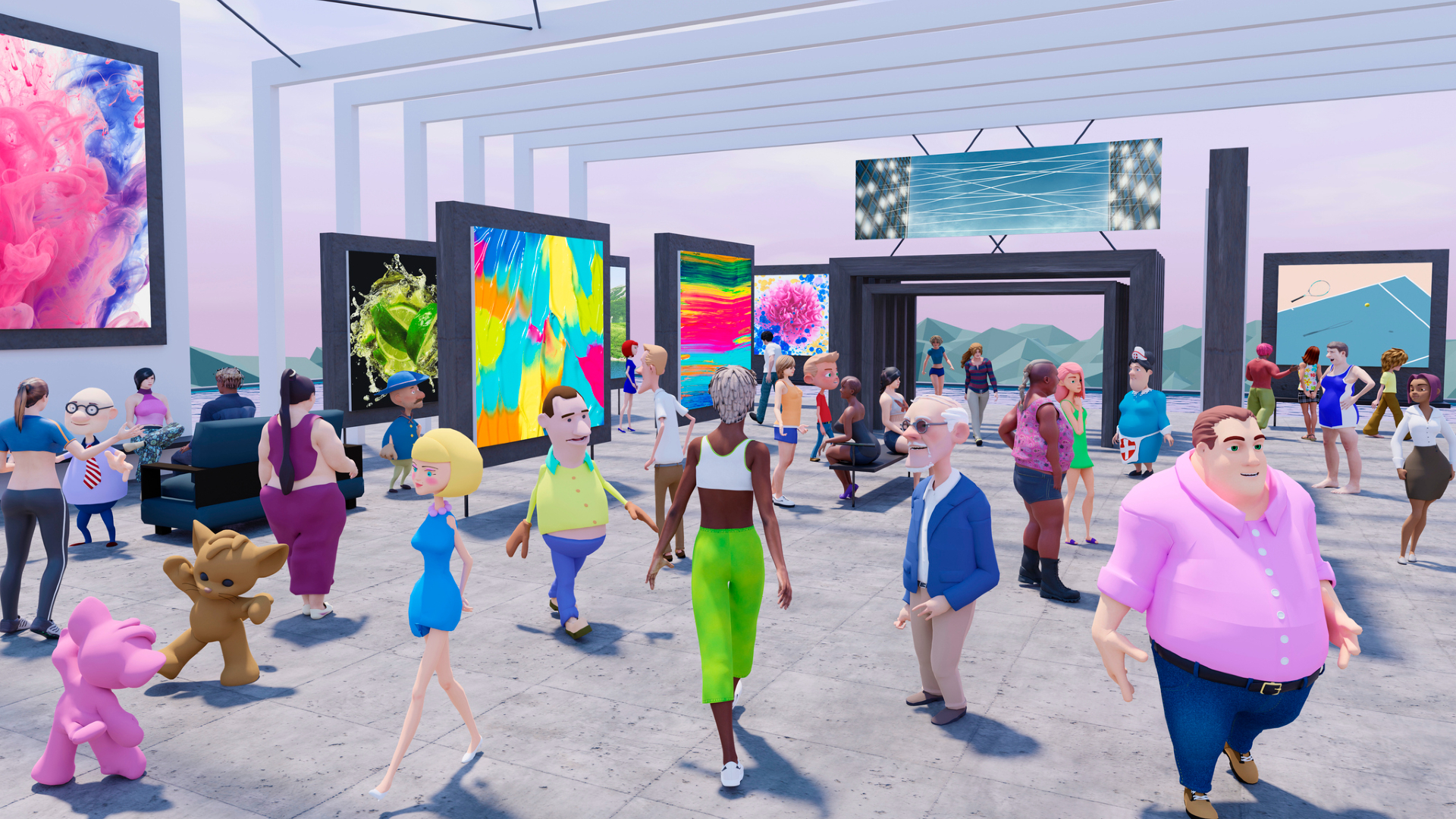
The Metaverse by the Numbers: Hype vs. Reality
| Factor | Peak Hype Era | Current Status |
|---|---|---|
| Public interest | Widespread, mainstream coverage | Largely faded from general conversation |
| Corporate branding | Facebook renamed itself Meta | Meta has since refocused heavily on AI |
| Competing technology | No dominant rival narrative | AI has absorbed most tech attention and investment |
| Dominant discourse | Future of work, socializing, commerce | Retrospective jokes and cautionary tales |
| Timing context | COVID-19 era, remote-work boom | Post-pandemic normalization |
Is This Actually the End, or Just a Quiet Chapter?
Here’s where it gets more nuanced. Technology concepts rarely die cleanly — they tend to either quietly mature into something useful and less glamorous, or they get absorbed into the next big thing. The metaverse may be doing both simultaneously.
Virtual and augmented reality technologies continue to develop, even without the fanfare. Gaming has long operated as a kind of proto-metaverse, with millions of people spending real time and real money inside persistent digital worlds. The underlying infrastructure — spatial computing, virtual collaboration tools, immersive entertainment — hasn’t disappeared just because the buzzword lost its shine.
What did die, arguably, was a specific and inflated version of the metaverse: the idea that it would rapidly become a dominant platform replacing much of how we work and socialize. That version was always more marketing vision than near-term engineering reality, and the public eventually stopped buying it.
Observers note that this pattern is common in technology. Enormous early hype tends to produce a period of disappointment when reality doesn’t match the promise — followed, sometimes years later, by quieter, more practical adoption. Whether virtual worlds follow that arc remains genuinely open.
What This Means for Anyone Who Was Paying Attention
If you invested in virtual real estate, staked a brand presence in early metaverse platforms, or simply bought into the idea that this would be the defining technology of the decade — the past two years have been a humbling correction. The lesson many technologists are drawing is a familiar one: the timeline for transformative technology is almost always longer and messier than the hype suggests.
For most people, the more practical takeaway is skepticism about the next wave of sweeping technological promises — AI very much included. The metaverse’s rise and fall is now being cited in conversations about whether current AI excitement is following a similar trajectory, with similar risks of overcorrection in either direction.
The virtual worlds aren’t gone. But the version of the future they were supposed to represent has been quietly revised.
Frequently Asked Questions
Is the metaverse completely dead?
The extreme hype has faded significantly, and public interest has dropped sharply, but the underlying technologies — virtual reality, augmented reality, and digital social spaces — continue to exist and develop.
Why did the metaverse lose public interest so quickly?
A combination of factors contributed, including the rise of AI capturing tech attention, early metaverse experiences failing to match the vision, hardware limitations, and the post-pandemic return to in-person life.
Why did Facebook change its name to Meta?
Facebook rebranded as Meta during the peak of metaverse hype, signaling the company’s belief that virtual worlds would become the next major computing platform. The name change became one of the most visible symbols of that era’s enthusiasm.
Has Meta moved away from the metaverse?
Meta has since shifted significant focus toward artificial intelligence, reflecting the broader industry pivot away from virtual worlds as the dominant near-term technology story.
Could the metaverse make a comeback?
Technology concepts often follow a cycle of hype, disappointment, and quieter practical adoption. Whether virtual worlds eventually find mainstream relevance in a less glamorous form remains an open question that has not yet been answered.
Is AI replacing the metaverse as the dominant tech hype cycle?
Many observers are drawing direct comparisons between metaverse excitement and current AI enthusiasm, using the metaverse’s trajectory as a reference point for thinking about whether AI expectations may also be outpacing near-term reality.




Leave a Reply