
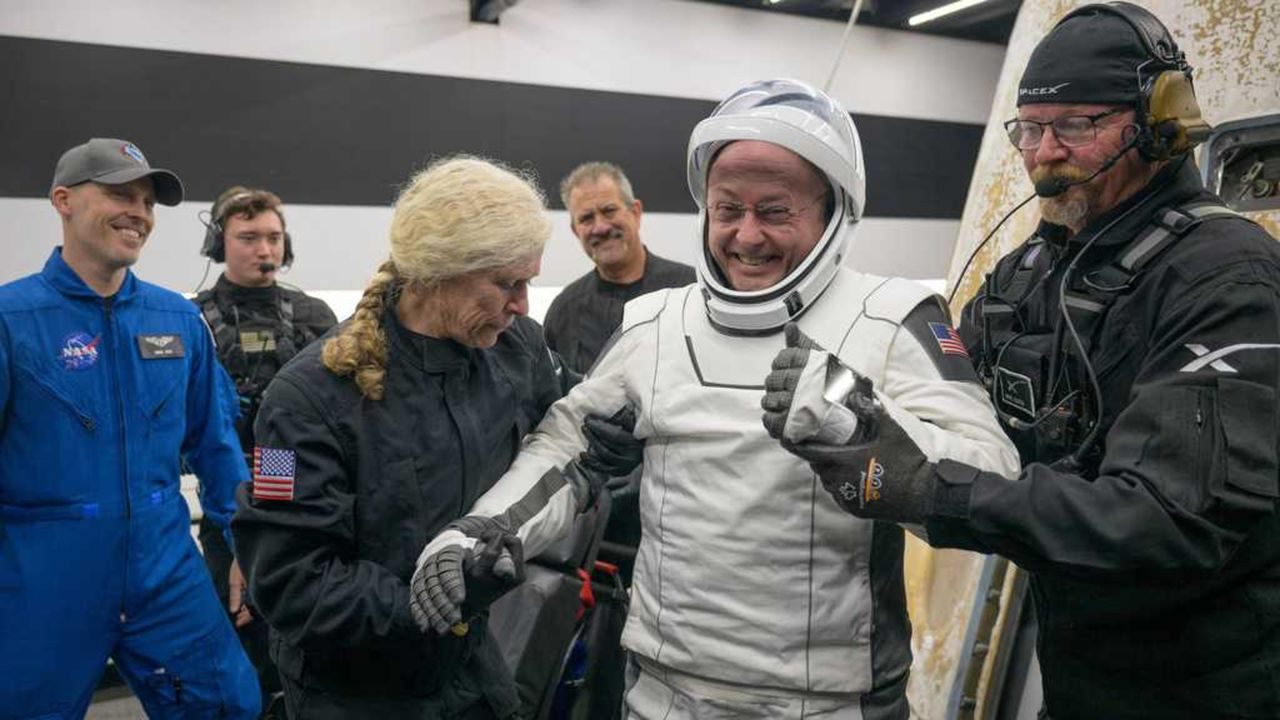
A veteran NASA astronaut suffered a sudden, unexplained medical episode aboard the International Space Station in January that temporarily left him unable to speak — and the incident is now drawing fresh attention to one of the most serious and least-discussed risks facing the future of human spaceflight.
NASA astronaut Michael Fincke, a highly experienced space flier, experienced the mysterious episode while on orbit. The details of what exactly happened remain unclear, but the episode has reignited urgent conversations about how prepared space agencies actually are to handle medical emergencies far from Earth — especially as NASA accelerates its plans to send humans back toward the moon.
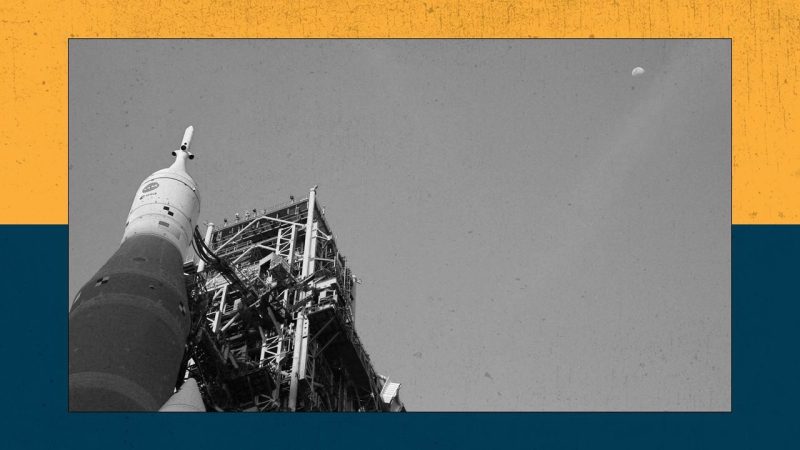
The timing could not be more pointed. NASA is preparing for its Artemis II mission, a 10-day journey that will carry four astronauts around the moon. That kind of deep-space travel introduces medical risks that the relative proximity of the ISS to Earth simply does not.
What Happened to Michael Fincke in Space
According to reporting from Live Science, Fincke experienced the sudden episode in January while aboard the ISS. The episode left him temporarily unable to speak — a symptom serious enough to raise alarm both on orbit and among medical teams on the ground.
The cause of the episode has not been publicly confirmed. What makes the case particularly striking is that Fincke is no newcomer to space. He is among the more experienced astronauts in NASA’s history, making the unexplained nature of the incident all the more unsettling for those who follow human spaceflight closely.
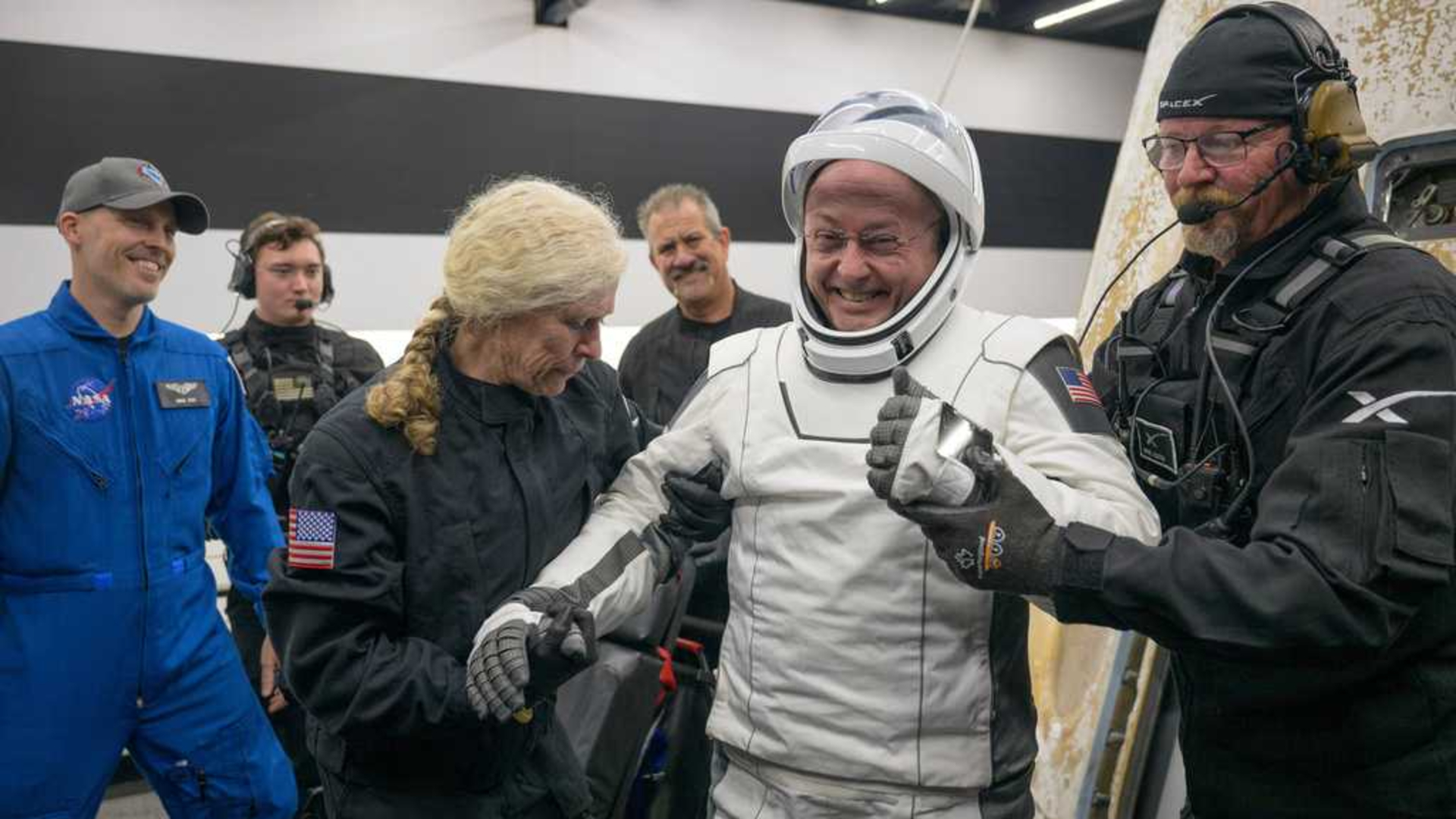
Fincke was part of the SpaceX Crew-11 mission and was photographed being helped to his feet after returning to Earth — a visual that underscored just how physically demanding spaceflight remains, even for veteran fliers.
Why Deep-Space Medical Risk Is Such a Hard Problem to Solve
The ISS orbits roughly 250 miles above Earth. That sounds remote, but in emergency terms, it means an injured or critically ill astronaut can be evacuated back to Earth within hours. That safety net disappears entirely once a crew ventures beyond low-Earth orbit.
For the Artemis II mission — and any future crewed missions to the moon’s surface or eventually Mars — there is no fast evacuation option. A medical emergency that would be manageable on the ISS could become life-threatening in deep space simply because of the time and distance involved.
This is not a new concern, but Fincke’s episode gives it a human face at a moment when the stakes are rising. Space medicine experts and mission planners have long identified the need for robust onboard medical systems as a top priority for long-duration exploration missions, and incidents like this one make clear why.
The Key Risks That Make Space Medicine So Challenging
Medical emergencies in space are complicated by factors that simply don’t apply on Earth. A few of the core challenges that mission planners must grapple with:
- Distance from care: Beyond low-Earth orbit, real-time communication with doctors on the ground is delayed, and emergency evacuation is not possible.
- Limited equipment: Spacecraft carry only a fraction of the diagnostic and treatment tools available in even a basic hospital.
- Physiological changes in space: Microgravity affects the human body in ways that can make diagnosing illness more difficult and symptoms harder to interpret.
- Small crew size: There is no dedicated medical officer on most missions — crew members receive medical training, but they are not physicians.
- Unexplained episodes: Cases like Fincke’s, where the cause is not immediately clear, highlight how unpredictable in-flight medical events can be.
Artemis II and What It Means for Space Medical Preparedness
The Artemis II mission represents NASA’s most ambitious crewed flight since the Apollo era in terms of destination. Four astronauts will travel around the moon on a roughly 10-day mission — a journey that will take them further from Earth than any human has traveled in decades.
| Mission | Destination | Duration | Key Medical Challenge |
|---|---|---|---|
| ISS Missions (current) | Low-Earth Orbit (~250 miles) | Months | Evacuation possible within hours |
| Artemis II (upcoming) | Lunar flyby | ~10 days | No evacuation option; far from Earth |
| Future lunar surface missions | Moon surface | Weeks or longer | Extended isolation; limited resources |
The gap between what current ISS missions require medically and what deep-space missions will demand is significant. Fincke’s episode — whatever its ultimate cause — is a concrete reminder that the human body does not always cooperate with mission timelines, and that planning for the unexpected is not optional.
What Comes Next for Space Medicine and Artemis Planning
NASA has not publicly detailed any specific changes to medical protocols prompted by Fincke’s episode. However, the incident arrives at a moment when the agency is actively working to build out the medical systems and contingency planning that deep-space exploration will require.
The Artemis program is intended to return humans to the lunar surface, with longer-duration missions planned beyond Artemis II. Each step further from Earth raises the medical stakes. Officials and space medicine advocates have consistently argued that the gap between current capabilities and what will be needed for sustained lunar — let alone Mars — exploration remains one of the program’s most pressing unsolved challenges.
For now, Fincke’s return to Earth and the unanswered questions surrounding his January episode serve as a pointed reminder: space is still extraordinarily dangerous, the human body remains unpredictable, and the systems needed to protect astronauts on the frontier of exploration are still catching up to the ambition of the missions being planned.
Frequently Asked Questions
Who is Michael Fincke?
Michael Fincke is a veteran NASA astronaut who was part of the SpaceX Crew-11 mission to the International Space Station.
What happened to Fincke on the ISS?
Fincke experienced a sudden, unexplained medical episode in January while aboard the ISS that temporarily left him unable to speak. The cause has not been publicly confirmed.
What is the Artemis II mission?
Artemis II is an upcoming NASA mission that will send four astronauts on a roughly 10-day journey around the moon, representing the most ambitious crewed spaceflight in decades.
Why is medical care harder in deep space than on the ISS?
Unlike the ISS, which is close enough to Earth for emergency evacuation within hours, deep-space missions offer no evacuation option, making onboard medical systems far more critical.
Has NASA announced changes to medical protocols following this incident?
This has not yet been publicly confirmed based on currently available reporting.
Is Fincke expected to recover fully?



Leave a Reply