
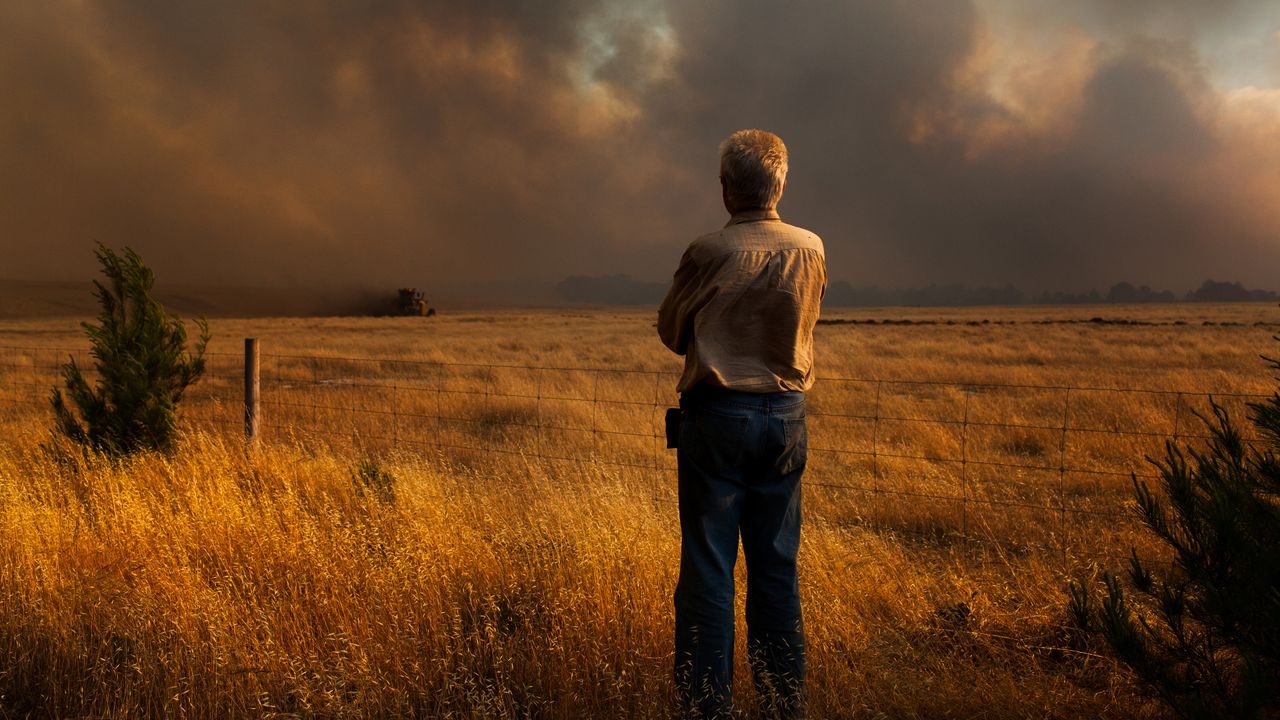
What if the climate disasters we’ve been told to expect “at higher warming levels” are actually coming sooner — and at temperatures we once considered relatively safe? A new study suggests that’s exactly the case, and the implications are significant for everyone on the planet.
Dangerous weather events typically associated with extreme global warming could become more frequent even under moderate levels of heating, according to new research. The findings challenge a common assumption in climate discussions: that staying close to the 2°C warming threshold would keep the worst outcomes at bay.
The reality, researchers now warn, may be far more unsettling. Deadly floods in cities and catastrophic droughts in major crop-producing regions could hit more often than previously thought — even in a scenario where global temperatures stabilize at around 3.6 degrees Fahrenheit (2 degrees Celsius) above pre-industrial levels.
Why the 2°C Threshold Isn’t the Safety Net We Thought
For years, 2°C of warming above pre-industrial levels has been treated as a critical line in climate policy — the boundary between manageable change and dangerous disruption. International agreements have centered on keeping warming below this mark, and much of the public conversation around climate risk has framed it as a relatively stable ceiling.
This new study complicates that picture considerably. The research indicates that extreme climate outcomes — the kind previously associated with much higher levels of warming — are possible even when global temperatures land in what scientists consider a moderate range.
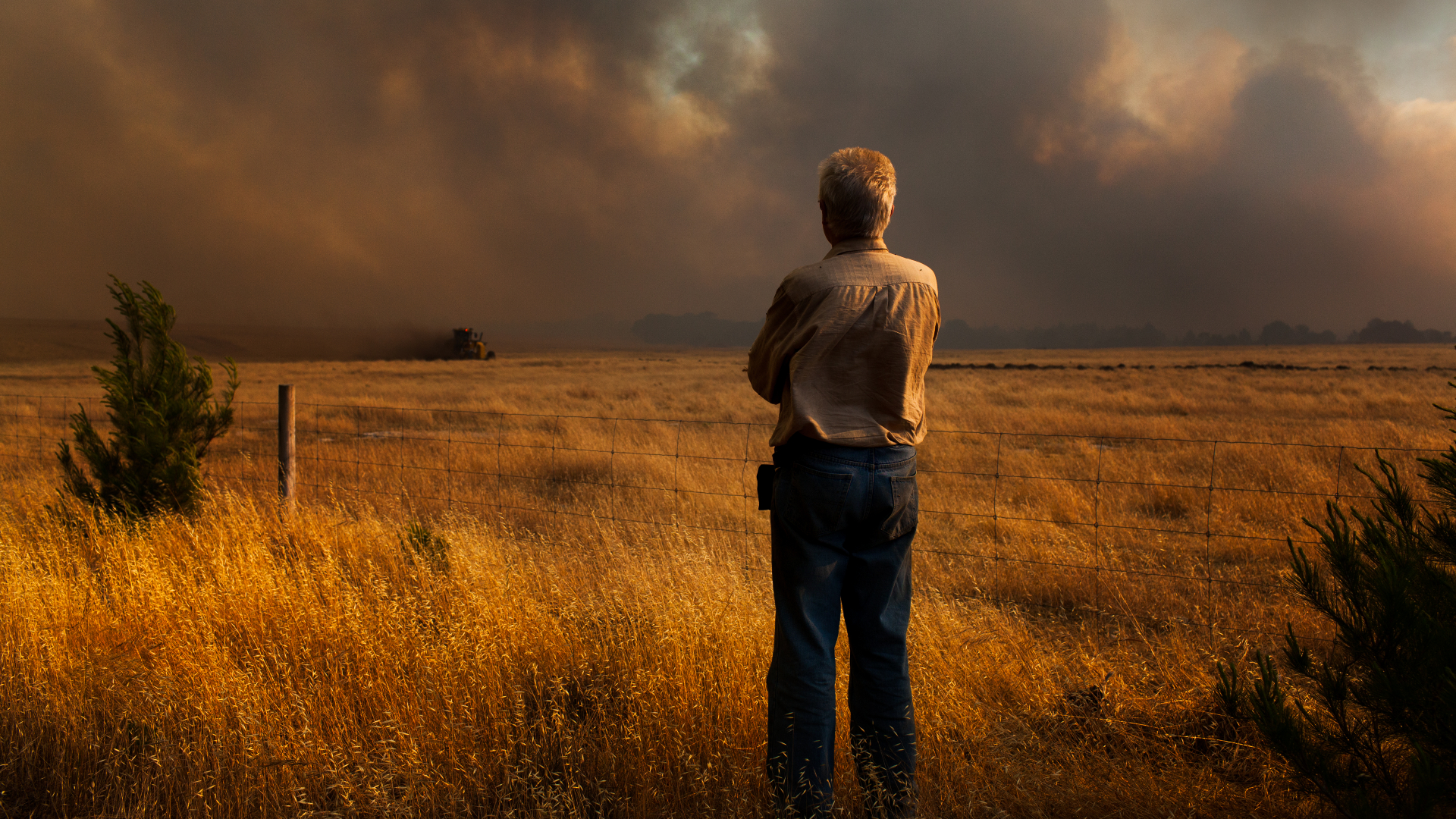
That means the margin of safety built into current climate targets may be narrower than policymakers and the public have assumed. Even the “successful” scenario of holding warming to 2°C doesn’t rule out the extreme end of weather disasters.
What Extreme Events Are We Talking About?
The study points to several categories of climate-driven disasters that could intensify or become more frequent under moderate warming conditions. These aren’t distant, abstract risks — they’re events that directly affect food supplies, urban infrastructure, and human lives.
- Deadly urban flooding — Cities face heightened risk from catastrophic flood events that overwhelm drainage systems and infrastructure
- Catastrophic droughts — Major crop-producing regions could experience severe, prolonged droughts that threaten food security
- Extreme wildfires — Fire conditions previously linked to higher warming scenarios could emerge under moderate temperature increases
- Severe storms — Dangerous storm events may occur with greater frequency even at lower warming thresholds
The common thread across all of these is that the relationship between warming levels and extreme events is not as linear — or as predictable — as earlier models suggested.
Moderate Warming vs. Extreme Outcomes: What the Research Shows
The table below reflects what is known from the study about the warming scenario in focus and the types of risks identified.
| Warming Scenario | Temperature Above Pre-Industrial Levels | Risks Identified |
|---|---|---|
| Moderate warming (study focus) | 3.6°F / 2°C | Extreme wildfires, catastrophic droughts, deadly urban flooding, severe storms |
| Higher warming (previously associated with extreme outcomes) | Above 2°C | Same categories of events — previously assumed to require greater warming to trigger |
The key shift here is one of timing and probability. Events that scientists once expected to become major concerns only at higher warming thresholds could arrive sooner, and under conditions that current climate policy treats as a relative success.
Who Feels This First — and How
The practical consequences of this research fall unevenly across the globe, but no region is entirely insulated. Urban populations face elevated flood risk as rainfall intensity increases and city infrastructure struggles to keep pace. Agricultural communities — particularly those in regions already dealing with water stress — face the prospect of droughts severe enough to destabilize crop yields.
Food-producing regions are among the most directly at risk. A catastrophic drought in a major agricultural area doesn’t just affect local farmers. It ripples outward through supply chains, drives up food prices, and can contribute to broader economic and political instability.
Wildfire risk adds another layer of concern, particularly for communities in fire-prone landscapes. If the conditions that fuel extreme wildfires can emerge at moderate warming levels, fire seasons could grow longer and more destructive sooner than current planning frameworks anticipate.
For ordinary people, the takeaway is straightforward but sobering: the buffer zone between current warming trajectories and genuinely dangerous outcomes may be thinner than climate targets have implied.
What This Means for Climate Policy Going Forward
Studies like this one carry real weight in policy conversations, because they shift the baseline assumptions that governments and international bodies use when setting emissions targets and adaptation strategies.
If extreme outcomes are possible even under moderate warming, then the argument for more aggressive emissions reductions becomes stronger — not because 2°C is no longer worth targeting, but because hitting that target doesn’t guarantee safety from the most destructive weather events.
Adaptation planning also becomes more urgent. Cities, agricultural systems, and emergency management frameworks designed around older risk models may need to be reassessed in light of findings like these. The question is no longer just “how do we prevent the worst case?” but “how do we prepare for extreme events even in scenarios we once considered acceptable?”
Researchers and climate advocates have long argued that current global commitments fall short of what’s needed. This study adds another data point to that argument — and raises the stakes for what happens if warming stabilizes at levels that once seemed like a meaningful achievement.
Frequently Asked Questions
What warming level does the study focus on?
The study examines climate risks under a moderate warming scenario where global temperatures stabilize at around 3.6 degrees Fahrenheit (2 degrees Celsius) above pre-industrial levels.
What types of extreme events could occur under moderate warming?
According to the study, extreme wildfires, catastrophic droughts, deadly urban floods, and severe storms are all identified as possible outcomes even under moderate warming conditions.
Why is this finding significant?
It challenges the assumption that staying near the 2°C warming threshold would prevent the most dangerous climate outcomes, suggesting the safety margin in current climate targets may be smaller than previously believed.
Which regions or communities are most at risk?
The study highlights urban areas facing flood risk and major crop-producing regions threatened by catastrophic drought, though the research suggests no region is fully protected from these outcomes.</p


Leave a Reply