
A site that rewrote the history of human migration into the Americas is now at the center of a sharp scientific dispute — and the stakes couldn’t be higher for our understanding of who first settled the Western Hemisphere, and when.
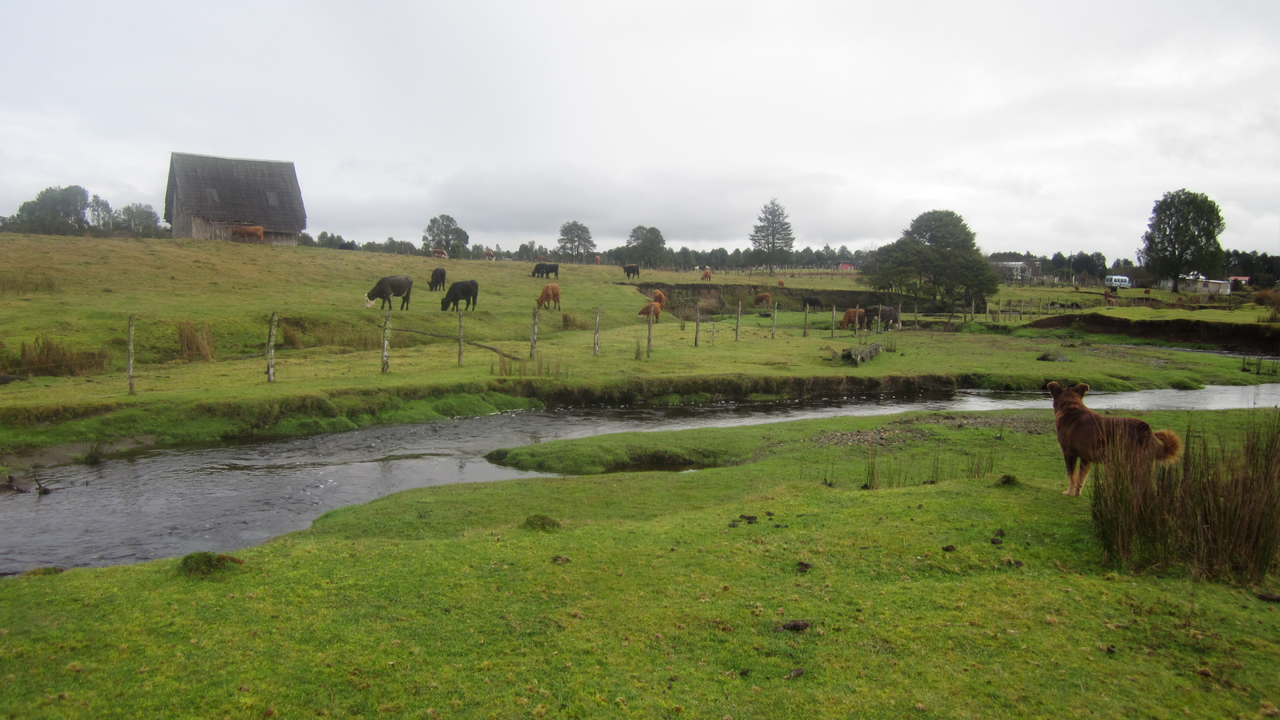
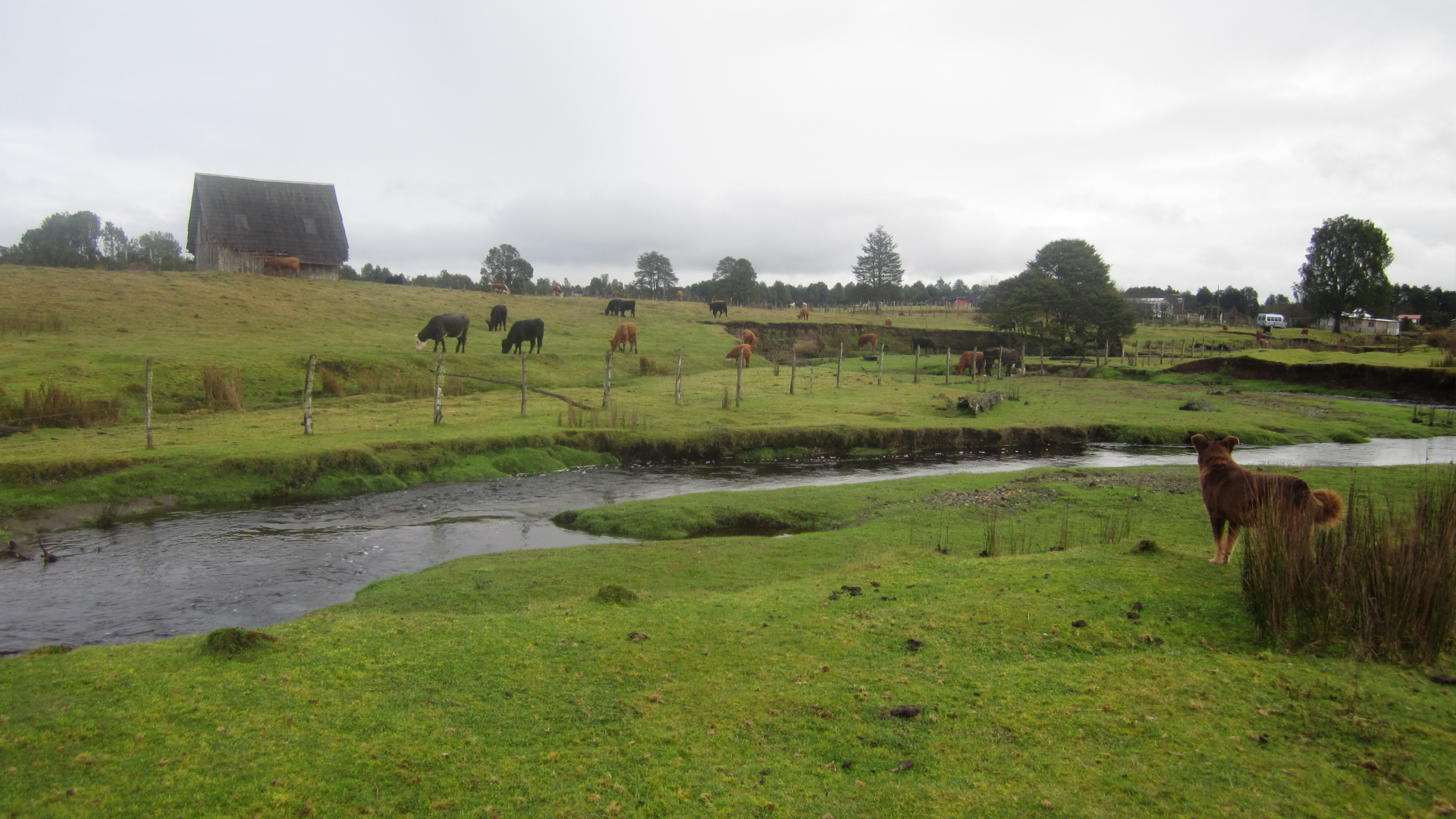
Monte Verde, an archaeological site tucked along the Chinchihuapi Creek in southern Chile, has long been considered one of the oldest known human settlements in the Americas, with a widely accepted age of around 14,500 years. Now, a team of archaeologists is challenging that date, proposing the site is significantly younger than previously thought. Their claim, if accepted, would fundamentally alter the current narrative of how and when early humans spread across the Americas.
But not everyone is buying it. Other experts in the field are pushing back hard, with critics describing the new study as “egregiously poor geological work.” The debate is a reminder that even the most established findings in archaeology are never truly settled.
Why Monte Verde Matters So Much to Archaeology
For decades, the dominant theory of the peopling of the Americas held that humans first arrived via a land bridge from Siberia no earlier than about 13,000 years ago — a model tied to the so-called Clovis culture, named for distinctive stone tools found across North America. Monte Verde upended that story.
The Chilean site produced evidence of human habitation that predated Clovis by more than a thousand years, suggesting that people had reached the southern tip of South America well before the Clovis people were making tools in North America. That forced researchers to rethink the timeline and routes of early human migration into the continent entirely.
The site sits along a creek in Chile and has been studied extensively since its discovery. Its accepted age of roughly 14,500 years has been treated as a cornerstone finding — one that placed Monte Verde among the earliest Indigenous sites in South America and made it one of the most important Paleo-Indian locations anywhere in the hemisphere.
What the New Study Is Actually Claiming
The new research proposes that Monte Verde is much younger than the long-established 14,500-year estimate. The team behind the study argues their revised dating challenges the accepted timeline of when the Americas were first settled by humans.
The researchers contend that previous dating methods or interpretations of the geological record at the site may have led to an inflated age estimate. If their proposed younger date holds up, it would remove Monte Verde from the list of pre-Clovis sites and potentially reinforce older migration models that archaeologists had largely moved away from.
The study represents a direct challenge to decades of consensus — and to the researchers who built careers on that consensus.
Why Other Experts Are Not Convinced
The response from other archaeologists and geologists has been swift and, in some cases, scathing. Critics are not treating this as a minor methodological disagreement. The characterization of the study as “egregiously poor geological work” signals serious concerns about how the new dating analysis was conducted.
This kind of pushback is significant. Monte Verde’s 14,500-year age wasn’t established casually — it was the product of extensive excavation, radiocarbon dating, and years of peer scrutiny. The original findings survived considerable skepticism when they were first published and gradually earned broad acceptance within the archaeological community.
Overturning that consensus requires an exceptionally strong evidentiary case, and many researchers appear to believe the new study has not met that bar.
The Bigger Picture: What This Debate Reveals About Early Americas Research
The Monte Verde controversy reflects a broader tension in the field of Paleo-Indian archaeology. The question of when and how humans first arrived in the Americas remains one of the most contested topics in prehistoric research, with new discoveries regularly prompting revisions — and counter-revisions — to accepted timelines.
| Key Detail | Established View | New Claim |
|---|---|---|
| Age of Monte Verde | Approximately 14,500 years old | Significantly younger (exact figure disputed) |
| Significance | One of the oldest human sites in the Americas | May not predate Clovis culture if new date accepted |
| Location | Along Chinchihuapi Creek, Chile | Same site, different geological interpretation |
| Expert reaction | Broad acceptance of original dating | New study called “egregiously poor geological work” |
The debate also highlights how much rides on geological interpretation at ancient sites. Small differences in how sediment layers are read, or how contamination in radiocarbon samples is assessed, can produce age estimates that differ by thousands of years — and those differences carry enormous implications for our understanding of prehistory.
What Happens Next in This Scientific Dispute
Scientific disputes of this magnitude rarely resolve quickly. The new study will face peer scrutiny, and researchers on both sides are likely to continue publishing analyses, counter-analyses, and responses. Independent teams may seek to re-examine the Monte Verde site’s geological record directly.
For Monte Verde’s established status as one of the earliest Indigenous sites in South America, the immediate practical impact is limited — the site’s accepted age remains in place unless and until a stronger evidentiary case emerges. The burden of proof falls on those proposing the revision.
What the controversy does guarantee is renewed attention to a site that has already transformed how scientists think about the peopling of the Americas. Whether the new study ultimately changes anything or is dismissed by the broader field, the debate itself is a useful reminder that archaeology is a living science — one where even bedrock findings can be questioned.
Frequently Asked Questions
How old is Monte Verde, according to the established scientific consensus?
Monte Verde has been widely accepted as approximately 14,500 years old, making it one of the earliest known human occupation sites in the Americas.
Where is Monte Verde located?
The site is located along the Chinchihuapi Creek in Chile, in South America.
What does the new study claim about Monte Verde?
A team of archaeologists is proposing that Monte Verde is significantly younger than the accepted 14,500-year estimate, which would challenge current understanding of when humans first settled the Americas.
How have other experts responded to the new study?
Critically. Other researchers have described the new study as “egregiously poor geological work,” signaling serious doubts about the methodology behind the revised dating claim.
Why does Monte Verde’s age matter so much?
Monte Verde’s pre-Clovis age helped overturn the long-held theory that humans first arrived in the Americas no earlier than about 13,000 years ago, making its dating central to debates about early human migration into the Western Hemisphere.
Has the new study changed the official status of Monte Verde?
Not yet. The site’s established age remains in place, and the new study faces significant pushback from the scientific community before any revision to the consensus would be considered.


Leave a Reply