
Look up at the full moon on a clear night, and it seems like the most universal sight imaginable — the same glowing face visible to everyone on the planet at once. But that assumption turns out to be wrong in some genuinely surprising ways.
According to astronomers, the moon does not look the same from everywhere on Earth. Its appearance shifts depending on where you’re standing on the planet — and in some locations, it even appears to rotate as it moves across the sky.
If you’ve ever wondered why moon photos from different parts of the world can look so strikingly different, the answer comes down to some fascinating quirks of geometry, perspective, and our position on a spinning sphere.
The Moon Looks Different Depending on Where You Are
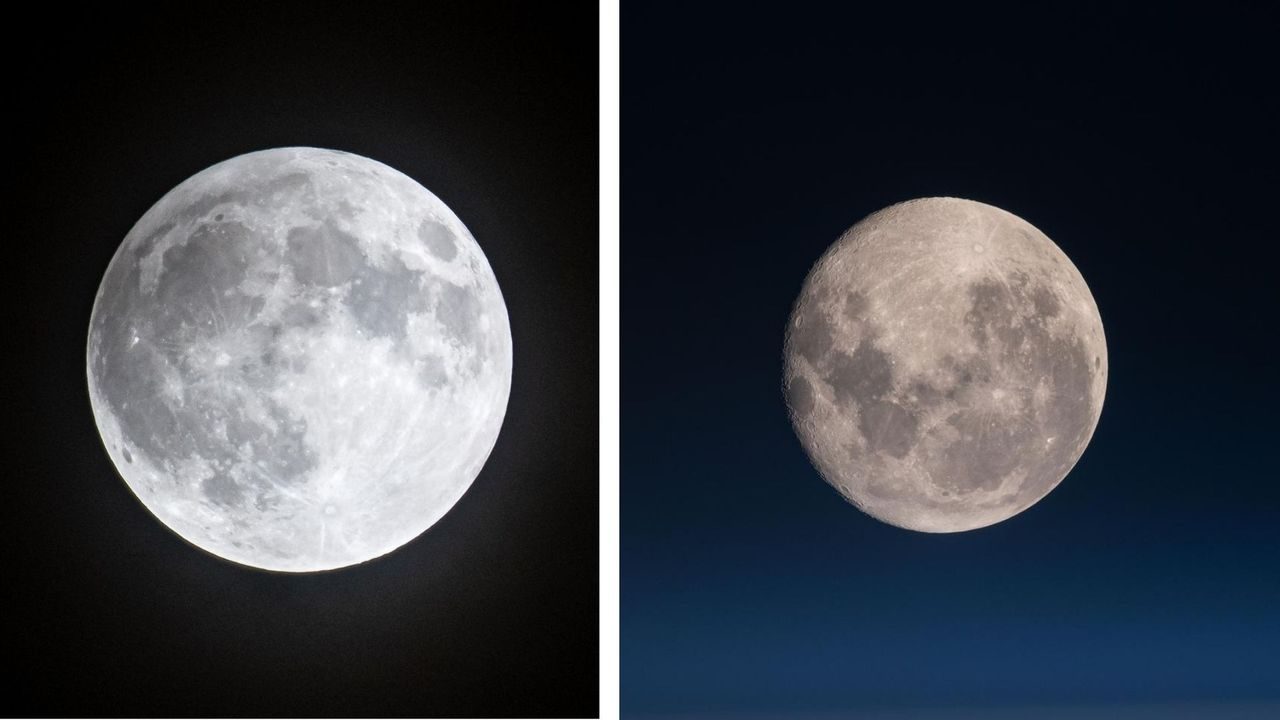
The most dramatic difference occurs between the Northern and Southern Hemispheres. When observers in the Northern Hemisphere look up at a full moon, they see a particular arrangement of the lunar surface — the craters, the dark plains called maria, the bright highlands. But for someone standing in the Southern Hemisphere looking at that exact same moon at that exact same moment, the image is flipped.
According to astronomers consulted by Live Science, the full moon appears rotated by 180 degrees when viewed from the Southern Hemisphere compared with the view from the Northern Hemisphere. That means what appears to be in the upper-left from London would appear in the lower-right from Sydney.
It’s a bit like holding a photograph and then flipping it upside down. The content is identical — the same craters, the same shadows — but the orientation is completely reversed. If you grew up in Australia learning to spot features on the moon’s face, those same features would appear inverted to someone raised in Canada looking at the same sky.
And the differences don’t stop at the Northern and Southern Hemisphere divide. The moon’s appearance also shifts depending on your specific latitude and even the time of night you’re observing it.
Why the Moon Appears to Swivel Across the Sky
Here’s where things get even more interesting. Astronomers note that the moon doesn’t just look rotated in different hemispheres — it can actually appear to swivel or tilt as it rises and sets in certain locations.
This happens because of the angle at which the moon’s path crosses the horizon. As the moon arcs across the sky, your viewing angle relative to it changes throughout the night. What you see at moonrise can look tilted differently from what you see when the moon is high overhead, or when it’s setting on the opposite horizon.
This swiveling effect is not an optical illusion in the traditional sense — it’s a real geometric consequence of observing an object moving along a curved path while you stand on the curved surface of a rotating planet. The effect is more pronounced at certain latitudes than others.
For skywatchers who photograph the moon, this is actually a practical concern. A timelapse of the moon moving across the sky will visibly show the lunar face rotating relative to the horizon — something that can catch first-time astrophotographers completely off guard.
What Actually Changes — and What Stays the Same
It helps to separate what varies from what remains constant, no matter where on Earth you’re observing from.
| Feature | Changes by Location? | Details |
|---|---|---|
| Orientation / rotation of lunar face | Yes | Appears rotated up to 180° between hemispheres |
| Apparent tilt / swivel during the night | Yes | Moon appears to swivel as it rises and sets |
| Phase of the moon | No | Full moon is full everywhere simultaneously |
| Surface features visible | No (content same) | Same craters and maria, just in different orientation |
| Size of the moon | Slightly | Horizon illusion affects perceived size, not true size |
The phase of the moon — whether it’s a crescent, half moon, or full moon — is the same for everyone on Earth at the same time. The moon’s illumination is determined by its position relative to the sun, which doesn’t change based on where you’re standing. What changes is the orientation of that illuminated shape against the sky.
What This Means for Stargazers and Space Enthusiasts
For casual observers, this is mostly a matter of curiosity and wonder. But for serious skywatchers, amateur astronomers, and astrophotographers, understanding the moon’s orientation relative to your location is genuinely important.
- Telescope users need to account for orientation when comparing their views to lunar maps, which are typically drawn from a Northern Hemisphere perspective.
- Astrophotographers shooting the moon in the Southern Hemisphere may need to flip or rotate their images to match reference charts.
- Observers near the equator will notice the moon rising nearly straight up rather than at an angle, which itself affects how the lunar face appears oriented relative to the horizon.
- During a lunar eclipse, observers worldwide see the same event — but the shadow creeps across the moon’s face from different directions depending on where you’re watching from.
For anyone who’s ever compared moon photos with a friend on the other side of the world and wondered why things looked slightly off, now you know the reason. It’s not a camera setting or a processing difference — it’s geometry.
The Bigger Picture of How We See the Sky
The moon’s varying appearance from different points on Earth is a useful reminder that our view of the universe is always shaped by where we happen to be standing. The night sky looks different from different latitudes, different seasons, and different hemispheres — and the moon is one of the most vivid examples of that.
What feels like a fixed, universal object turns out to be something far more perspective-dependent. The same moon, orbiting the same planet, looks meaningfully different to billions of people — all watching it on the same night.
Frequently Asked Questions
Does the moon look the same from everywhere on Earth?
No. Astronomers confirm the moon’s appearance changes depending on your location, with orientation differences being the most significant variation between the Northern and Southern Hemispheres.
How different does the moon look from the Southern Hemisphere?
The full moon appears rotated by 180 degrees when viewed from the Southern Hemisphere compared with the view from the Northern Hemisphere, according to astronomers.
Does the moon actually move or swivel in the sky?
In certain locations, the moon can appear to swivel or tilt as it rises and sets — a real geometric effect caused by the angle at which the moon’s path crosses the horizon.
Is the moon’s phase the same everywhere on Earth?
Yes. The phase of the moon — crescent, half, full — is the same for all observers on Earth simultaneously, since it’s determined by the moon’s position relative to the sun.
Why do moon photos from different countries look different?
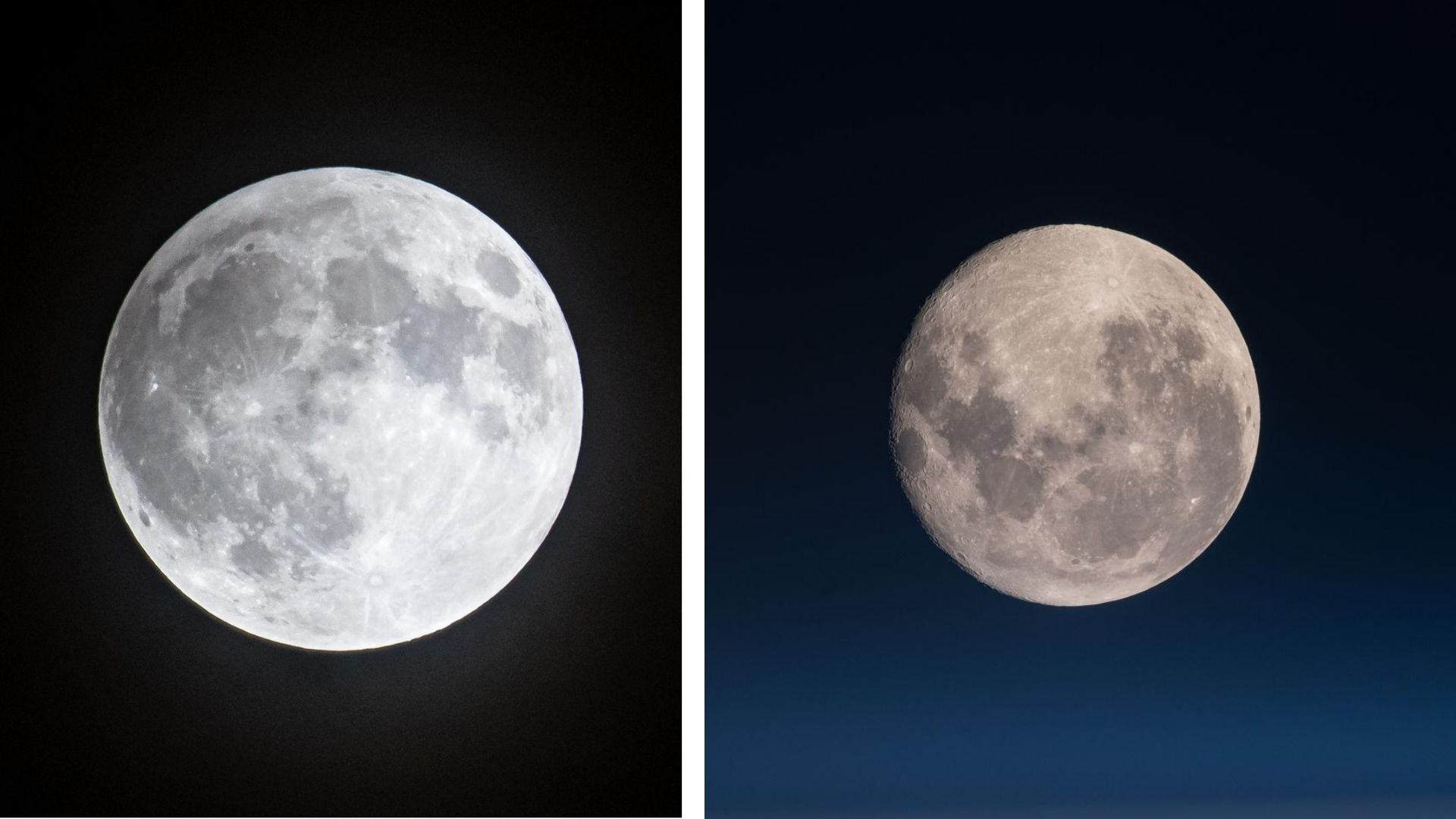
The orientation of the lunar face relative to the horizon changes based on the observer’s latitude and hemisphere, which is why moon images from the Southern Hemisphere can appear flipped compared to those taken in the Northern Hemisphere.
Does the moon look different at moonrise versus when it’s high in the sky?
Yes. The moon’s apparent orientation can shift throughout the night as it moves across the sky, an effect that is particularly noticeable in timelapse photography.


Leave a Reply