
For the first time in more than half a century, human beings are preparing to travel to the Moon — and the countdown has officially begun. NASA’s Artemis II mission received its formal green light following a full flight readiness review, clearing the path for the first crewed Artemis launch as soon as Wednesday, April 1.
The approval marks one of the most significant milestones in American spaceflight since the Apollo era. After years of development, delays, and an uncrewed test flight, NASA is finally ready to put astronauts aboard its most powerful rocket and send them on a journey around the Moon.
“Something really big is going to happen,” said launch director Charlie Blackwell-Thompson at a March 30 news conference. It’s the kind of statement that tends to get dismissed as hype — except in this case, it’s hard to argue with.
What Artemis II Actually Is — and Why It’s Different From Artemis I
Artemis I, which launched in November 2022, was an uncrewed test flight. It sent NASA’s Orion spacecraft and Space Launch System (SLS) rocket on a loop around the Moon without any astronauts on board. The mission was designed to prove the hardware worked before any human lives were put at risk.
Artemis II is the next step — and it changes everything. This time, there will be crew members inside the Orion capsule. The mission is designed as a crewed lunar flyby, sending astronauts farther from Earth than any human has traveled since Apollo 17 in 1972.
It won’t land on the Moon — that’s planned for Artemis III — but Artemis II is the critical crewed shakedown of the entire system. If something goes wrong, this is the flight where NASA learns about it before attempting a landing.
The Moment That Made April 1 Official
The formal approval came after NASA completed a full flight readiness review, a rigorous process in which engineers, managers, and mission specialists go through every system on the rocket and spacecraft to confirm everything is ready for flight.
Launch Director Charlie Blackwell-Thompson’s remarks at the March 30 press conference signaled that teams had cleared those final checks with confidence. The review process is not ceremonial — it has historically been the stage where missions get delayed when problems are identified. The fact that Artemis II passed without a scrub is itself a significant sign of mission readiness.
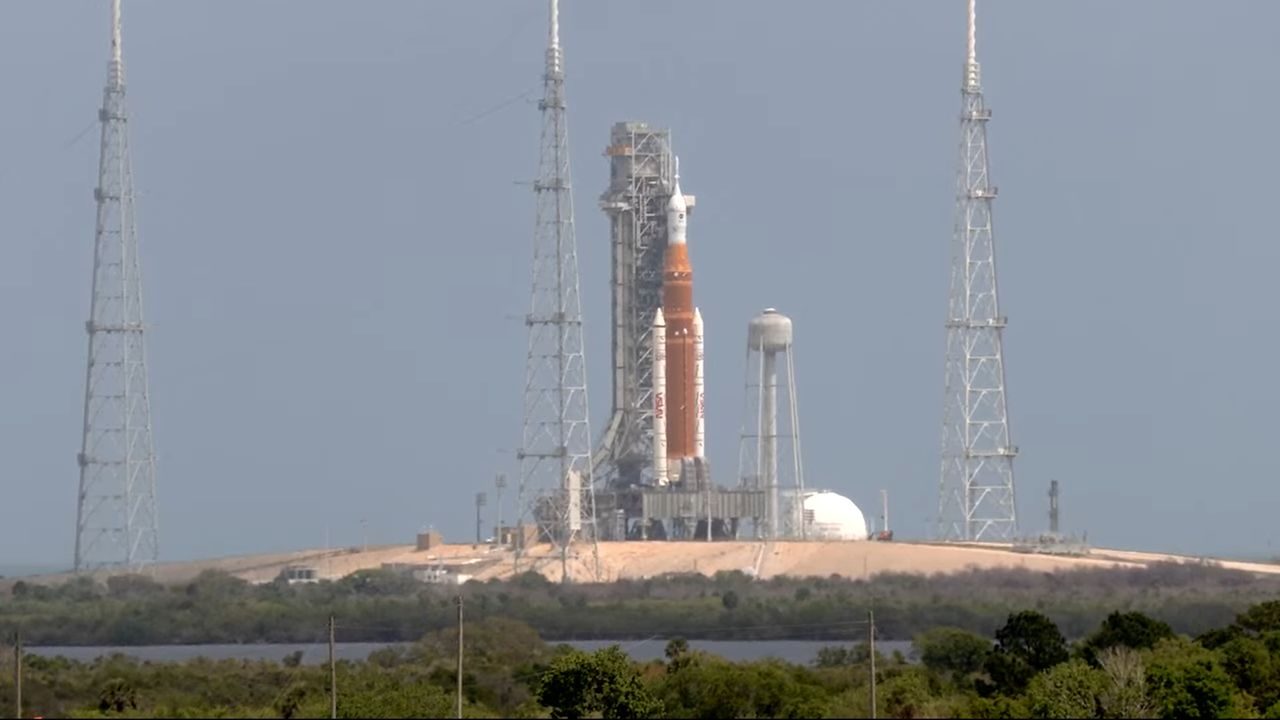
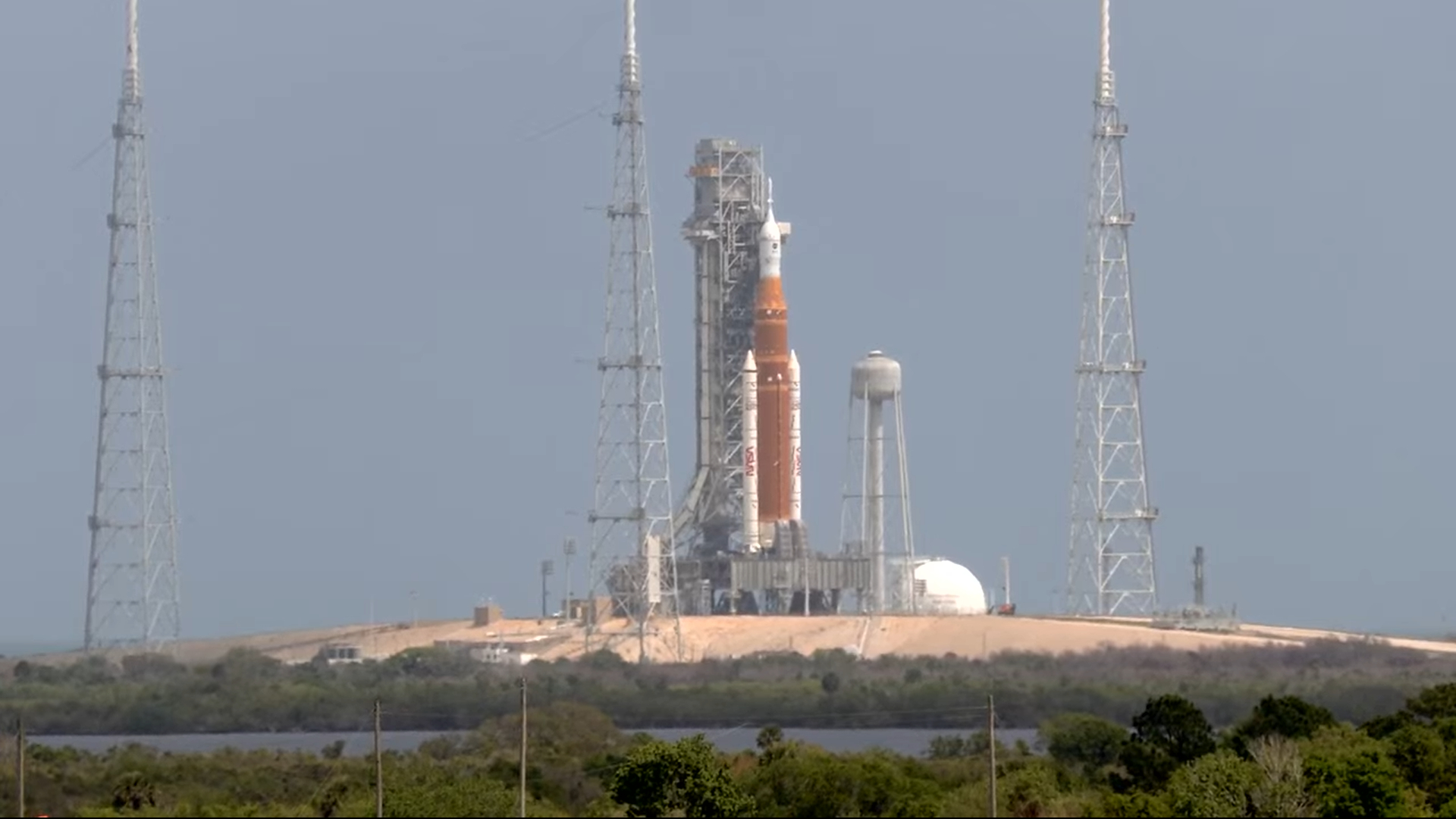
The launch site is Kennedy Space Center in Cape Canaveral, Florida, where the Artemis II rocket has already been positioned on the launchpad ahead of the April 1 target date.
Key Facts About the Artemis II Mission
| Detail | Information |
|---|---|
| Mission Name | Artemis II |
| Mission Type | First crewed Artemis flight |
| Target Launch Date | April 1 (Wednesday) |
| Launch Site | Kennedy Space Center, Cape Canaveral, Florida |
| Flight Readiness Review | Completed and approved, March 30 |
| Launch Director | Charlie Blackwell-Thompson |
| Mission Goal | First crewed lunar flyby since Apollo era |
- Artemis II is the first crewed mission in the Artemis program
- It follows the uncrewed Artemis I test flight from 2022
- The mission uses NASA’s Space Launch System and Orion spacecraft
- The rocket was already positioned on the launchpad at Kennedy Space Center ahead of the April 1 date
- A full flight readiness review was completed before the green light was given
Why This Mission Matters Beyond the Headlines
It’s easy to let big NASA announcements wash over you. There have been many over the years — timelines shift, targets move, and launches get scrubbed. But Artemis II represents something genuinely different from the routine cadence of space news.
This is the first time since December 1972 that human beings will travel beyond low Earth orbit. For context: everyone alive today under the age of roughly 53 has lived their entire life in a world where no human has gone to the Moon. That is about to change.
The mission also carries broader implications for the future of lunar exploration. Artemis II is not the destination — it’s the proof of concept that makes everything after it possible. A successful crewed flyby confirms that NASA’s next-generation deep space systems can keep humans alive and functional in the harsh environment beyond Earth’s protective magnetic field.
Future Artemis missions, including the planned lunar landing of Artemis III, depend entirely on what is learned from this flight.
What Happens Between Now and Liftoff
With the flight readiness review complete and the launch date set for April 1, the final hours before liftoff will involve standard pre-launch operations — fueling the rocket, running final system checks, and monitoring weather conditions at the Cape.
The launch window and any potential holds or scrubs will be communicated in real time by NASA. Weather and technical conditions can still alter the exact timing, but the programmatic approval — the hardest hurdle — has now been cleared.
For anyone who wants to watch, Kennedy Space Center in Cape Canaveral is the launch site, and NASA typically provides live coverage of its major launches across its website and broadcast channels.
Frequently Asked Questions
When is the Artemis II launch date?
NASA has given Artemis II the green light to launch as soon as Wednesday, April 1, following a completed flight readiness review.
Who gave the official approval for the Artemis II launch?
Launch Director Charlie Blackwell-Thompson confirmed the green light at a March 30 news conference after teams completed a full flight readiness review.
Where is Artemis II launching from?
The mission is launching from Kennedy Space Center in Cape Canaveral, Florida, where the rocket is already positioned on the launchpad.
Is Artemis II going to land on the Moon?
No — Artemis II is a crewed lunar flyby, not a landing. A Moon landing is planned for a later Artemis mission.
How is Artemis II different from Artemis I?
Artemis I was an uncrewed test flight. Artemis II is the first Artemis mission to carry a human crew, making it a historic milestone in NASA’s return-to-Moon program.
Has the launch date been officially confirmed or could it still change?
The programmatic green light has been given, but as with all rocket launches, weather conditions and technical factors on the day could still affect the exact timing.




Leave a Reply