
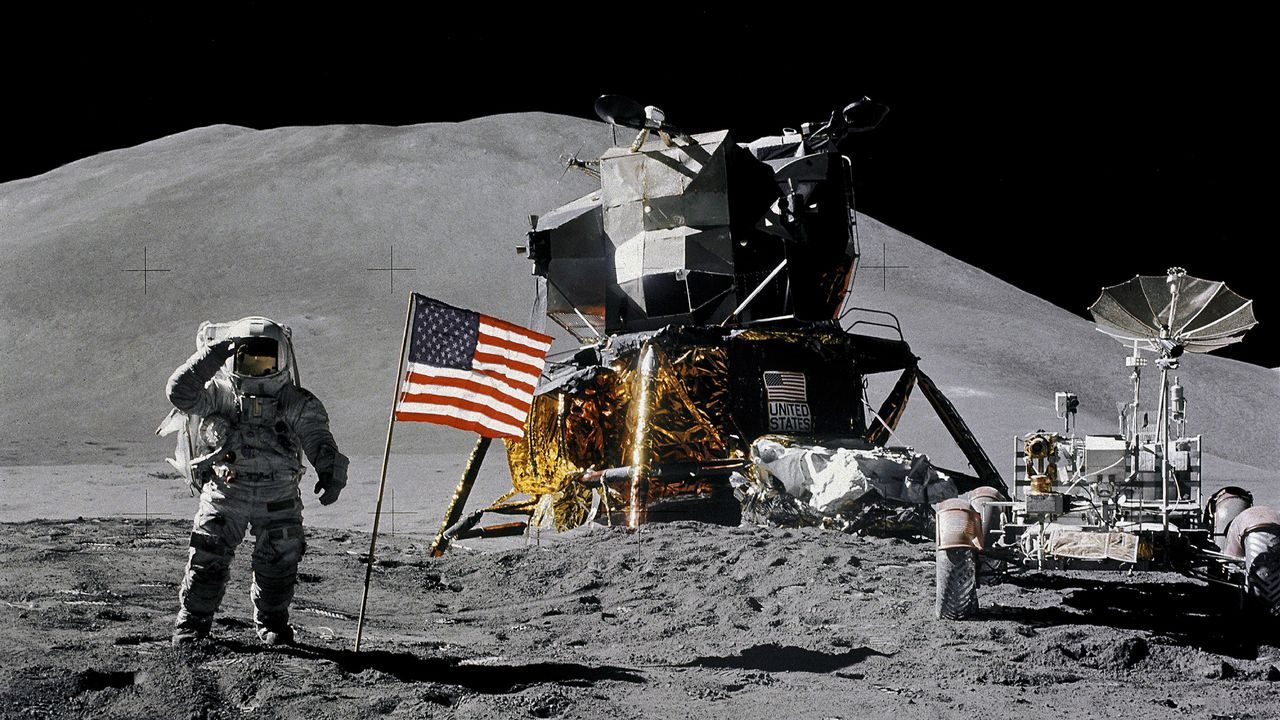
More than 50 years have passed since a human being last set foot on the moon. Now, NASA is preparing to change that — and the reasons behind the push go far beyond scientific curiosity.
NASA’s Artemis II mission is set to send astronauts on a crewed journey around the moon, marking the first time humans have traveled to lunar distance since the Apollo program ended in the early 1970s. It is one of the most ambitious space efforts the United States has undertaken in decades, and the stakes — scientifically, economically, and geopolitically — could not be higher.
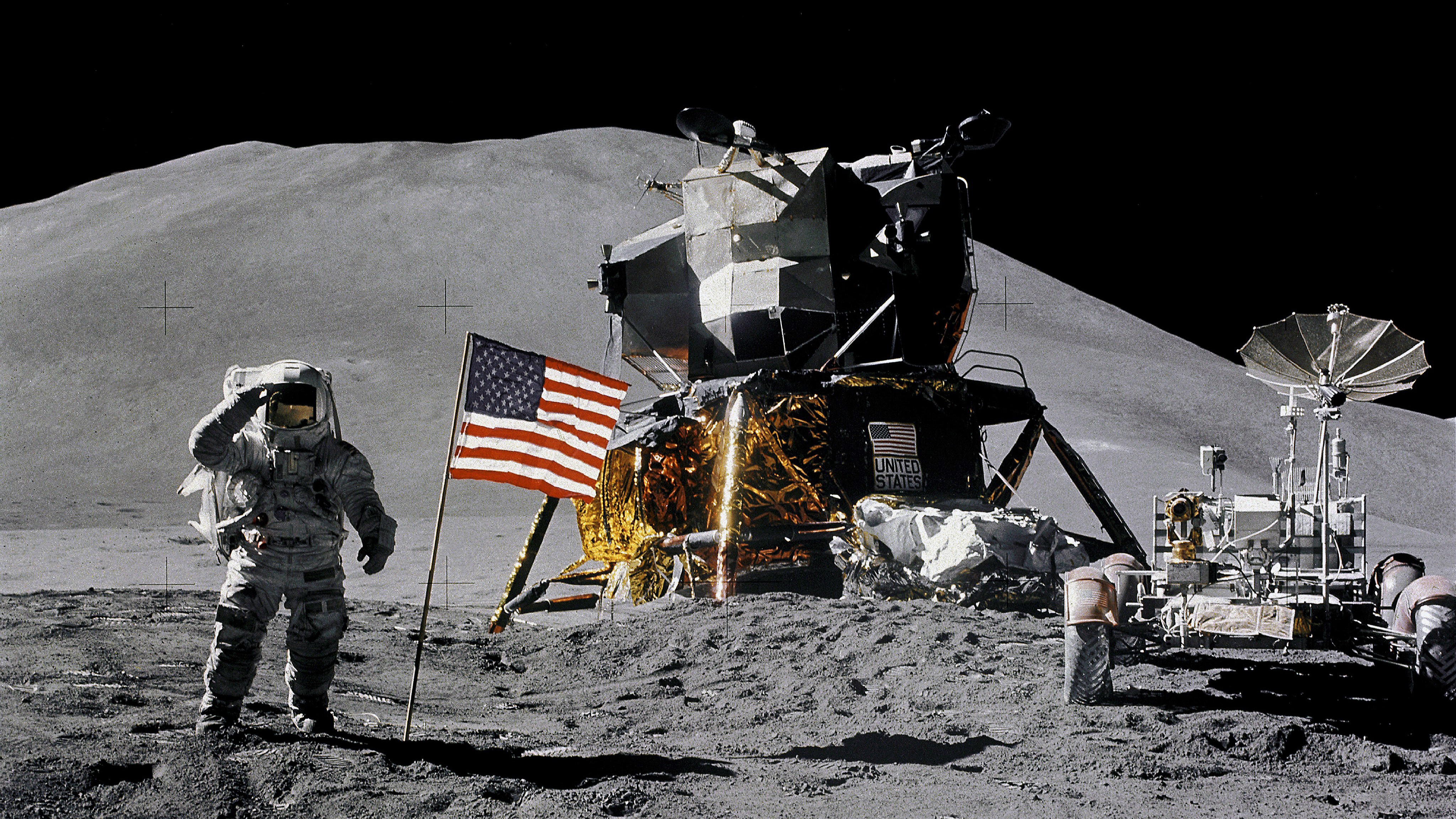
So why is America going back? The answer turns out to be more complicated, and more urgent, than most people realize.
What Artemis II Actually Is — and What It Isn’t
Artemis II is not a moon landing. It is a crewed flyby — a mission that will send astronauts around the moon and back to Earth, testing the systems and spacecraft needed for the lunar surface missions planned to follow. Think of it as a dress rehearsal at cosmic scale.
The mission follows Artemis I, which was an uncrewed test flight of NASA’s Space Launch System and Orion capsule. Artemis II will put humans inside that capsule for the first time, proving that the hardware can keep a crew alive on a journey that takes them further from Earth than any astronaut has traveled since Apollo 17 in 1972.
What comes after Artemis II — including an actual crewed moon landing — depends on how well this mission goes. Every system, every life-support loop, every navigation decision will be scrutinized. The margin for error is essentially zero.
Why NASA Says Returning to the Moon Matters
NASA has laid out several interconnected reasons for the Artemis program’s existence, and they span categories that rarely overlap this directly: pure science, national economics, and the inspiration of future generations.
On the scientific side, officials have argued that returning to the moon will produce discoveries that simply were not possible during the Apollo era. Instruments are more sensitive, analytical techniques are more advanced, and the questions scientists are asking have evolved dramatically. The lunar south pole — a target for future surface missions — is believed to harbor water ice in permanently shadowed craters, a resource with enormous implications for long-duration space exploration.
The economic argument centers on the idea that a sustained human presence near and on the moon will stimulate an entirely new commercial space economy. From lunar resource extraction to in-space manufacturing, advocates argue that the technologies and industries seeded by Artemis could generate returns that dwarf the program’s costs over time.
And then there is the inspiration factor — perhaps the hardest to quantify but historically the most powerful. The Apollo program produced a generation of engineers, scientists, and problem-solvers who shaped American technological leadership for decades. NASA and its supporters argue Artemis could do the same.
The Part of This Story Most Headlines Are Missing
Behind the scientific rationale sits a harder, more geopolitical reality: China is moving fast, and the United States is paying close attention.
It is no secret, as NASA officials have acknowledged, that China represents a genuine competitive threat in the race to establish a presence on the moon. China has made no effort to conceal its lunar ambitions, with its space program advancing steadily through robotic missions and long-term plans for crewed lunar exploration. The concern in Washington is not simply about prestige — it is about who gets there first and, potentially, who controls access to the most strategically valuable parts of the lunar surface.
That competitive pressure has added urgency to a program that might otherwise have moved at a more leisurely pace. Space exploration has always carried an element of national competition, and Artemis is no exception.
Key Facts About the Artemis Program at a Glance
- Artemis I was an uncrewed test flight of the Space Launch System and Orion capsule
- Artemis II will be the first crewed mission, sending astronauts around the moon
- It will be the first time humans have traveled to lunar distance in more than 50 years
- Future Artemis missions are planned to include an actual crewed lunar landing
- NASA has cited science, economic benefit, generational inspiration, and competition with China as driving motivations
| Mission | Type | Key Goal | Crew |
|---|---|---|---|
| Artemis I | Uncrewed test flight | Validate Space Launch System and Orion capsule | None |
| Artemis II | Crewed lunar flyby | First crewed test of Orion around the moon | Yes — planned |
| Future Artemis missions | Crewed lunar landing | Return humans to the lunar surface | Yes — planned |
What This Means for the Rest of Us
You might wonder why any of this matters if you are not an astronaut or a aerospace engineer. The honest answer is that it matters in ways that are easy to underestimate.
Technologies developed for space programs have a consistent history of filtering into everyday life — from medical imaging advances to materials science breakthroughs. A renewed, sustained push toward the moon is likely to accelerate development in areas like energy storage, life-support systems, and autonomous robotics, all of which have direct terrestrial applications.
There is also the question of what happens if the United States steps back and another nation establishes dominance in cislunar space — the region between Earth and the moon. The strategic and economic implications of that scenario are significant enough that they have become a genuine policy concern, not just a talking point.
What Happens Next for Artemis II
NASA is currently working through the final preparations for Artemis II, with the mission intended to proceed if current plans hold. The crewed lunar flyby will test every critical system before NASA commits to landing astronauts on the surface in subsequent missions.
The timeline beyond Artemis II — including when a crewed landing might actually happen — will depend heavily on how the upcoming mission performs, as well as ongoing decisions about funding, hardware readiness, and the broader political environment surrounding NASA’s budget and priorities.
What is clear is that the next chapter of human lunar exploration is no longer a distant concept. It is being actively assembled, tested, and launched — and the world is watching.
Frequently Asked Questions
What is Artemis II?
Artemis II is NASA’s planned crewed mission that will send astronauts on a flyby around the moon, making it the first crewed journey to lunar distance in more than 50 years.
Will Artemis II land on the moon?
No. Artemis II is a crewed flyby, not a landing. It is designed to test the spacecraft and systems needed for future lunar surface missions.
Why is NASA going back to the moon now?
NASA has cited new scientific opportunities, potential economic benefits, the goal of inspiring a new generation, and competition with China’s advancing space program as key reasons.
What was Artemis I?
Artemis I was an uncrewed test flight of NASA’s Space Launch System and Orion capsule, conducted before any crew was placed aboard.
How does China factor into NASA’s moon plans?
Officials have acknowledged that China’s advancing lunar ambitions represent a competitive pressure that has added urgency to the Artemis program and America’s timeline for returning to the moon.
When will humans actually land on the moon again?
A crewed lunar landing is planned for a future Artemis mission after Artemis II, but the specific timeline has not been confirmed and will depend on the outcome of upcoming missions and program decisions.



Leave a Reply