
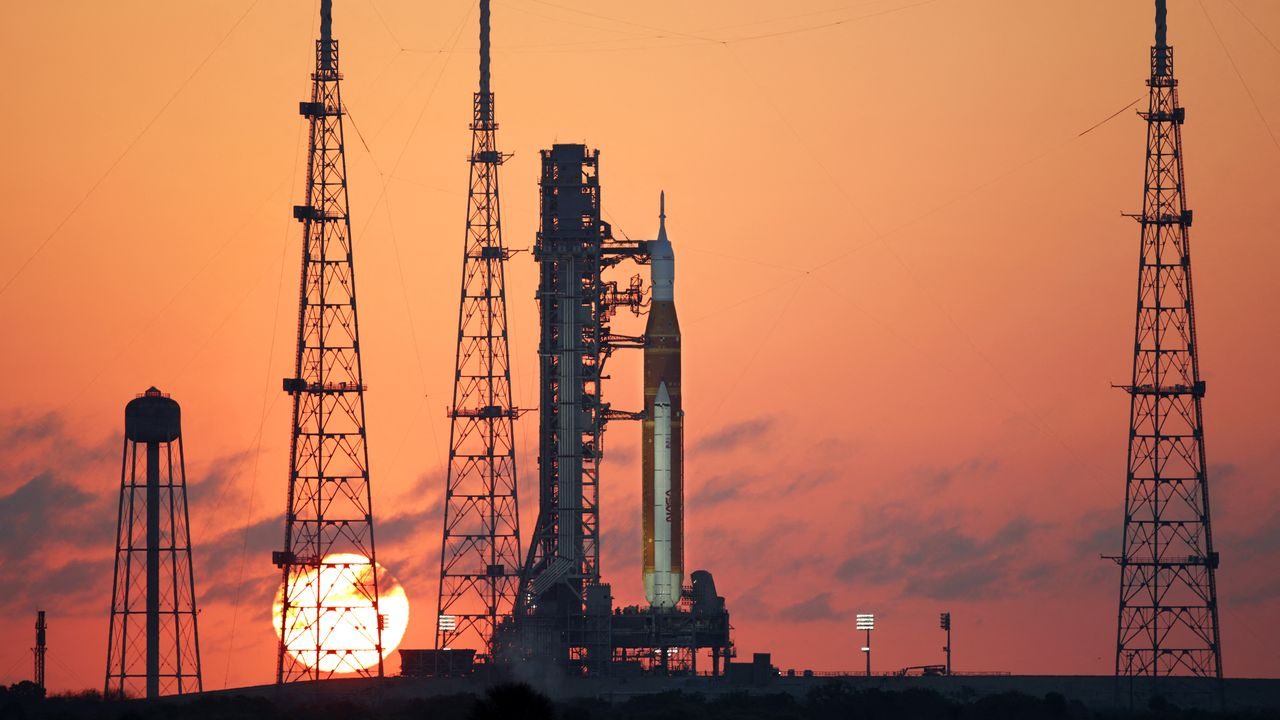
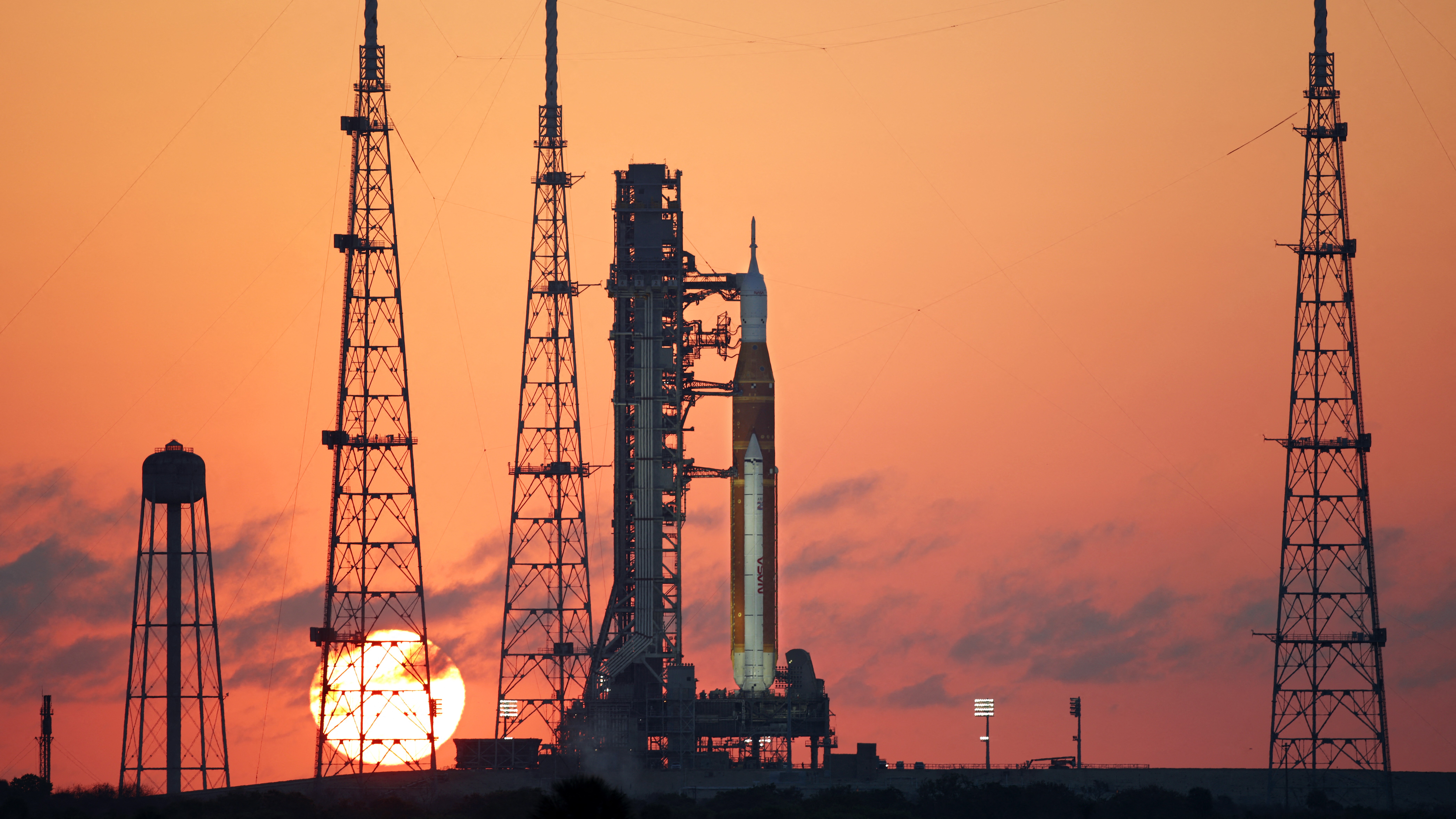
For the first time in more than half a century, human beings are preparing to travel to the vicinity of the Moon — and NASA says the moment is nearly here. The agency’s Artemis II mission, which will send a crew on a flight around the Moon aboard the Orion capsule, is sitting on its launch pad at Kennedy Space Center in Florida, and final preparations are underway ahead of a planned Wednesday liftoff.
The mission represents a landmark step in NASA’s broader Artemis program, which aims to return humans to lunar orbit and eventually to the lunar surface for the first time since the Apollo era. After years of development, delays, and a successful uncrewed test flight, the agency is now on the cusp of sending astronauts on the most ambitious crewed spaceflight NASA has attempted in decades.
Officials have signaled that anticipation is running high. As one phrase circulating from within the program captures it: “We are getting very, very close.”
What Artemis II Is and Why It Matters
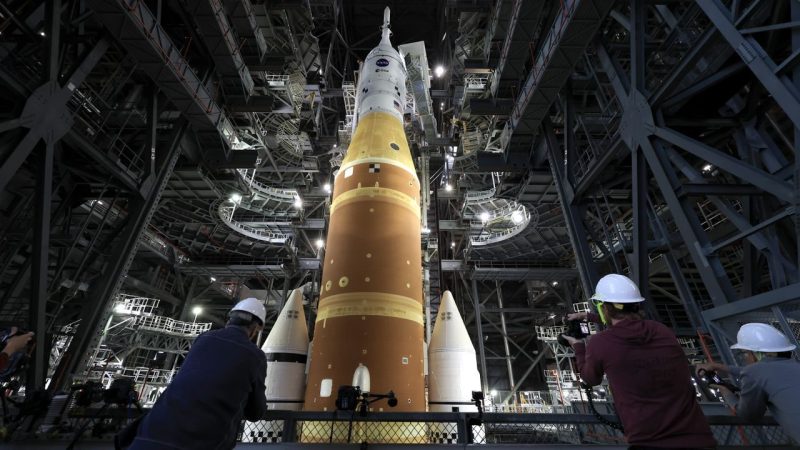
Artemis II is a crewed mission using NASA’s Space Launch System — the most powerful rocket the agency has ever built — paired with the Orion capsule, which is designed to carry astronauts beyond low Earth orbit. The mission will send its crew on a flight path around the Moon, making it the first crewed lunar flyby since the Apollo program ended in the early 1970s.
This is not a Moon landing. But it is the critical proving flight that must succeed before NASA can attempt one. The goal is to confirm that the SLS and Orion system can safely carry humans on a deep-space trajectory, test life support and navigation systems in the actual conditions of a lunar mission, and bring the crew home safely.
If Artemis II succeeds, it sets the stage for Artemis III, which is intended to actually land astronauts on the lunar surface — including, by NASA’s plans, the first woman and the first person of color to walk on the Moon.
The Final Hours Before Launch
As of the latest reporting, NASA’s Artemis II mission management team was preparing to hold a final readiness review to assess whether the Space Launch System and Orion capsule are ready to fly. That review would determine whether the mission gets the green light to proceed.
If the team confirms readiness, the launch window opens at 6:24 p.m. ET on Wednesday, with a two-hour window available for liftoff. The rocket is already at its launch pad at Kennedy Space Center in Florida, where it has been undergoing final checkouts and fueling preparations.
Launch windows for Moon missions are calculated precisely — they depend on the orbital geometry needed to place the spacecraft on the correct trajectory. Missing the window means waiting for the next available opportunity, which could be days away.
Key Mission Facts at a Glance
| Detail | Information |
|---|---|
| Mission Name | Artemis II |
| Launch Site | Kennedy Space Center, Florida |
| Launch Window Opens | 6:24 p.m. ET, Wednesday |
| Launch Window Duration | Two hours |
| Rocket | Space Launch System (SLS) |
| Spacecraft | Orion capsule |
| Mission Type | Crewed lunar flyby (not a landing) |
- The mission management team must give a final green light before the launch can proceed
- The SLS is NASA’s most powerful rocket, purpose-built for deep-space human exploration
- The Orion capsule is designed to sustain crew members on journeys beyond low Earth orbit
- Artemis II follows the uncrewed Artemis I test flight, which successfully flew around the Moon in 2022
What This Means for the People Watching
For space enthusiasts, this is the kind of moment that comes along once in a generation. The last time NASA sent humans anywhere near the Moon was Apollo 17 in December 1972. Everyone alive today who watches Wednesday’s launch — if it proceeds — will be witnessing something that hasn’t happened in over 50 years.
Beyond the historical weight, Artemis II is also a tangible demonstration that NASA’s long-delayed, over-budget, and often-criticized deep space program is finally producing results. The SLS rocket faced years of cost overruns and schedule slips. Seeing it carry a crew off the pad would mark a genuine turning point.
For the broader public, the mission is also a reminder of what human spaceflight looks like when the destination is somewhere genuinely far away — not the International Space Station in low Earth orbit, but the Moon, nearly a quarter of a million miles from Earth.
What Happens After the Launch Decision
If the mission management team approves launch during their final readiness review, teams at Kennedy Space Center will proceed with final countdown operations ahead of the Wednesday evening window. Weather and any last-minute technical issues could still affect the timeline, as is standard for any rocket launch.
Should the launch be scrubbed — postponed due to weather, a technical issue, or any other factor — NASA would assess the next available window and reschedule accordingly. The agency has built in contingency planning, as it does for all high-profile missions.
Once airborne, the Orion capsule and its crew will travel on a trajectory that takes them around the Moon before returning to Earth — a journey that will last several days and serve as the final human systems verification before NASA attempts a lunar landing on Artemis III.
Frequently Asked Questions
What is the Artemis II launch time?
The launch window opens at 6:24 p.m. ET on Wednesday, and the window remains open for two hours.
Where is Artemis II launching from?
The rocket is launching from Kennedy Space Center in Florida, where it is currently sitting on the launch pad.
Will Artemis II land on the Moon?
No. Artemis II is a crewed flyby mission — the crew will travel around the Moon but will not land on its surface.
What rocket is being used for Artemis II?
NASA is using its Space Launch System (SLS) rocket, paired with the Orion capsule designed to carry astronauts on deep-space missions.
What happens if the launch is postponed?
If the mission management team does not give the green light, or if technical or weather issues arise, NASA would evaluate the next available launch window and reschedule the mission.
Has NASA sent humans to the Moon recently?
No. The last crewed lunar mission was Apollo 17 in 1972, making Artemis II the first crewed flight to the vicinity of the Moon in more than 50 years.



Leave a Reply