
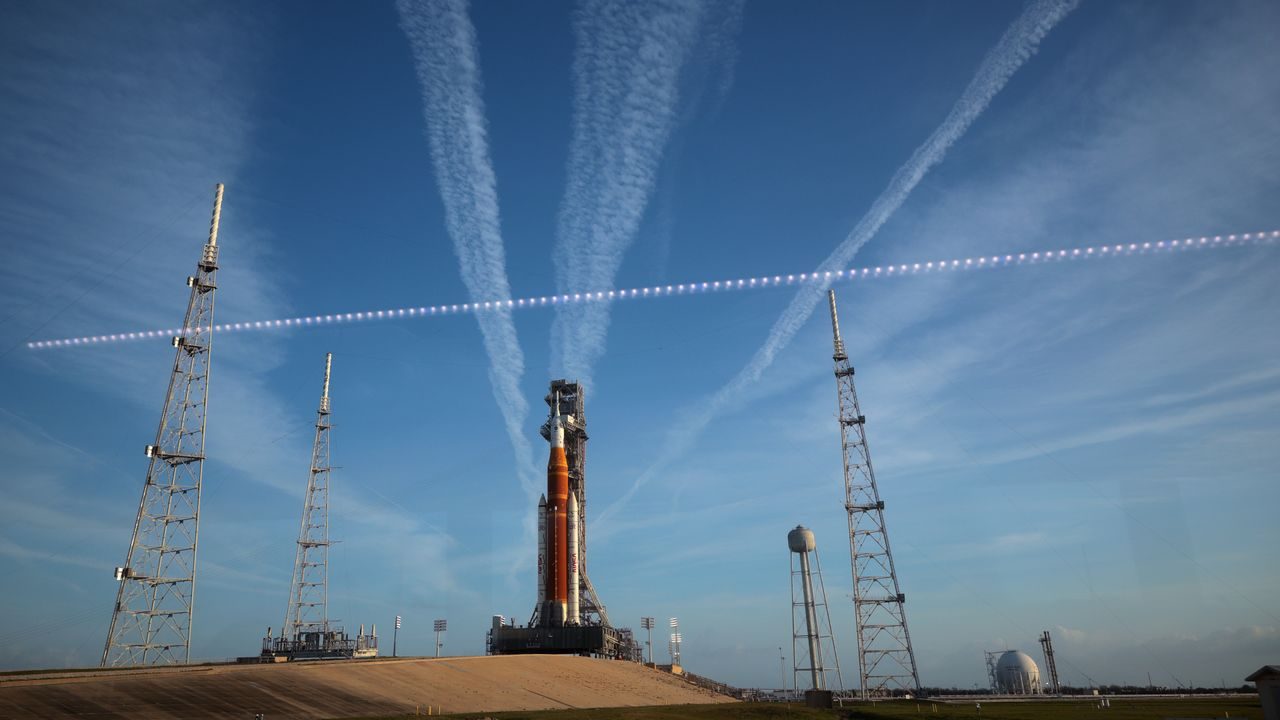
An 80% chance of favorable launch conditions — that’s the forecast NASA’s launch weather officer delivered at a prelaunch news conference on Tuesday, March 31, as the agency prepared to send four astronauts around the Moon for the first time in more than 50 years.
NASA’s Artemis II mission is targeting an April 1 launch from Kennedy Space Center in Florida, and by almost every measure heading into launch day, the agency is signaling confidence. The vehicle is ready. The team is ready. And the weather, at least for now, is cooperating.
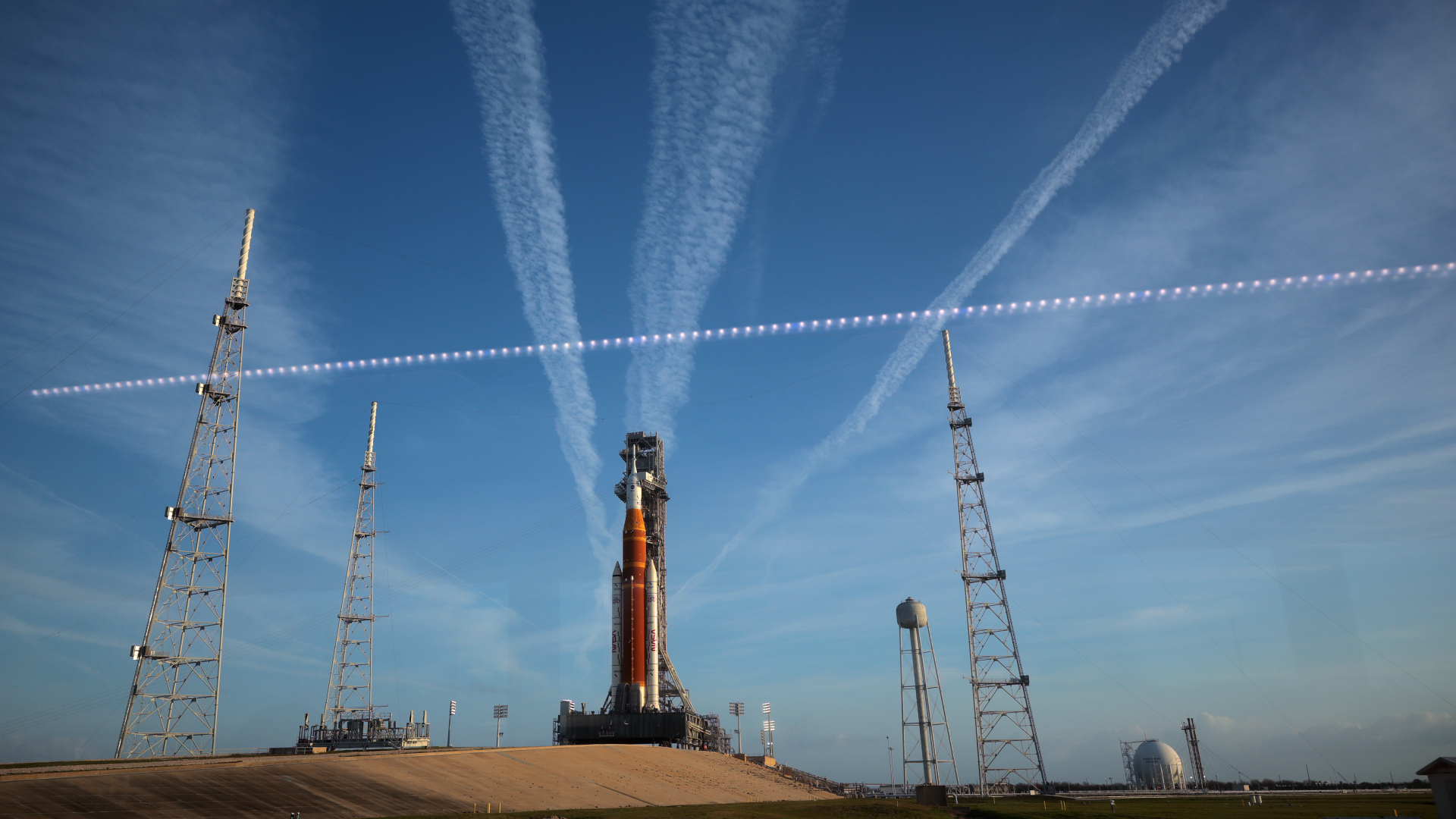
For anyone who has followed the long and complicated road to get humanity back to lunar orbit, this moment carries real weight. Artemis II isn’t a Moon landing — but it is the first crewed flight of the Space Launch System and Orion spacecraft, and the first time astronauts will travel beyond low Earth orbit since Apollo 17 in 1972.
What NASA Said at the Prelaunch Briefing
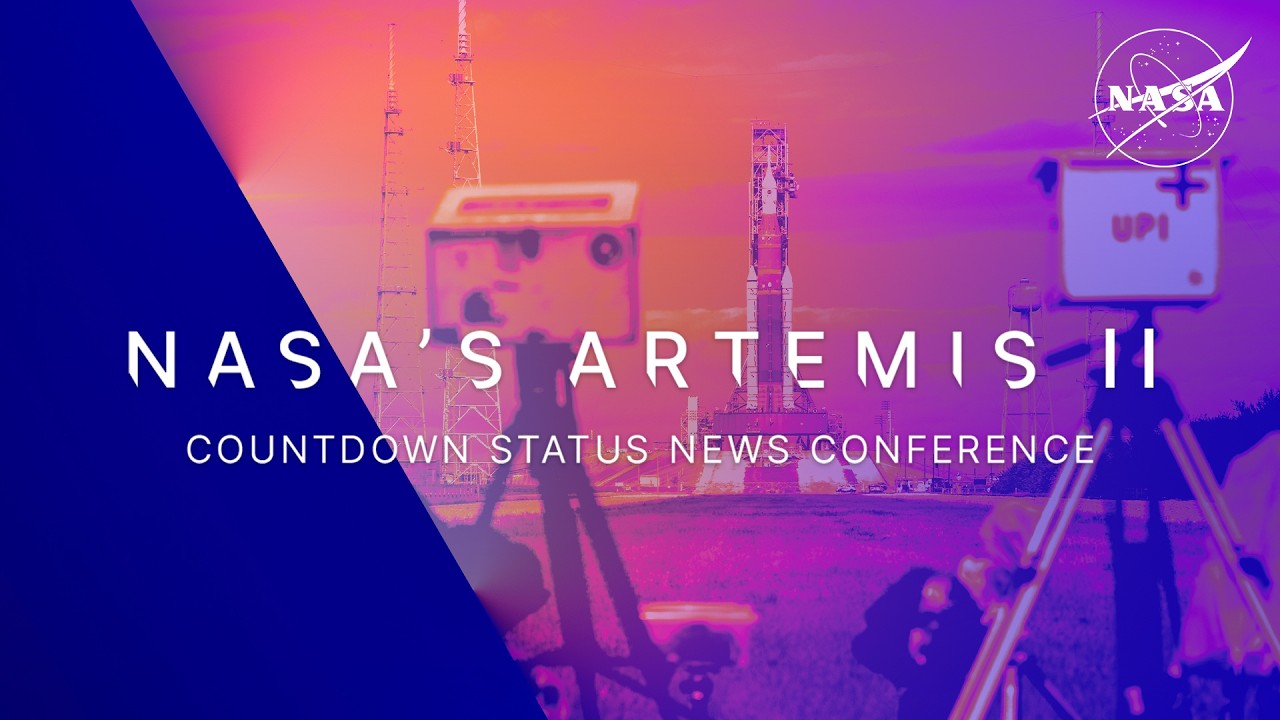
The prelaunch news conference was held at Kennedy Space Center on Tuesday, the day before the planned liftoff. NASA managers used the briefing to walk through the state of the mission and address any outstanding concerns before committing to the launch window.
The headline number was the 80% probability of acceptable weather, delivered by the mission’s launch weather officer. That figure represents a strong green light from a meteorological standpoint — launch teams generally consider anything above 60% to be favorable heading into a final countdown.
Beyond the weather, NASA managers emphasized that both the rocket and the crew support systems are in good shape, with no major last-minute technical concerns flagged at the briefing. Officials noted that the vehicle and the team are ready to fly.
The briefing also covered what were described as the two biggest possible concerns going into launch day — though Based on the overall tone of the conference, neither appears to have been considered a serious threat to the April 1 target.
Key Mission Facts: What Artemis II Actually Is
Before the launch window opens, it helps to understand exactly what this mission involves — and what it doesn’t.
- Artemis II is a crewed lunar flyby, not a Moon landing
- It will be the first crewed flight of NASA’s Space Launch System (SLS) rocket
- The mission uses the Orion spacecraft to carry astronauts beyond low Earth orbit
- The launch is scheduled from Kennedy Space Center’s launchpad 39B in Florida
- The prelaunch conference was held on March 31, the day before the planned April 1 liftoff
- Weather probability of launch conditions being acceptable: 80%
| Detail | Status |
|---|---|
| Planned Launch Date | April 1 |
| Launch Site | Kennedy Space Center, Launchpad 39B, Florida |
| Weather Forecast (Go Probability) | 80% favorable |
| Vehicle Readiness | Ready to fly, per NASA managers |
| Team Readiness | Ready to fly, per NASA managers |
| Major Technical Concerns | None flagged at prelaunch briefing |
| Mission Type | Crewed lunar flyby (not a landing) |
Why This Launch Matters Beyond the Numbers
An 80% weather forecast might sound like a routine update, but for Artemis II, the stakes are anything but routine. This is the mission that will determine whether NASA can reliably put humans into deep space on its own hardware — and whether the Orion capsule performs as expected when real lives are aboard.
The uncrewed Artemis I mission flew in late 2022 and successfully completed a lunar orbit before returning to Earth. Artemis II takes that same architecture and adds four crew members, turning a test flight into a genuine human spaceflight milestone.
For the broader Artemis program — which ultimately aims to return astronauts to the lunar surface — a successful Artemis II is a critical stepping stone. A smooth launch and mission would set the stage for Artemis III, which is designed to include an actual Moon landing.
The fact that NASA managers arrived at Tuesday’s briefing with no major technical concerns on the table is itself a significant signal. Past Artemis launch attempts were scrubbed multiple times due to technical issues, so a clean run to the pad is noteworthy.
What Happens After Launch Day
If the April 1 launch proceeds as planned, Artemis II will send its crew on a trajectory around the Moon before returning to Earth — a mission profile designed to validate the deep-space systems that future lunar landing crews will depend on.
Officials have noted that the current conditions do not point to any last-minute concerns that would force a delay, though launch teams will continue monitoring both technical systems and weather conditions through the final countdown hours.
Should weather or any technical factor push the mission off April 1, NASA would evaluate backup launch opportunities. No specific backup dates were confirmed in the prelaunch briefing materials available for this report.
For space watchers and the general public, the April 1 launch window represents the culmination of years of development, testing, and — at times — frustrating delays. Whatever happens next, the Artemis program has reached the moment it has been building toward since the program was formally announced.
Frequently Asked Questions
When is the Artemis II launch scheduled?
NASA has targeted April 1 for the Artemis II launch from Kennedy Space Center in Florida.
What is the weather forecast for the Artemis II launch?
NASA’s launch weather officer announced an 80% probability of acceptable launch weather conditions at the March 31 prelaunch briefing.
Where is Artemis II launching from?
The mission is launching from Launchpad 39B at Kennedy Space Center in Florida.
Are there any technical problems that could delay the launch?
NASA managers stated at the prelaunch briefing that no major last-minute technical concerns had been identified, and that both the vehicle and team are ready to fly.
Is Artemis II going to land on the Moon?
No — Artemis II is a crewed lunar flyby mission, not a Moon landing. It is designed to send astronauts around the Moon and return them safely to Earth.
What comes after Artemis II?
Artemis III is the mission currently planned to include an actual lunar landing, though a specific launch date for that mission has not been confirmed in the available source material.



Leave a Reply