
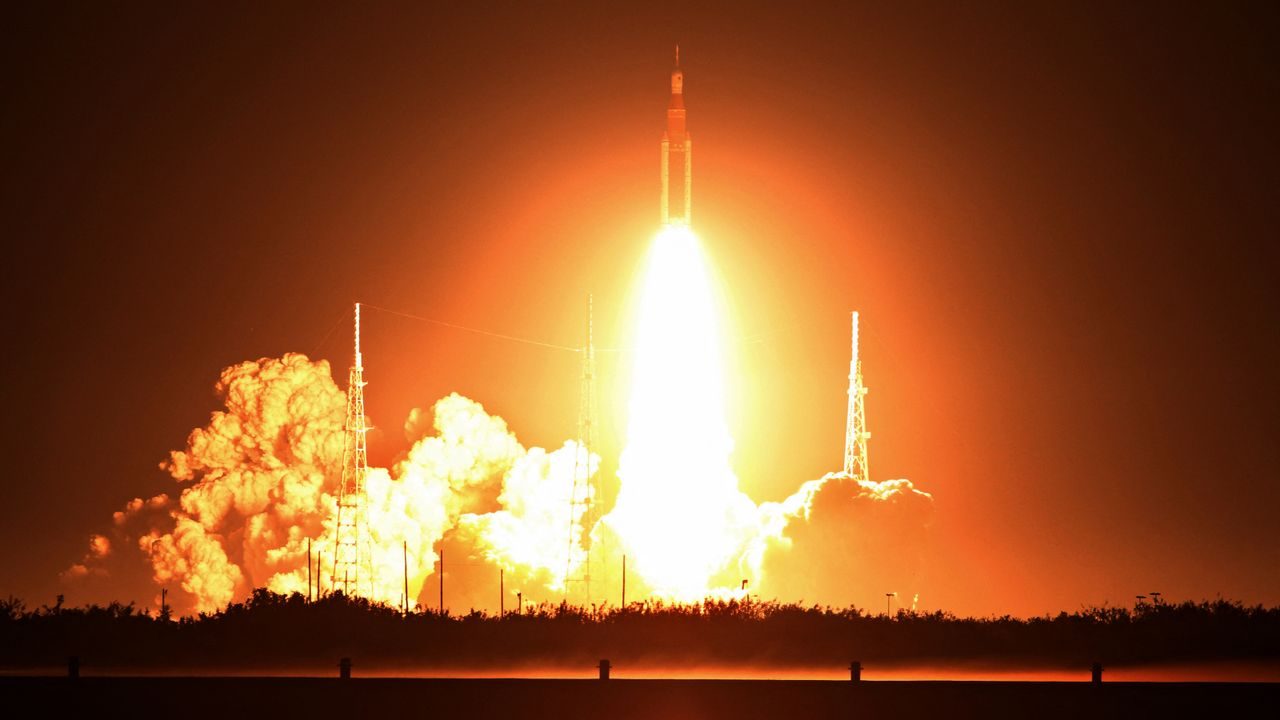
For the first time in more than five decades, human beings are preparing to travel to the lunar environment — and this time, the goal is not just to visit, but to eventually stay. NASA’s Artemis II mission is set to send four astronauts on a path around the Moon, marking the most significant crewed spaceflight milestone since Apollo 17 touched down in December 1972.
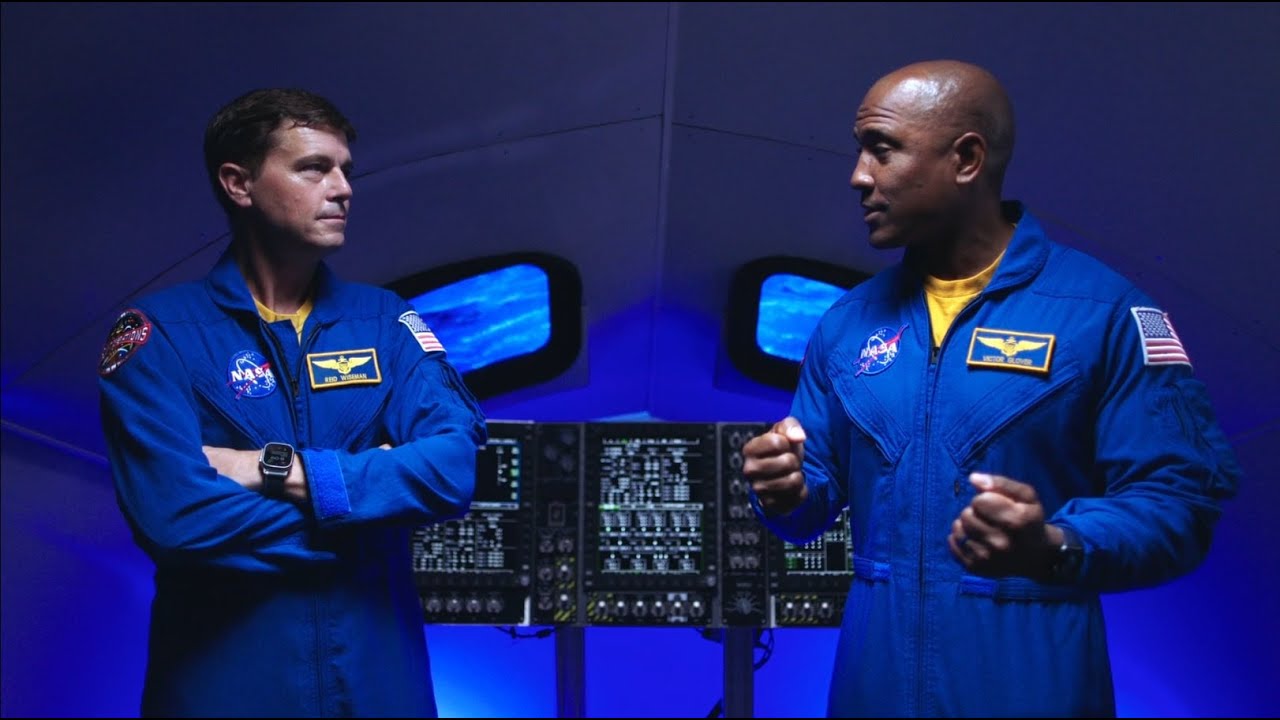
The mission’s crew is already historic before the rocket even leaves the ground. Commander Reid Wiseman, pilot Victor Glover, mission specialist Christina Koch, and mission specialist Jeremy Hansen represent a record-breaking team — one that will carry the weight of humanity’s renewed ambitions for deep space exploration on their shoulders.
The launch is scheduled from Launch Pad 39B at Kennedy Space Center in Florida, the same storied launch complex that supported the Space Shuttle program and sent Artemis I on its uncrewed lunar flyby. What happens between liftoff and splashdown will shape the future of human spaceflight for generations.
Why Artemis II Is a Turning Point for Human Space Exploration
The Artemis program has faced years of delays, cost overruns, and technical setbacks — frustrations that tested public patience and congressional support alike. But Artemis II represents the program finally arriving at its central promise: putting people back in the vicinity of the Moon.
Unlike the Apollo missions, which were defined by a Cold War race to plant a flag, Artemis is built around a longer-term vision. NASA’s stated ambition is to establish humanity’s first permanent lunar base — a foothold that could eventually support science, resource extraction, and even serve as a staging point for missions to Mars.
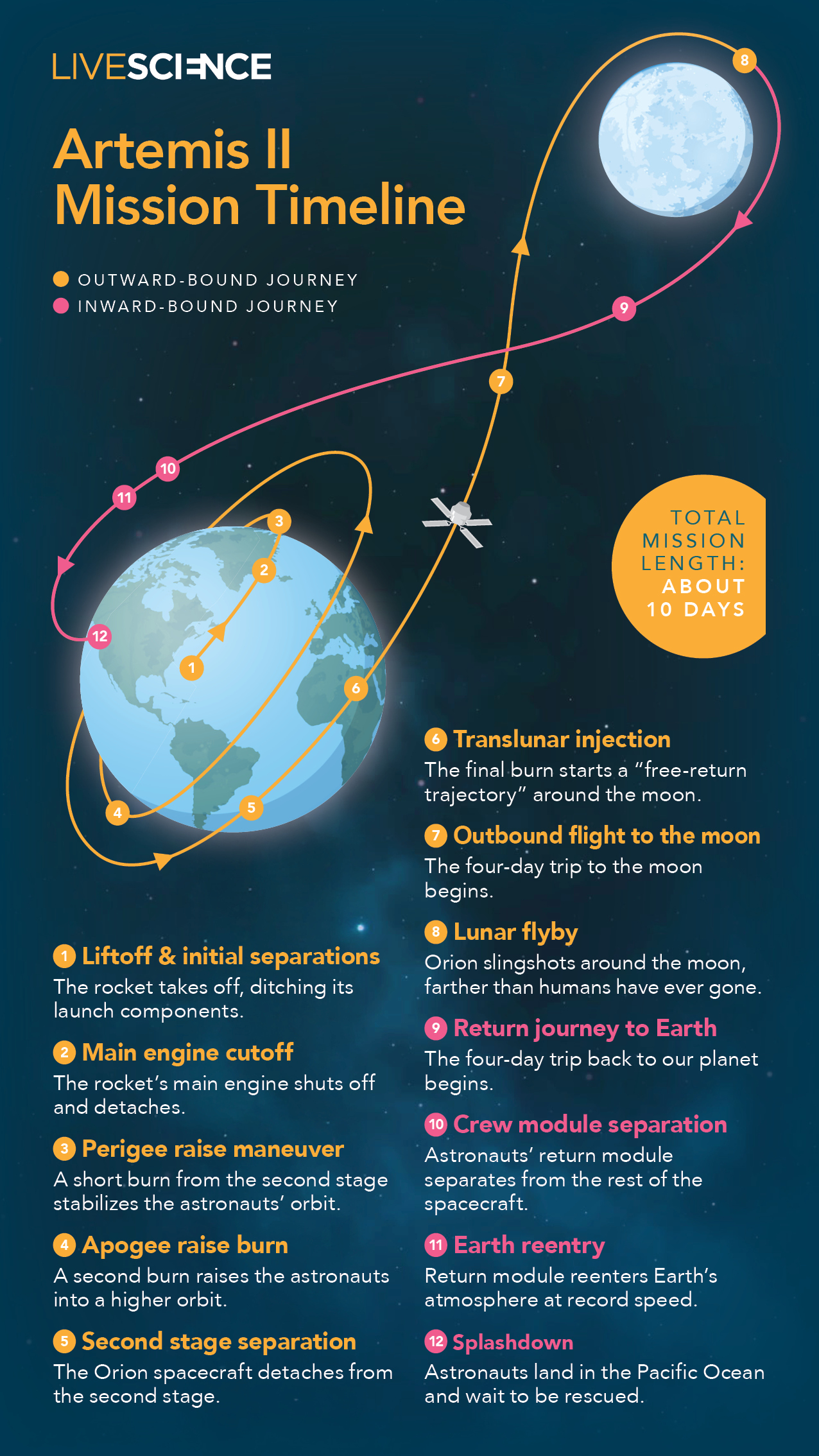
Artemis II itself will not land on the Moon. Instead, it is a crewed test of the full Orion spacecraft and Space Launch System (SLS) stack under real deep-space conditions, with human lives on board. Every system that worked on the uncrewed Artemis I mission now has to work again — with four astronauts depending on it.
The Artemis II Crew: Who Is Making This Journey
The four people selected for this mission bring a breadth of experience that reflects both NASA’s operational priorities and its commitment to expanding who gets to explore space.
- Reid Wiseman (Commander) — A U.S. Navy test pilot and NASA astronaut who previously served aboard the International Space Station.
- Victor Glover (Pilot) — A U.S. Navy pilot and the first Black astronaut assigned to a long-duration ISS mission, Glover brings deep operational experience to the pilot seat.
- Christina Koch (Mission Specialist) — Koch holds the record for the longest single spaceflight by a woman and was part of the first all-female spacewalk.
- Jeremy Hansen (Mission Specialist) — A Canadian Space Agency astronaut, Hansen will become the first Canadian to travel to lunar distance — a milestone for international partnership in space exploration.
Together, they form what NASA has described as a record-breaking crew, one whose backgrounds span military aviation, long-duration spaceflight, and international collaboration.
Key Mission Facts at a Glance
| Detail | Information |
|---|---|
| Mission Name | Artemis II |
| Launch Site | Launch Pad 39B, Kennedy Space Center, Florida |
| Commander | Reid Wiseman |
| Pilot | Victor Glover |
| Mission Specialists | Christina Koch, Jeremy Hansen |
| Last Crewed Lunar Mission | Apollo 17, December 1972 |
| Mission Type | Crewed lunar flyby (no landing) |
| Broader Program Goal | Establish humanity’s first permanent lunar base |
What This Mission Means for Everyone Watching
It is easy to view a mission like this as something distant — a spectacle for scientists and space enthusiasts. But the implications of Artemis II ripple outward in ways that matter beyond the aerospace community.
The technologies being tested on this mission — life support systems, deep-space navigation, radiation shielding, and reentry protocols — are foundational to every crewed mission that follows. If Artemis II succeeds, it clears the path for Artemis III, which is planned to actually land astronauts on the lunar surface, including the first woman and first person of color to walk on the Moon.
There is also a geopolitical dimension that should not be overlooked. As China advances its own lunar ambitions with a stated goal of crewed Moon missions in the coming decade, the United States and its international partners — including Canada, Europe, Japan, and Australia — are racing to establish a sustained presence on and around the Moon first.
Jeremy Hansen’s inclusion as a Canadian astronaut is a direct reflection of how this mission is designed to be a shared human achievement, not a purely American one.
What Comes After Artemis II
Artemis II is not the destination — it is the on-ramp. The mission is designed to validate the Orion spacecraft and SLS rocket for crewed deep-space travel, paving the way for increasingly complex missions that follow.
NASA’s roadmap envisions Artemis III as the first lunar landing under the program, with astronauts touching down near the Moon’s south pole — a region believed to contain water ice that could support long-term habitation and fuel production.
Beyond that, the agency’s longer-term plans include the Lunar Gateway, a small space station intended to orbit the Moon and serve as a hub for surface expeditions. If those plans hold, Artemis II will one day be remembered as the mission that made all of it possible — the first step back toward a world where humans live and work beyond Earth.
For now, the world watches Launch Pad 39B.
Frequently Asked Questions
When is the Artemis II launch scheduled?
The mission is scheduled to lift off from Launch Pad 39B at Kennedy Space Center in Florida, though a specific confirmed launch date was not included in the available source material at the time of publication.
Will Artemis II land on the Moon?
No. Artemis II is a crewed lunar flyby mission, meaning the astronauts will travel to the lunar environment but will not land on the surface.
Who are the Artemis II astronauts?
The crew consists of Commander Reid Wiseman, Pilot Victor Glover, and Mission Specialists Christina Koch and Jeremy Hansen.
Why is Jeremy Hansen significant to this mission?
Jeremy Hansen, a Canadian Space Agency astronaut, is expected to become the first Canadian to travel to lunar distance, marking a milestone for international space exploration partnerships.
What is the broader goal of the Artemis program?
NASA’s Artemis program is aimed at building humanity’s first permanent lunar base, with longer-term ambitions that could include using the Moon as a stepping stone for future Mars missions.
When was the last time humans traveled to the Moon?
The last crewed lunar mission was Apollo 17, which launched in December 1972 — making Artemis II the first time astronauts have traveled to the lunar environment in over 50 years.




Leave a Reply