
Lunar soil contains roughly 45% oxygen by mass — but none of it is breathable. It’s all chemically locked inside minerals, sitting beneath astronauts’ boots as dust, completely inaccessible without the right technology. NASA may now be closer than ever to unlocking it.
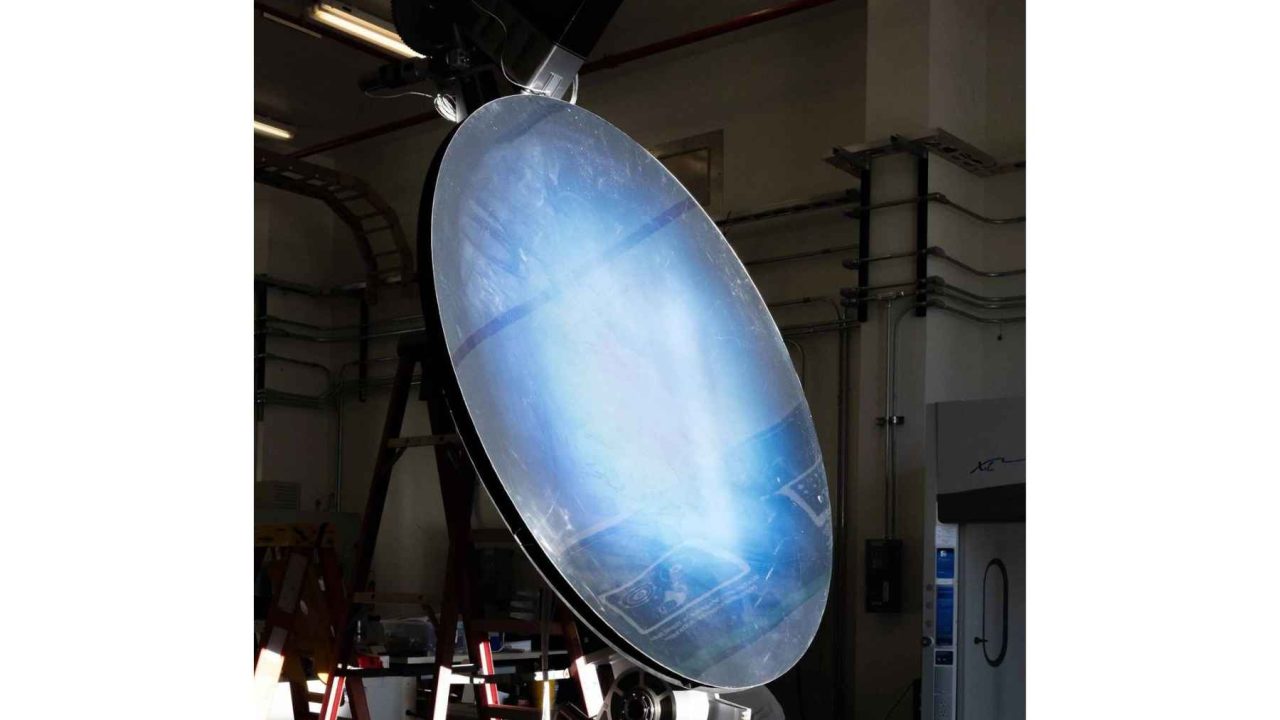
The space agency recently completed a significant integrated test of its Carbothermal Reduction Demonstration, known as CaRD, which used concentrated sunlight to drive chemical reactions in simulated lunar soil. The test successfully joined mirrors, software, and a reactor into one working chain — a meaningful step toward extracting usable oxygen directly from the Moon’s surface.
This wasn’t yet a machine producing breathable air on the lunar surface. But it was a full systems demonstration, and that distinction matters enormously for the future of long-duration space exploration.
Why the Dust Beneath Astronauts’ Feet Could Change Everything
The Moon is covered in lunar regolith — a fine, dusty layer of broken rock and mineral particles that coats the entire surface. For decades, scientists have known this material is rich in oxygen. The challenge has never been finding the resource; it’s been freeing it.
Because the oxygen in lunar regolith is chemically bound inside minerals, it cannot simply be collected and pumped into a tank. Releasing it requires heat, chemistry, and the right technology working together. That’s exactly what the CaRD experiment is designed to provide.
The process NASA is testing is called carbothermal reduction — a method that uses intense heat to break the chemical bonds holding oxygen inside the soil. By concentrating sunlight as the heat source, the system could theoretically operate on the Moon using energy that’s freely available, without requiring large quantities of fuel or power shipped from Earth.
What the CaRD Experiment Actually Did
The recent test was not a single isolated component check. According to NASA, it was a full integrated systems test — meaning mirrors, control software, and the reactor itself were all connected and operating together as one unit. That kind of end-to-end validation is a critical milestone in moving from concept to deployable hardware.
The test used simulated lunar soil, not actual material from the Moon’s surface. But the chemistry being tested reflects what scientists expect to find when working with real regolith. The goal is to demonstrate that concentrated solar energy can reliably drive the reactions needed to release trapped oxygen at scale.
Officials have noted that results like this make the concept of “living off the land” beyond Earth considerably more believable — not just as a theoretical possibility, but as an engineering pathway with demonstrated, working components.
The Real Cost Problem This Technology Is Trying to Solve
To understand why this matters, consider what it currently takes to keep astronauts alive in space. Every breath of oxygen, every drop of fuel, every consumable supply must be launched from Earth — and getting anything off the planet is extraordinarily expensive.
For short missions, that cost is manageable. For long-duration stays on the Moon — the kind envisioned under NASA’s Artemis program and future deep-space exploration — the math becomes brutal. The more a mission can rely on local resources rather than resupply shipments, the more practical and affordable extended lunar presence becomes.
| Resource | Current Source | Potential Lunar Source |
|---|---|---|
| Breathable oxygen | Launched from Earth | Extracted from lunar regolith |
| Rocket propellant (oxygen component) | Launched from Earth | Potentially derived from regolith |
| Heat energy for processing | Chemical fuel or nuclear systems | Concentrated sunlight (CaRD approach) |
| Raw material feedstock | N/A (consumables shipped) | Lunar surface regolith (~45% oxygen by mass) |
The CaRD system targets one of the most critical items on that list: oxygen. If future versions of this technology can produce breathable air and oxidizer for fuel from surface soil, the dependency on Earth resupply drops significantly.
What This Means for Future Astronauts — and Future Missions
The practical implications of a working oxygen-extraction system on the Moon are hard to overstate. Astronauts on extended missions could potentially refill their oxygen supplies using equipment already on the surface, rather than waiting for delivery from Earth. That changes mission planning, risk calculations, and the economics of deep-space exploration in fundamental ways.
It also opens a longer-term possibility: using lunar oxygen as rocket propellant. A significant portion of any rocket’s mass is oxidizer — the oxygen needed to combust fuel. If that oxidizer can be produced locally on the Moon rather than launched from Earth, the cost and complexity of return missions or onward journeys to Mars could be substantially reduced.
Supporters of in-situ resource utilization — the technical term for using local planetary materials — argue that technologies like CaRD are not optional extras for future space programs. They are foundational requirements for any mission that expects humans to live and work beyond Earth for more than a few weeks.
Where This Technology Goes From Here
The CaRD test represents a systems-level milestone, not a finished product. The next phases of development would involve refining the technology, improving efficiency, and eventually testing it in conditions that more closely replicate the actual lunar environment — including the temperature extremes, vacuum conditions, and real regolith that astronauts would encounter.
NASA has not confirmed a specific timeline for deploying this technology on the Moon, and the path from laboratory demonstration to operational lunar hardware involves many additional steps. But the successful integration of the mirror, software, and reactor components into a single working system is precisely the kind of result that moves a concept from promising to credible.
The Moon’s surface has been waiting billions of years. The oxygen was always there. The question was always whether humans could find a practical way to use it — and that answer is getting clearer.
Frequently Asked Questions
What is the CaRD experiment?
CaRD stands for Carbothermal Reduction Demonstration. It is a NASA experiment that uses concentrated sunlight to drive chemical reactions in simulated lunar soil, with the goal of extracting oxygen locked inside the material.
How much oxygen does lunar soil actually contain?
Lunar regolith contains approximately 45% oxygen by mass, but it is chemically bound inside minerals and cannot be used directly without processing.
Did NASA’s test actually produce oxygen on the Moon?
No. The recent test was conducted using simulated lunar soil, not on the Moon itself. It was a full integrated systems test combining mirrors, software, and a reactor, but it was not yet producing breathable oxygen in a lunar environment.
Why does this matter for long-duration Moon missions?
Every supply of oxygen currently used in space must be launched from Earth at significant cost. A system that extracts oxygen from lunar soil could dramatically reduce how much astronauts need to rely on Earth resupply shipments.
Could this technology also help produce rocket fuel?
Oxygen is a key component of rocket propellant. If lunar regolith can reliably supply oxygen, it could potentially be used not just for breathing but also as oxidizer for fuel, reducing the cost of return or onward missions.
When will this technology be ready to use on the Moon?
NASA has not confirmed a specific deployment timeline. The recent test was a significant milestone, but moving from laboratory demonstration to operational lunar hardware involves additional development and testing steps that have not yet been detailed.



Leave a Reply