

Every night, thousands of automated cameras around the world are pointed at the sky, silently watching for streaks of light. The scientists monitoring those cameras are piecing together a picture of our solar system that most people never think about — and one of them has just found something brand new.

A researcher who studies meteors has identified a previously unknown meteor shower, and its origin story is unlike most others. Instead of coming from a comet leaving a trail of ice and dust, this shower appears to trace back to an asteroid being slowly cooked apart by the sun’s intense heat. It’s a reminder that the sky overhead is far more active — and far stranger — than your average news alert about a “washing machine-sized rock” skimming past Earth would suggest.
While headlines tend to fixate on large asteroids that could theoretically cause catastrophic damage, the small dust and rubble that enter our atmosphere on a daily basis tell an equally compelling story about how our solar system works. This newly discovered shower is part of that story.
What Is a Meteor Shower — and Where Do They Usually Come From?
Most people know meteor showers as those reliable annual events — the Perseids in August, the Leonids in November — where the night sky puts on a show. But the mechanics behind them are worth understanding, because this new discovery breaks the usual pattern.
Typically, meteor showers happen when Earth passes through a trail of debris left behind by a comet. As a comet travels close to the sun, solar heat causes its icy surface to vaporize, releasing dust and rock fragments that spread along its orbital path. When Earth crosses that path, those particles slam into our atmosphere at high speed, burning up as bright streaks of light.
Asteroids, by contrast, are rocky bodies without the same icy composition. They don’t usually shed material the same way comets do. That’s what makes the source of this newly identified shower so scientifically interesting — an asteroid apparently breaking down under intense solar heating, releasing debris that can reach Earth.
How Scientists Find New Meteor Showers
The discovery didn’t come from a single lucky observation. It’s the product of a global network of automated cameras — thousands of them — scanning the sky every night and photographing every meteor they detect. Scientists then analyze that data, looking for meteors that share the same trajectory, which would indicate they came from the same source.
When multiple meteors appear to radiate from the same point in the sky and follow similar paths, that’s the signature of a shower. The challenge is separating genuine shower meteors from the constant background noise of random space debris hitting the atmosphere at all angles.
Researchers note that the small particles entering the atmosphere daily — not the dramatic near-miss asteroids that trigger phone notifications — are where much of the real scientific detail lives. Each one is a sample of the solar system’s history, and a new shower means a new data source to study.
The Asteroid Behind the New Meteor Shower
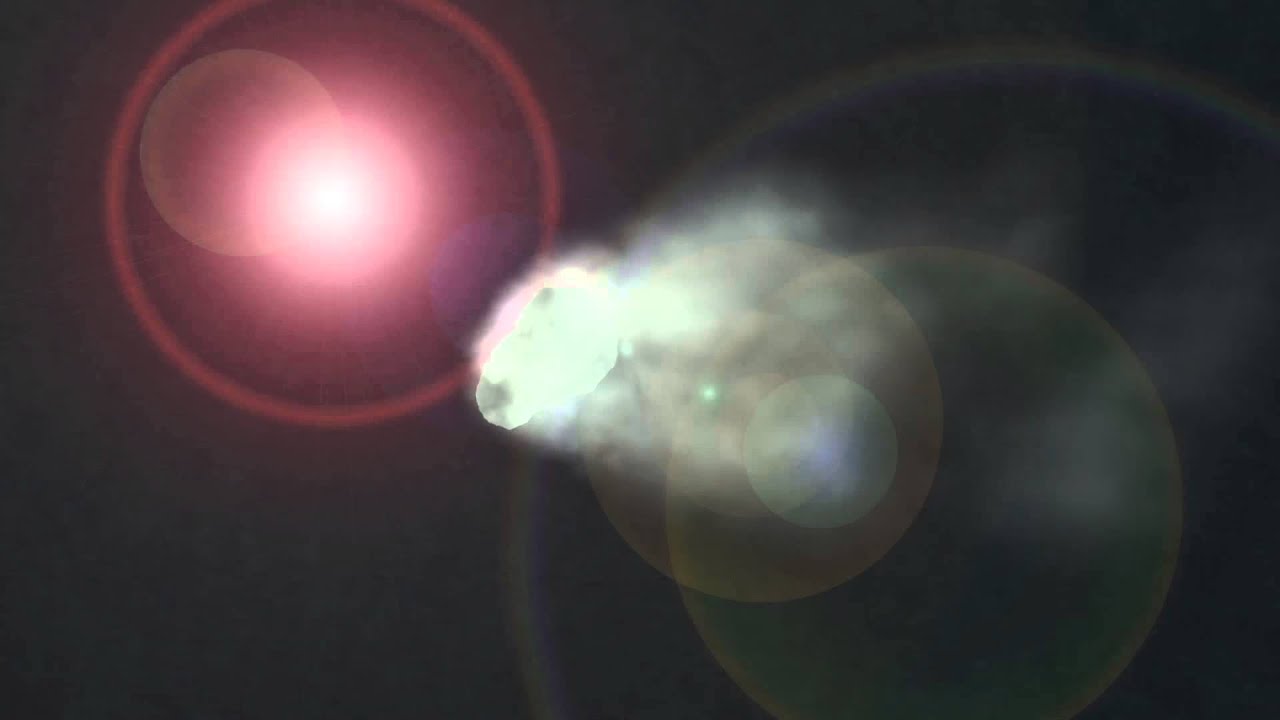
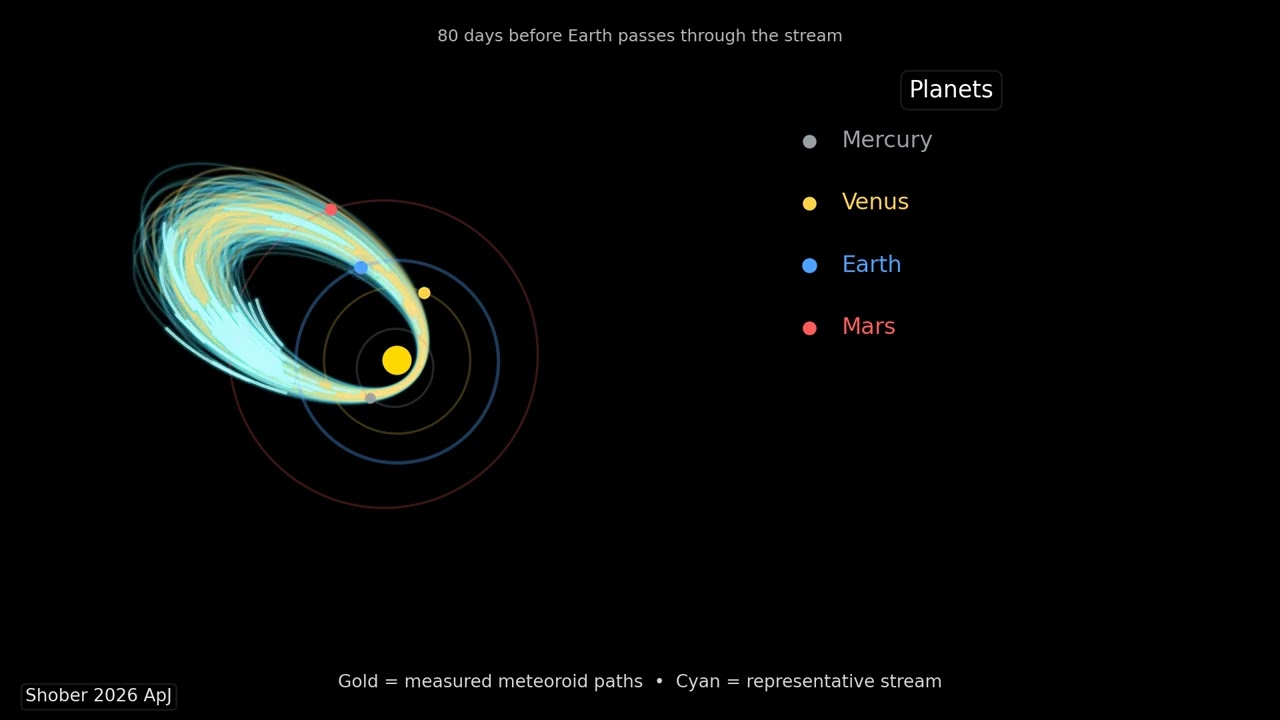
What sets this discovery apart is the proposed mechanism: solar baking. An asteroid that passes close enough to the sun can experience extreme thermal stress. The surface heats up dramatically, expands, and cracks. Over time, material fractures off. Repeated close approaches can gradually break an asteroid apart, releasing debris into space that then spreads along its orbital path — much like a comet’s tail, but driven by heat and mechanical stress rather than sublimating ice.
If Earth’s orbit intersects with that debris field, the result is a meteor shower. That appears to be exactly what’s happening here.
This process — sometimes called thermal disintegration or thermally-driven mass loss — is an area of growing interest in planetary science. It suggests that the boundary between asteroid and comet behavior is blurrier than once thought, and that the sun’s heat alone can be enough to turn a solid rocky body into a source of shooting stars.
Why This Discovery Matters Beyond the Pretty Lights
Finding a new meteor shower isn’t just a win for stargazers. Each confirmed shower adds to our understanding of what’s orbiting the sun alongside us, and how the solar system’s smaller bodies behave over long timescales.
| Feature | Typical Comet-Sourced Shower | This New Asteroid-Sourced Shower |
|---|---|---|
| Primary source body | Comet | Asteroid |
| Debris release mechanism | Ice sublimation near the sun | Thermal stress and fragmentation |
| Source body composition | Ice, dust, and rock | Primarily rocky |
| How common | Most known showers | Rare and newly documented |
| Scientific significance | Well-studied | Opens new area of research |
Knowing that asteroids can shed debris through solar heating also has practical implications for planetary defense research. If an asteroid’s orbit brings it close to the sun repeatedly, it may be slowly disintegrating — which changes how scientists would model its future behavior and potential risk.
What Comes Next for This Research
The global network of meteor cameras continues to collect data every clear night. As more observations accumulate, researchers will be able to refine their understanding of this shower’s characteristics — its peak dates, the typical brightness of its meteors, and the precise orbital path of the asteroid responsible.
Confirming a new shower takes time. The scientific community requires consistent, repeatable observations across multiple years before a shower is formally recognized and added to the official catalog. That process is now underway for this discovery.
For amateur astronomers and casual stargazers, the practical takeaway is simple: the sky is still giving up secrets. Even with centuries of observation behind us, there are still new things to find — sometimes by just pointing a camera upward and waiting.
Frequently Asked Questions
What is the new meteor shower and where does it come from?
A researcher has identified a previously unknown meteor shower that appears to originate from an asteroid being broken apart by the sun’s heat, rather than from a comet as most showers are.
How do scientists discover new meteor showers?
Thousands of automated cameras worldwide photograph meteors every night, and scientists analyze the data to find groups of meteors sharing the same trajectory — a sign they came from the same source.
Can asteroids really produce meteor showers?
Yes, though it’s rare. In this case, intense solar heating is believed to cause the asteroid to crack and shed debris over time, spreading material along its orbital path in a way similar to how comets behave.
When can I see this new meteor shower?
Specific peak dates for the shower have not yet been confirmed in the available reporting; researchers are still gathering and analyzing observational data.
Does this asteroid pose any danger to Earth?
Why don’t we hear more about meteor science in the news?
Media coverage tends to focus on larger near-Earth objects, but researchers note that the small dust and rubble entering our atmosphere daily provide equally valuable information about the solar system’s history and composition.




Leave a Reply